Hantavirus hit the MV Hondius cruise ship. It started in Argentina. Now officials are pointing fingers. A Dutch couple died. They birded at a Ushuaia landfill first. The press says they got the bug there. It sounds dramatic. It doesn’t add up.
Let’s look at the facts. Eleven people got sick. Nine were confirmed cases. Three are dead. The Dutch man and wife were the index cases. The man, seventy, got sick on April 6. He died April 11. The wife, sixty-nine, showed symptoms April 24. She died April 26 in Johannesburg. She was trying to get home.
Hantavirus comes from rats. Or their poop. Usually indoors. Attics. Barns. Gene Hackman died this way in New Mexico last year. But the Andes virus type? Different beast. It’s from the pygmy rice rat in Chile and Argentina. And it’s the only kind that spreads from human to human.
“The landfill is one of several possible environments…”
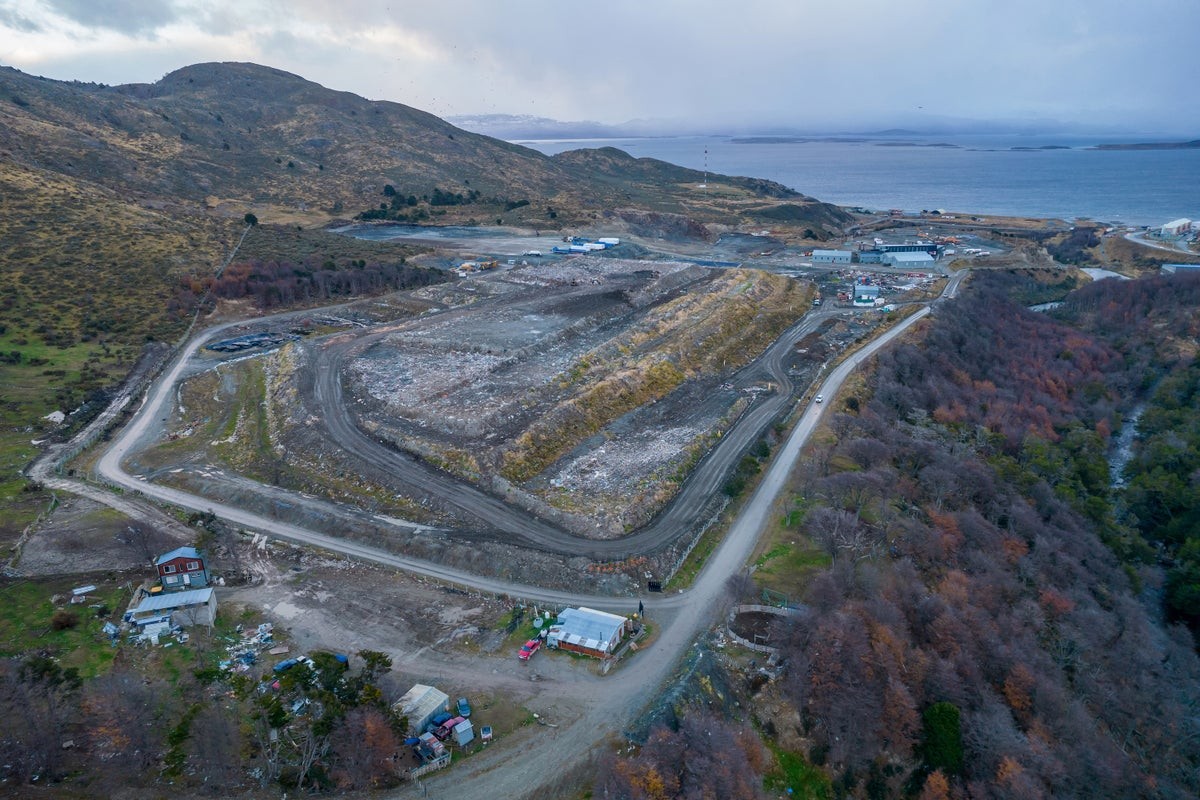
So here’s the theory. The couple toured the Southern Cone starting November. Argentina. Chile. Uruguay. Ushuaia. Then the cruise on April 1. Government guys say the couple went birding at the relleno sanitario. Saw rats. Got infected. Easy narrative. Clean. Simple. Wrong.
I was there in February 2023. Birded that same spot. It’s a hotspot for vultures and eagles. Condors fly in for the scraps. But the landfill? Fenced. You watch from the road. You don’t walk through trash. You stand on asphalt. Wind blows. Sun beats.
Hantavirus needs dust. Stagnant air. You sneeze a cloud of dried fecal matter. Open air destroys the virus fast. Jennifer Mullinax, a wildlife ecologist, put it bluntly. Rain and wind dilute it. Outbreaks outside are rare. They need disturbed soil or nests. Not standing on a street.
Juan Petrina, epidemiologist for Tierra del Fuego, agrees. Ushuaia has never recorded a case. No rodents here match the profile well enough. “Greatly reduces the likelihood,” he said.
Luis E. Escobar at Virginia Tech sees it differently too. The incubation period is wild. Four to forty-two days. That window opens the door wide. They visited Chile in January. Mendoza. Neuquén. Places with actual virus reservoirs. Why focus on March 27? The landfill was just the last stop before the ship.
Did they log their trip? Maybe. eBird lists sightings by name. Some reports say the husband uploaded checklists. If he did, the trail might lead north. Or west. It’s messy.
Science might not give us a single pin on the map anyway. Colleen Jonsson, a virologist, notes rodent viruses look alike across big areas. Sequencing helps narrow the region. It doesn’t give you a zip code.
Worse, asymptomatic cases exist. The couple might not have been first. Maybe someone else brought it onboard. Maybe earlier. The origin becomes fuzzy. Unfixable.
On May 14 a local guide named Esteban checked the dump. Same old view. No panic. Just birds eating.
Life goes on at the edge of the world.