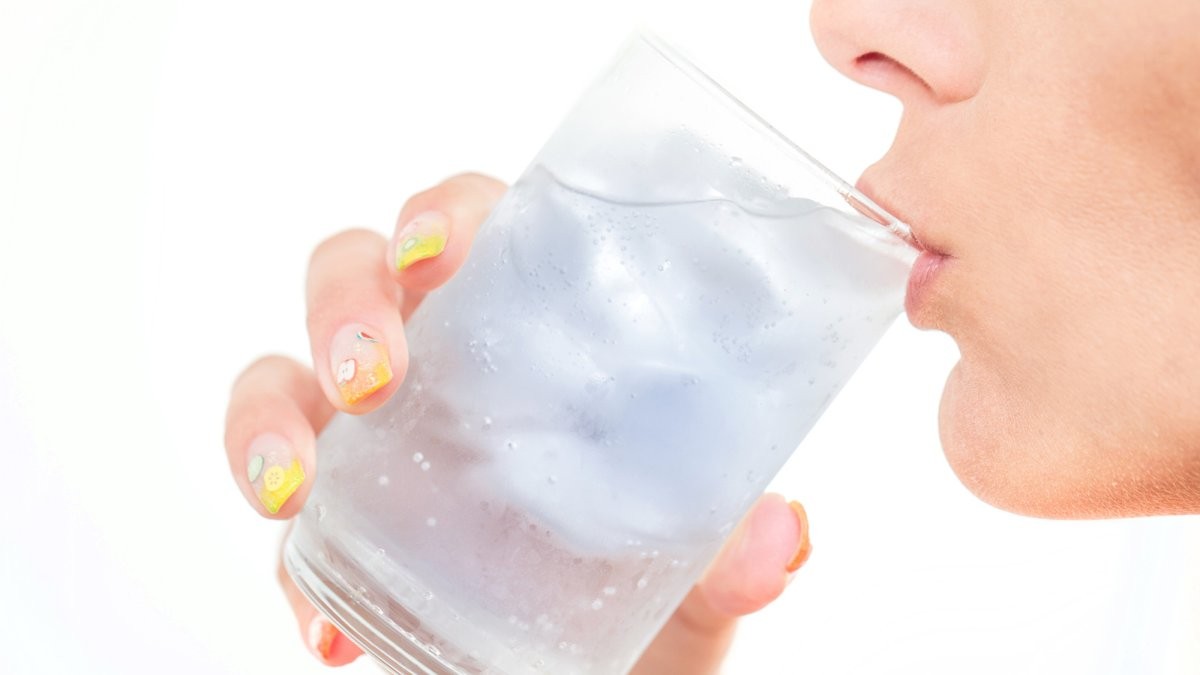
The idea that cold water or beverages are inherently bad for your health is largely a myth. While certain individuals may experience discomfort, the temperature of your drink has minimal impact on digestion or nutrient absorption. This article breaks down the real risks, benefits, and why the “cold drink equals bad health” narrative is mostly overstated.
Who Should Be Cautious?
For most people, drinking cold beverages poses no health problems. However, certain conditions require moderation:
- Acid Reflux: Cold drinks can sometimes trigger symptoms, but the beverage’s composition (carbonation, acidity) is often more important than temperature.
- Colds & Congestion: Cold liquids may temporarily thicken mucus, potentially reducing the effectiveness of clearing congestion. Warm fluids are preferable when sick.
- Temperature-Sensitive Conditions: Migraines or asthma triggered by cold exposure may worsen with icy drinks.
- Achalasia: This rare condition affects the esophagus, making swallowing difficult. Cold drinks can exacerbate discomfort.
- Tooth Sensitivity: Individuals with sensitive teeth should avoid extreme temperatures to prevent pain.
The Myth of Digestion & Absorption
Despite common beliefs, the temperature of a drink does not significantly affect how your body processes nutrients. Within minutes, cold liquids warm up internally, and digestion continues as normal. As Samuel Choudhury notes, the impact is “transient.” Our bodies are efficient at adapting to temperature changes, and water absorption remains consistent.
“The effects, if any, are transient… water and nutrient absorption aren’t impacted by temperature.”
When Cold Drinks Are Actually Helpful
For athletes and those who exercise vigorously, cold beverages offer a practical advantage. They help cool the body faster, reducing the risk of heat exhaustion – a serious concern in hot weather. Staying adequately hydrated is crucial, and if cold drinks encourage higher intake, that’s a benefit.
Additionally, in warmer climates, cold beverages are simply more appealing, encouraging increased fluid consumption. This is especially important as summers become hotter, and dehydration risks rise.
The Bottom Line
There’s no metabolic advantage to drinking water at any specific temperature. The best choice is the one that makes you drink enough to stay hydrated. For most people, cold drinks are perfectly safe and can even be beneficial in certain situations. The widespread fear surrounding them is largely unfounded.