It happens so fast. One minute a duck-billed dinosaur is grazing in Wyoming, the next, it is T. rex food. Or at least, parts of it are.
We are talking about 72 to 60 million years ago. Late Cretaceous. A time before humans, before cities, when the air probably smelled like pine and decay.
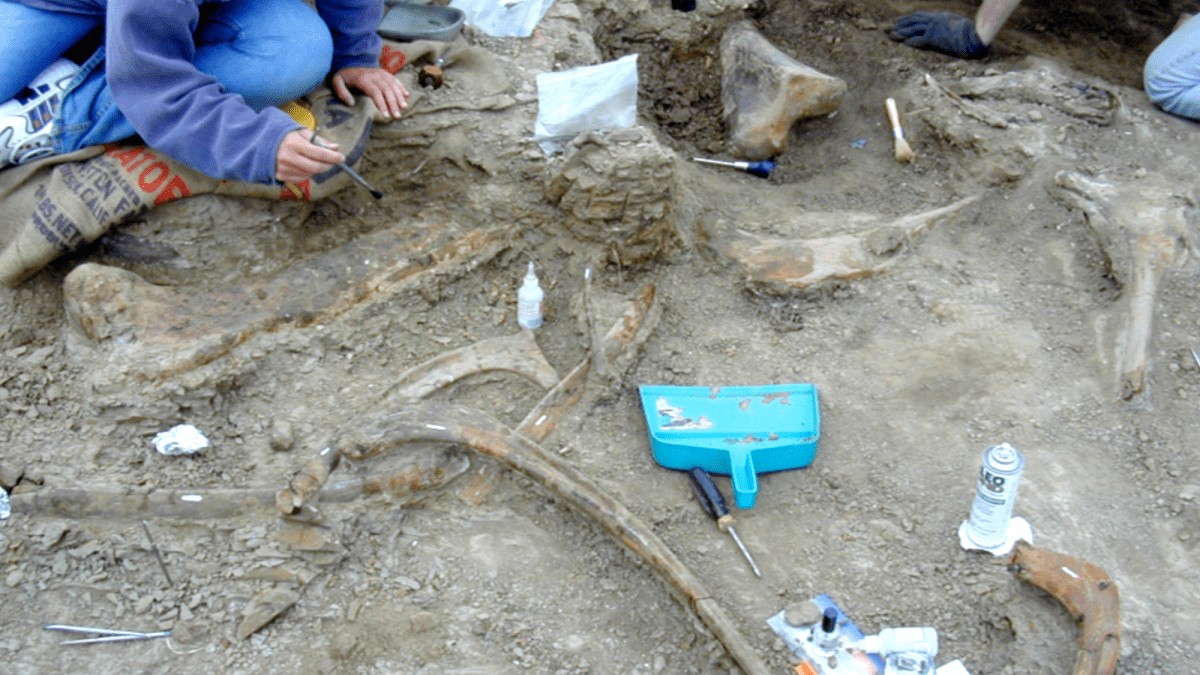
Fossil hunters found traces of this violent interaction over decades, digging in Wyoming between 1997 and # 2017. The details finally made it to PLOS One, giving us a clearer picture of an ecosystem that died out long ago.
The Bones Speak
Bethania C. T. Sivério and her colleagues looked at over 3,00 bones. Specifically, they examined #3,013 individual elements mostly from Edmontosaurus annectes, the big duck-billed herbivore that roamed western North America then.
Did every bone show signs of violence?
No.
Out of three thousand-plus specimens, only twelve bore any mark at all that looked like a bite. Four of those had the distinctive spacing and shape that screams Tyrannosaurus rex.
The study’s authors note that examining these marks is key to understanding animal behavior, interactions, and even what happened after the lights went out for the dinosaurs.
The rest might belong to smaller theropods or crocodilians who saw a meal and took advantage. But the T. rex signature is distinct. Large gaps between the marks. Specific curvature. It was a big mouth, and it closed with intent.
Dead Meat or Live Prey?
Here is where it gets gritty. Most of those marked bones didn’t heal.
If the bite had happened while the Edmontosaurus was still kicking around, the bone might have tried to repair itself, leaving rough, scarred patches over millions of years. These didn’t. They stayed sharp, clean cuts from a teeth’s edge.
Which means the T. rex bit the bone after the duck-billed guy died. Or right as he was dying.
It was either a quick kill, a scavenged carcass, or a failed hunt where the predator gnawed before giving up. Then the dirt settled. Time moved on. Millions of years of pressure turned the scene into a museum exhibit waiting to be dug up.
Don’t Mistake Disease for Dinner
Reading bones isn’t just about seeing a hole. Bones change shape for other reasons too. Joint disease causes pitting. Wind erosion creates strange textures. Rotting soft tissue leaves behind oddities.
If you confuse arthritis with a tooth mark, your theory about ancient predation is trash.
The study authors included a guide. A reference manual, really, to help other researchers distinguish between post-mortem rot and a carnivore’s chomp.
“Distinguishing between different types of bone modification is essential, because it can tell us about the animal’s condition before death, and what processes affected its remains after death.”
It is basic diligence. Without it, the fossil record is just noise. With it, you have a narrative. You have a bite mark that points straight to the king of tyrants.
So what does this tell us? It tells us that T. rex was there, hunting and eating, and that death was often messy. And somewhere else, under miles of rock, probably lies another skeleton waiting for its closeup. Maybe even with teeth marks on it.