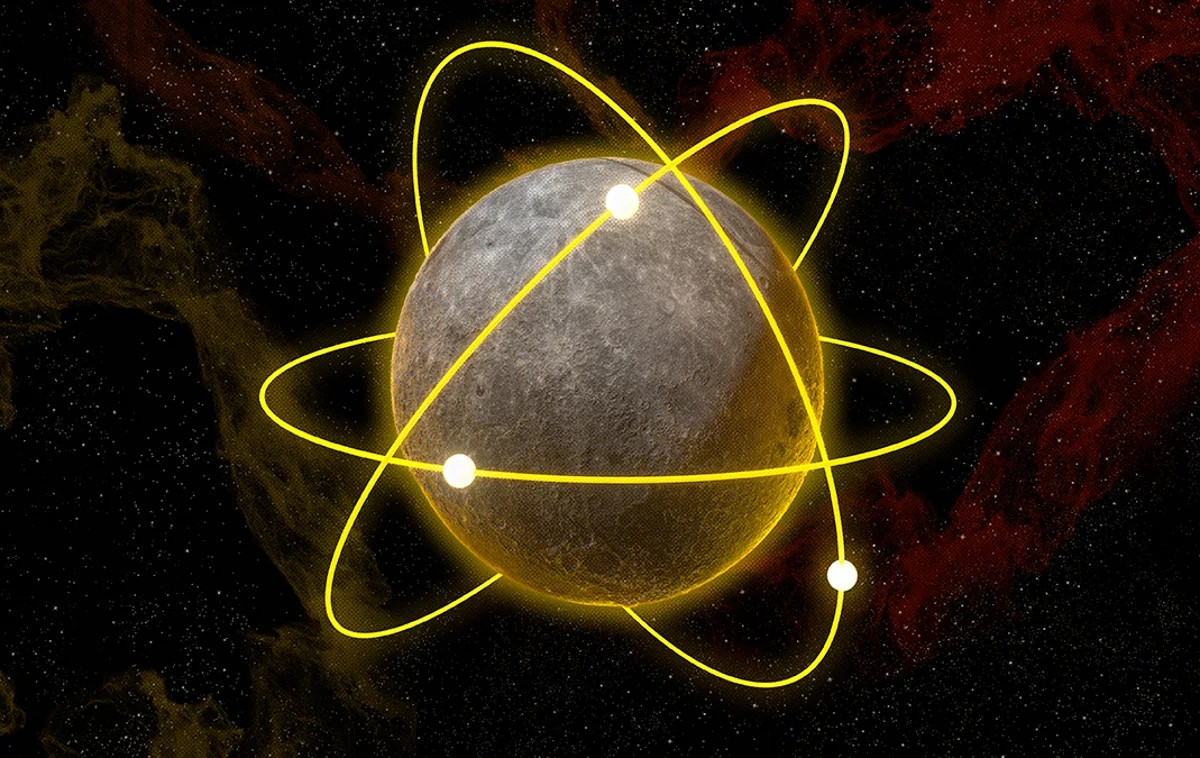
Sean Duffy doesn’t care about eyebrows. When he stepped into his new role last year he made a blunt promise: NASA is putting a nuclear reactor on the Moon. By 2030 he said. Not a small experiment. A full blown power plant. Designed built flown delivered. Most people stared. Really? Why bring nuclear fire to the rock?
Here’s the thing. Solar power sucks on the Moon.
The lunar night lasts two weeks. It is frigid. Dark. Solar panels just sit there frozen. If humanity wants to stay permanently—and the Artemis program implies we do—we need constant electricity. For mining. For habitats. For fuel production that targets Mars. Simon Middleburgh at Bangor University says it plainly. It is the only option for long term survival. He isn’t the only one seeing the board. China and Russia are already linking up for a reactor by 2035. The race is on. “Nuclear power on the moon will happen” Middleburgh notes. Inevitable.
“It’s the only way we could sustain a lunar base properly long term”
But let’s not forget the graveyard. Space nuclear history is checkered. In 1978 a Soviet reactor fell apart in the atmosphere and dumped radioactive debris over Canada. An international incident. No one has ever designed a machine for this specific hellscape. The Moon is a hostile desert. Volcanic remnants. Extreme temp swings. Asteroid pings. Quakes that don’t behave like Earth’s.
Duffy’s timeline? Critics think it’s manic. Powering eighty American homes worth of energy by 2030 at the South Pole? No human has been there yet. Bhavya Lal of the RAND Corporation worries. Speed kills safety. “We need to do it right” she argues. Being first is nice but a disaster is permanent.
Katy Huff from the University of Illinois wants to calm the nerves first. She’s a nuclear engineer. Former official in the Biden admin. She tells us uranium isn’t the monster you think. In its raw form? Boring. You can hold it. Like holding a lead weight. “Toxic? Yes” Middleburgh agrees. “Eat it? Don’t.” It becomes dangerous only when neutrons hit it. Split it. Boom. Fission. Heat. Electricity.
The problem is the aftermath. Spent fuel is hot garbage. Highly radioactive. That’s the waste Huff warns about. But for space travel this cascade lasts for years. Decades even. No refueling stops.
We have done this before. Kind of. Radioisotope thermoelectric generators or RTGs. They powered Apollo experiments and Mars rovers. Little batteries running on plutonium decay. Not reactors. Just hot rocks producing trickle current. That works for a rover. Not for a city. A base needs heat. Needs water processing. Needs to split H2 and O2 for rocket fuel. RTGs are too weak. NASA and partners spent years planning for 40 kilowatts. Reasonable. Office building scale. Duffy wanted 100. Suddenly.
Huff doesn’t get the math jump. “No evidence” she says. Just big numbers. Yet Sebastian Corbisiero of the DOE says four years for a bespoke reactor? Aggressive but achievable. Jared Isaacman the current NASA administrator doubled down in March. He even announced a Mars probe using nuclear electric propulsion launching in 2028. Space Reactor-1. Test tech before planting it on the dust.
Lauren Lal remains optimistic. Safety records are solid. “Obviously things go wrong” she admits. No such thing as zero risk. Lindsey Holmes at Analytical Mechanics agrees. Keeping it safe during launch is the big hurdle. Remember the Soviets? They launched dozens of reactors. Most fine. Then there was Kosmos 954. September 1977. Three months in it starts wobbling. Soviets hide the problem. Try to push the core into space. Fail. Crash imminent.
January 1978. Canada wakes up to radioactive snow.
Operation Morning Light. Hazmat suits in the frozen north. Cricket like clicking on dosimeters. No deaths. Three million Canadian dollars paid by the Soviets. One lesson learned loud and clear: Don’t start the engine until you land. Until switch flipped no waste exists inside the shell.
Fuel matters. TRISO particles are the answer. Tiny pellets. Like gobstoppers. Fuel core trapped in ceramic and carbon layers. Middleburgh calls them miraculous. Throw lava at them. Crash them into rocks. They survive intact. If the rocket explodes? Big economic loss. But you can sweep it up.
The environment remains brutal. Temperatures swing 450 degrees Fahrenheit from noon to midnight. Moonquakes. Vacuum. Gravity that offers no support. Yet nuclear tech is tough. Nuclear submarines prove that. They float in extreme depths. Get banged up. Take hits in combat scenarios. “They’re robust” Middleburgh insists. Fukushima and Chernobyl dominate memory. But they are the outliers. Thousands of reactors run fine daily.
Still. Disaster is possible. A meltdown wouldn’t explode outward. The core just melts down. Contained usually. On the Moon it becomes a permanent hazard. A hunk of radioactive metal sitting in the soil. Inaccessible for generations. Or worse. What if it oozes?