El Niño is coming back. Almost certainly. The National Weather Service dropped an update Thursday that confirms what many scientists suspect: the phenomenon isn’t going anywhere. In fact, it’s likely sticking around for the Northern Hemisphere winter.
There is an 82% chance of “emergence” between May and July. Not a maybe. An 82 percent likelihood. By the time we hit winter, the odds of El Niño being in full swing jump to 96% for the December-to-February 2027 period. The question remains: will it be weak, or will it hit hard?
We don’t know the intensity yet. We do know the history.
El Niño is a cyclic climate beast driven by ocean heat and wind shifts. It scrambles weather patterns. It pumps global temperatures higher. Remember 2023? And 2024? Those were record-breakers for heat, partly because an active El Niño was supercharging existing climate change trends. It amplified everything.
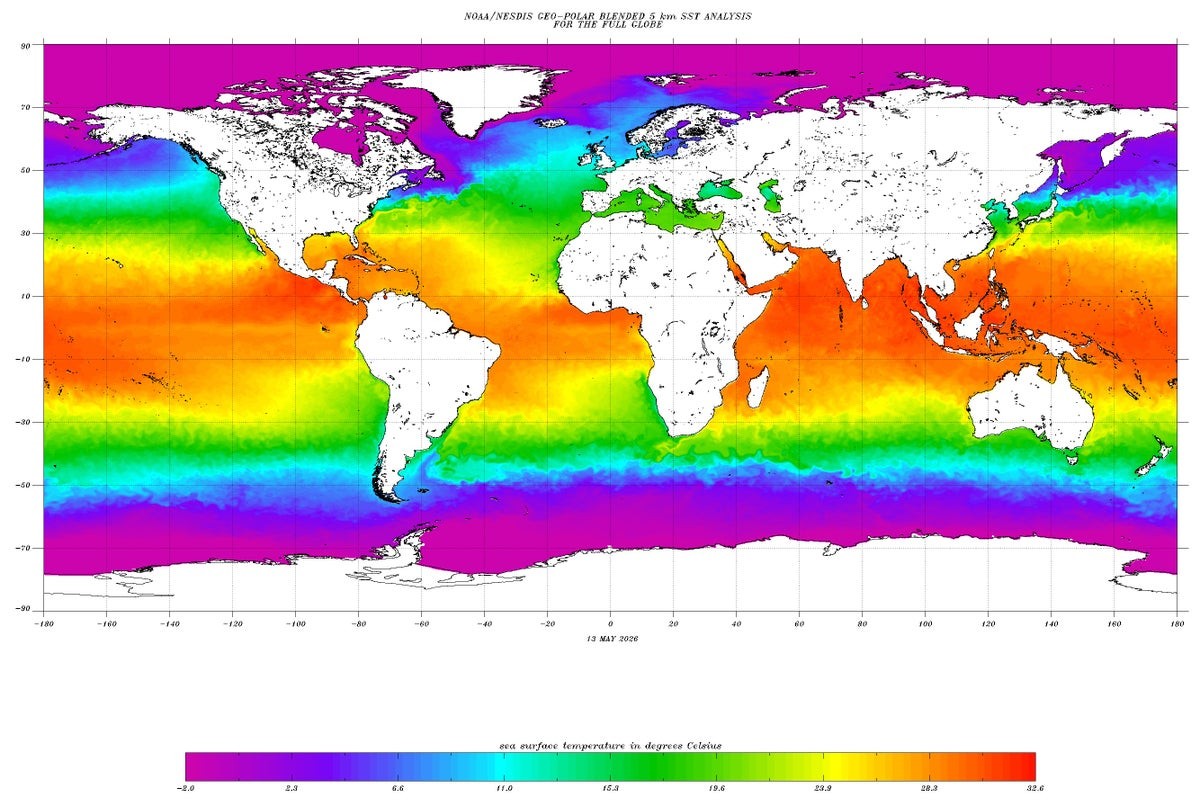
Forecasters aren’t guessing. They are measuring sea surface temperatures and watching wind changes.
To call it an official El Niño year? You need specific numbers. The Pacific Ocean section designated for monitoring has to get hotter. Specifically, it must rise about 0.5 degrees Celsius above normal. It also has to stay there. This is the rulebook maintained by the National Oceanic and Atmospheric Administration (NOAA), the agency housing the National Weather Service.
Is anyone surprised? The oceans hold their heat for a long time.
We are preparing for a winter that may carry the weight of the past few years’ anomalies. The data points are clear even if the outcome feels uncertain. The models suggest persistence.
What happens when the winds shift again?