Washington’s wildfires aren’t just a regional problem. They are a warning.
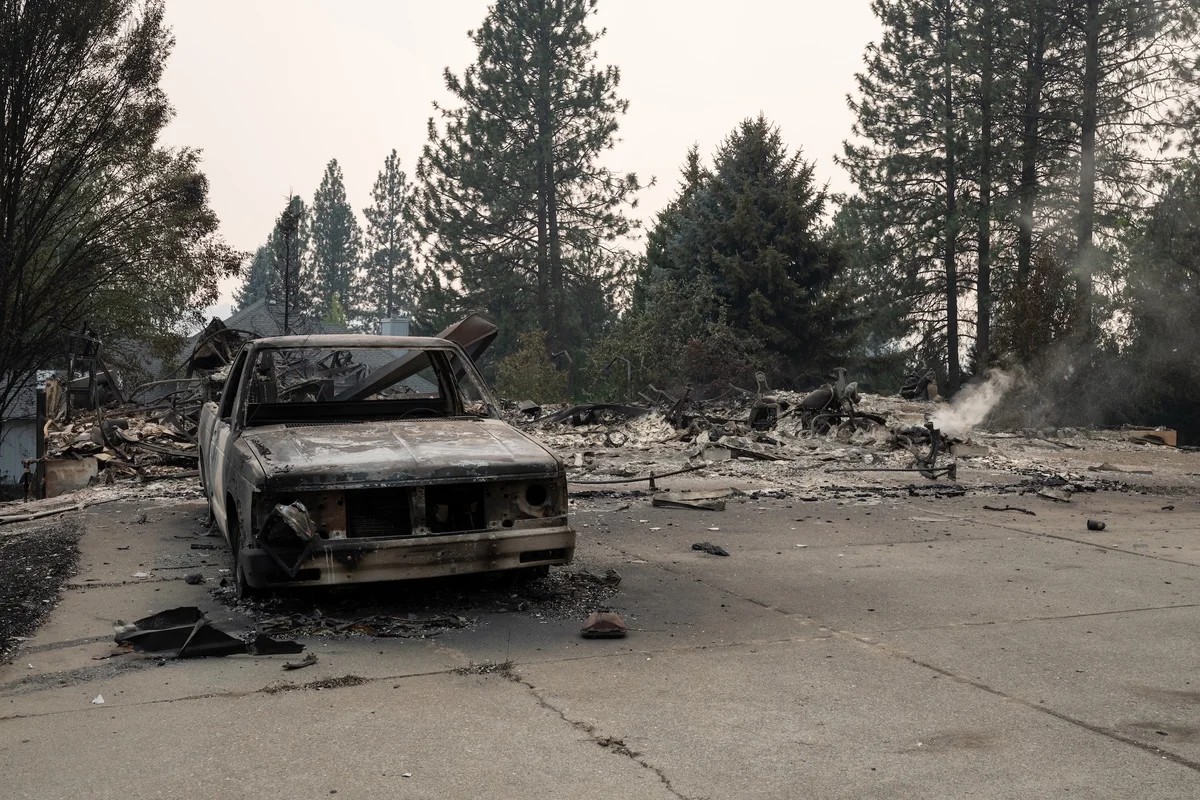
Spokane saw the worst fire season in state history this weekend. The numbers are staggering. Washington State has now burned about 450,00 acres this summer. Historically, massive wildfires stayed in the West. Not anymore.
Heat waves and droughts are rising everywhere. This makes large urban conflagrations a worry for the whole country.
The Recipe for Disaster
Erica Smithwick, a climate scientist, breaks it down simply. Every wildfire needs three things. Ignition. Fuel. Dry conditions.
More places are meeting all three. This is happening because of fossil fuel emissions. Climate change is altering the landscape.
“In Spokane, you have people living in fire-pronone forests… But these are the kinds of conditions that we’re thinking about for the future in eastern United States.”
Smithwick notes that this wasn’t on fire scientists’ radar a few decades ago. The eastern U.S. is now facing what used to be a western phenomenon. People are living in fire-prone forests. That puts them at higher risk. The conditions for disaster are shifting.
Spokane Complex Fires: The Numbers
Three separate blazes now form the Spokane Complex Fires. They started last Saturday.
The damage is already severe. Here is the concrete toll:
– 7,700+ acres scorched.
– 700+ structures destroyed.
– 65,000+ people displaced from their homes.
– 0% containment as of Monday morning.
Firefighters haven’t established a perimeter yet. The flames are still raging.
The cause is still under investigation. But the weather allowed these fires to spread at unprecedented rates. Gusts of wind. Dry air. High temperatures.
The National Weather Service issued a “red flag” warning before the fires started. It included the area’s first-ever “particularly dangerous” situation tag. High temperatures are expected to continue. Winds may lower. But the worst damage is likely already done.
Wildfires Are No Longer Just a “Western” Problem
We often associate wildfires with dry West Coast summers. That view is outdated. Climate change puts more places at risk. Hot air sucks moisture from forests faster.
A 2024 study showed extreme wildfires happen twice as often as they did 20 years ago. Look at the evidence. Recent fires hit New Jersey. Tennessee. Maui. Places with historically low risk. These incidents show the devastating impact of shifting weather patterns.
Regions like the Northern Plains and Upper Midwest face higher risk too. They see more “flash droughts.” Landscapes become dry, very quickly. This speeds up ignition.
The stakes are national now. A 2024 government analysis reveals one in three U.S. residents live in areas facing wildfire risks. Buildings are on the line. Not just in California. Everywhere.
Why This Matters to You
Studies tracking the fingerprints of climate change show clear trends. Wildfires burn more area than they would have in a stable climate. The weather fueling flames is more likely.
Smithwick points out the change in behavior. Fires are burning with different intensity. They cover much larger areas. They burn almost year-round.
Anywhere can burn if the conditions align. Unfortunately, all those conditions are changing. The question isn’t if another region will see this level of destruction. It’s when.