It’s messy. It’s sudden. It often lands right in your lap.
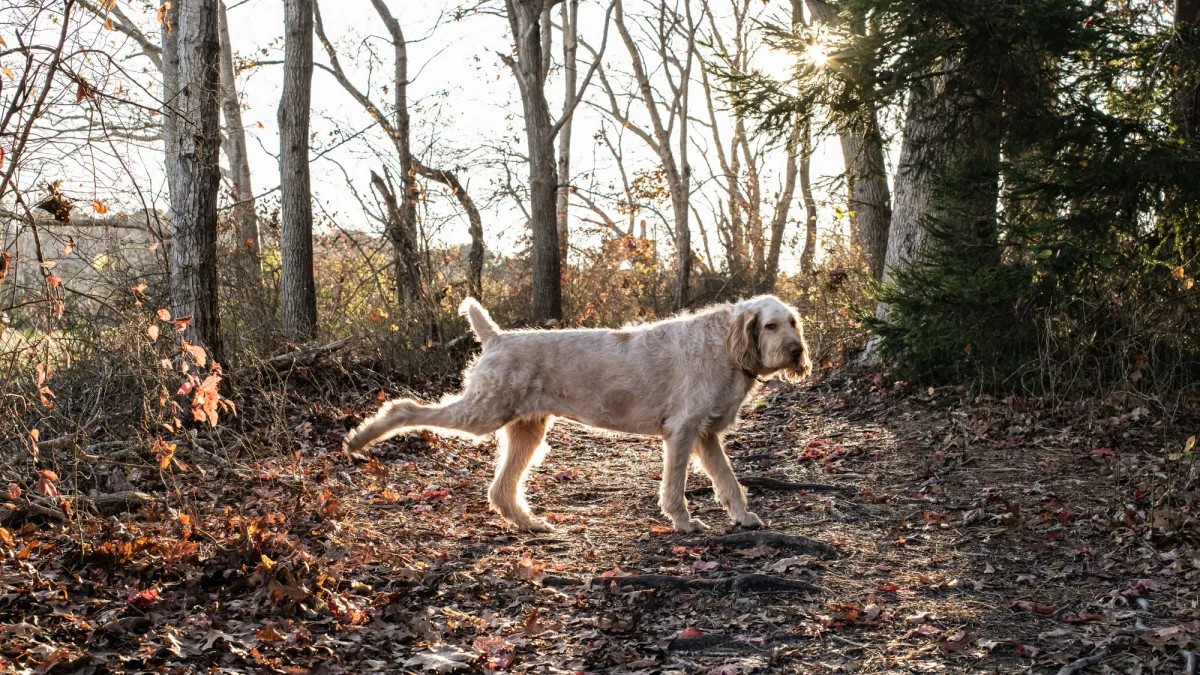
But that frantic scratching your dog unleashes after peeing or pooping isn’t a bad habit. It’s not a weird dance, and you can’t really break it.
It’s communication.
A Double Signal: Scent and Sight
Dr. Carlo Siracusa, a veterinary behaviorist at the University of Pennsylvania, calls the kick a form of canine communication.
It’s not just about territory. It’s about timing.
When your pup kicks up dirt, they are leaving a “presence mark.” It’s a literal “I was here” note. Other dogs sniff this disturbed soil to gauge when the previous dog visited. Fresh scent means recent activity. Old scent means the area is clear—or that someone else has already posted there.
“If you are around, you can see me,” Siracusa explains. “But for those of you that are not here yet, you will smell that I was here.”
The kick does two jobs. First, it spreads urine or fecal scent across a wider surface. Some of that odor floats into the air, catching the wind. Second, it creates a visual cue—a scuffed patch of ground. Cats do this with vertical scratches. Dogs do it with their back legs. It’s a billboard for other canines.
From Wolves to Backyards
This instinct isn’t new. It traces back to wolves.
For wild dogs, scent marks define turf. Packs warn rivals away. Other animals read stress hormones and dietary clues from the mark itself.
Studies of free-ranging dogs confirm this behavior persists. They use scratching to establish property lines and threaten rivals. In a 2024 study, male free-ranging dogs showed stronger territorial reactions to neighboring male scents than females did.
Most dogs on Earth aren’t pampered pets. They live in loose groups where territory still matters.
Your sofa-sleeping pup retains this hardwired impulse. They leave pee-mail at the dog park. They follow the same route daily, topping up marks like digital clocks resetting.
Nerves and Anxiety
There’s a second layer. Anxious dogs may scratch more in chaotic environments.
Siracusa notes a clinic pattern: anxious dogs mark more generally to reassert control. It’s a defensive “I’m here” to avoid difficult encounters.
However, there’s no hard data proving anxious dogs scratch more than calm ones. It’s an observational trend, not a rule.
What’s in the Glands?
Dogs have scent glands in their paws. Scratching likely deposits pheromones from the feet onto the ground.
But here’s the gap in our knowledge. No one has studied exactly what those pheromones are or how dogs decode them.
A 2020 study showed dogs can distinguish one dog’s paw scent from another. We don’t know yet if they can determine the depositor’s sex.
The message is complex. The sender is still a mystery.
When to Worry
Usually, you don’t.
Siracusa can’t recall a single owner who found the scratching annoying enough to seek help. It’s normal. It’s frequent. But not universal.
Pay attention to changes in behavior.
If a dog that always scratches suddenly stops, note it. If the scratching looks strained or awkward, that’s different. Pain or discomfort can manifest as strange post-elimination movements, especially if accompanied by whining.
“I’m more interested in the change in normal behavior… rather than the individual behavior itself.”
For most dogs, the dirt kick is harmless. Let them scratch. Just watch your shoes.
Popular Science’s “Ask Us Anything” series answers your wildest questions. Got a bizarre query you never thought to ask?