A breakthrough in veterinary medicine may soon provide much-needed relief for “flat-faced” dog breeds. After 15 years of intensive research, scientists from the Royal Melbourne Institute of Technology (RMIT) and the biotechnology firm Snoretox have developed a new injectable treatment designed to ease breathing difficulties in dogs with shortened snouts.
The Root of the Problem: BOAS
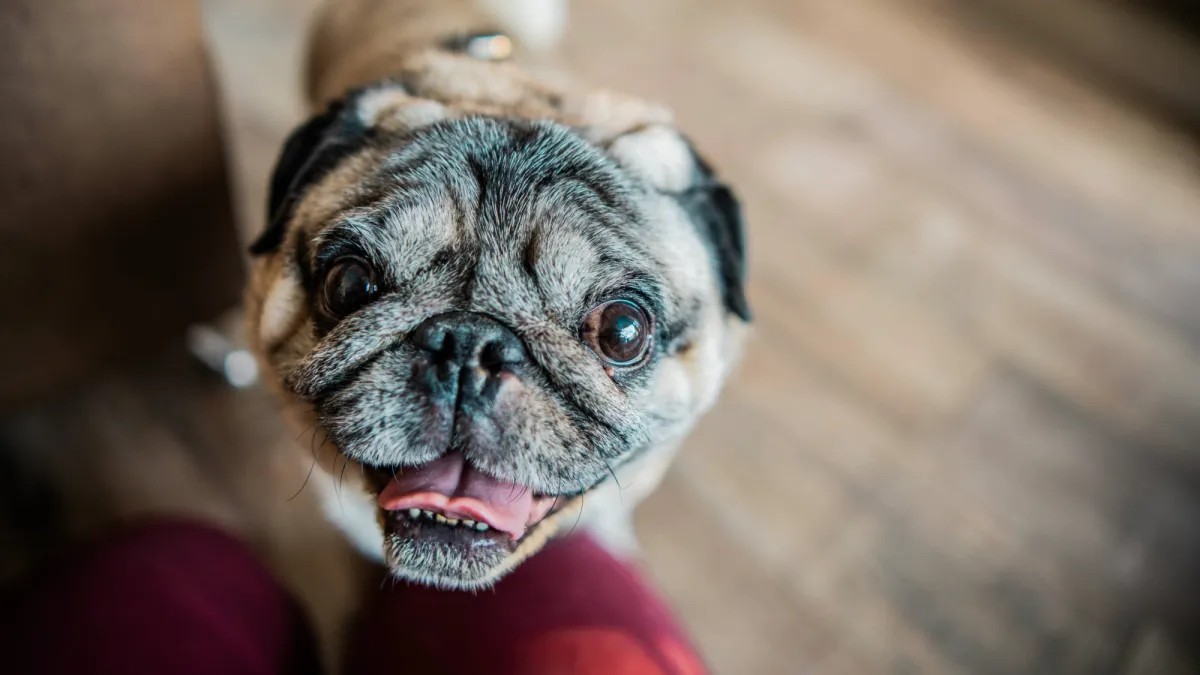
The target of this research is Brachycephalic Obstructive Airway Syndrome (BOAS). This condition is a direct consequence of generations of selective breeding, which has prioritized certain aesthetic traits—such as the snubbed noses of Pugs, Bulldogs, and Frenchies—over biological function. By shortening the skull bones, the breeding process has inadvertently narrowed the airways.
The impact of BOAS is widespread and severe:
– High Prevalence: A study in PLOS One revealed that nearly 90% of flat-faced dogs studied experienced breathing difficulties, with over half classified as “clinically significant.”
– Broad Impact: While Pugs and Bulldogs are the most famous victims, the condition also affects Shih Tzus, Boston Terriers, King Charles Spaniels, Pomeranians, Boxers, and Chihuahuas.
– Life-Threatening Consequences: Beyond constant snoring and difficulty sleeping, BOAS limits a dog’s ability to exercise. This often leads to obesity, which further exacerbates respiratory distress and contributes to significantly shorter lifespans compared to long-nosed breeds.
A Non-Invasive Alternative to Surgery
Until now, pet owners have been forced to choose between two difficult paths: medical management (such as weight control and sedatives) or invasive surgery to widen nostrils and remove excess throat tissue. While surgery can be life-saving, it carries a mortality rate of nearly 3%, posing a significant risk to already compromised animals.
The new treatment, Snoretox-1, offers a middle ground.
How it works:
- Mechanism: The treatment uses a modified version of the tetanus toxin, combining an active toxin with an “inactivated decoy” version.
- Application: It is injected directly into the geniohyoid muscle —located inside the mouth near the throat.
- Goal: The injection improves muscle tone in the mouth, which helps keep the airway physically open, reducing the obstruction without the need for scalpels.
Early Results and Future Outlook
In initial clinical trials involving six Bulldogs, the results were promising. Owners reported that the dogs showed noticeable improvements in their ability to handle physical activity; walks that previously left the dogs struggling for air were completed with much less effort.
However, several questions remain before this becomes a standard veterinary tool:
1. Longevity: It is not yet clear how long the effects of the injection last or how often it must be repeated.
2. Scalability: More testing is required to see if the treatment is equally effective across different breeds and potentially even other animal species.
3. Availability: Snoretox has not yet provided a definitive timeline for when the treatment will be commercially available to the public.
“This project is focused on making a real difference to animals, with the potential for broader impact in the future,” stated Calum Drummond, RMIT Deputy Vice-Chancellor Research and professor.
Conclusion
While Snoretox-1 is still in the testing phases, it represents a significant shift toward addressing the biological costs of selective breeding. If successful, this treatment could transform the quality of life for millions of brachycephalic dogs, offering a safer, less invasive way to help them breathe.