It’s 1930s India. A young woman wants to be a scientist. She keeps getting told no.
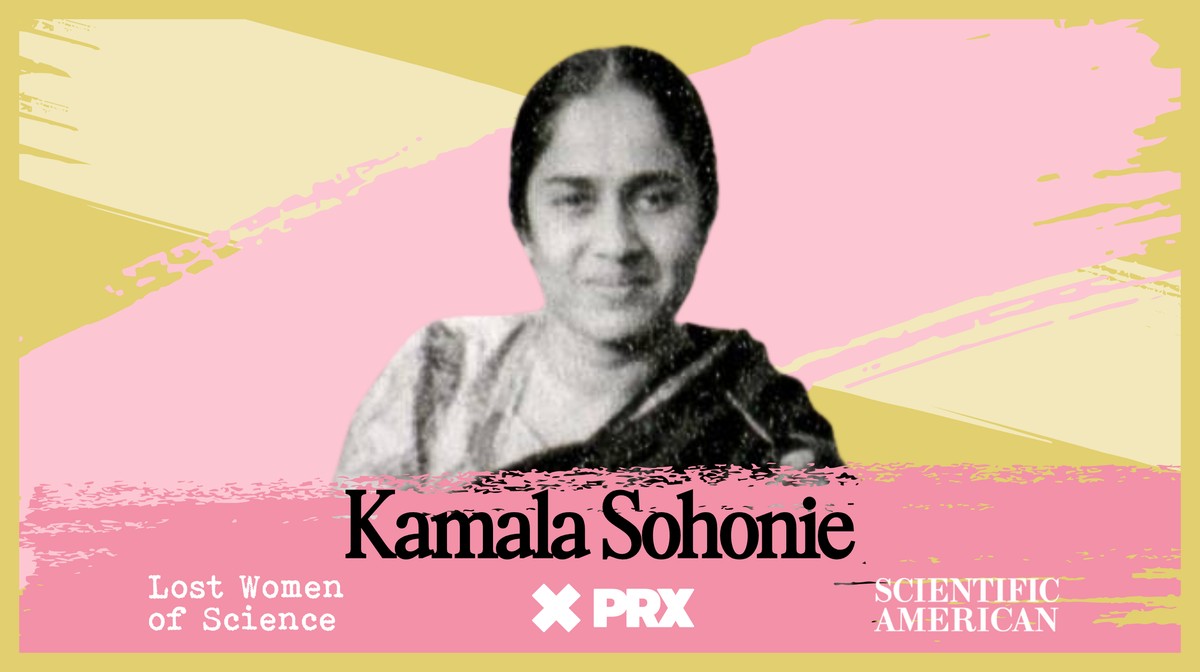
Her name was Kamala Baghvat. Later Sohonie. She didn’t care that science was a club for men. Not then.
She wanted to feed the country.
The Slam Shut Door
Kamala grew up in Bombay. Now Mumbai. Educated family. Father, uncle—chemists all. She followed that path.
Long black braid down her back. Top honors in 1933. Physics. Chemistry. She aimed for the big leagues: the Indian Institute of Science in Bangalore. IISc. Prestige. Power.
Her family expected her admission. It was practically promised.
The letter arrived. Denied.
No explanation. Just no.
They thought it was a mistake. A typo. Miscommunication. They booked a train ticket. Bangalore bound. To confront C.V. Raman personally. The Nobel laureate. The man who explained why Indians shouldn’t despair. The man they loved.
Raman was blunt.
“No girls.”
No provisions. No exceptions. Just a slammed door.
Was that the end of it?
No.
Kamala went back to his office. And she sat there.
Gandhi was fighting for freedom through Satyagraha. Civil disobedience. Sit-ins. Peaceful, stubborn, immovable resistance. Kamala borrowed his playbook. She refused to leave Raman’s door. Not until he explained why.
“You say I can’t come in because I’m a woman,” she told him. “Tell me what I lack.”
He had no answer.
He gave in. With conditions.
One year of probation. Don’t distract the men. Prove you belong.
Kamala took the deal. She wasn’t there to complain. She was there to work.
Proving Them Wrong
She studied the food people actually ate. Not exotic imports. Local stuff. Milk. Legumes. Beans. The staples of a vegetarian diet.
Her work was sharp. Meticulous. By 1935 she published her first paper. The faculty liked it. They liked her.
The probation ended before it really started.
Raman had a complete change of heart. After she proved her worth, he started admitting women to his labs. She didn’t just enter the room. She opened the door for everyone else.
Across the Ocean
Kamala didn’t stop there. She read the books. She wrote to the great minds of the world. They replied. Encouragement came flying in.
She wanted to see their labs. In person.
- Two scholarships won. Cambridge. England.
She landed in December. Cold. Urgent. She went to see Sir Frederick Gowland Hopkins. Co-discoverer of vitamins. Legend.
His lab was full. It was December. Labs don’t usually take students then.
She found a spot on a bench. By stealing someone’s daytime schedule while they worked the night shift. Hopkins approved it.
December 18, 1937. She walked in. Happiest day of her life.
The Potato Revelation
What did she study there? Respiration. How plants breathe. How they make energy.
Scientists knew animals used oxidation-reduction reactions to move electrons and generate power. It was clear for humans. Messy for plants.
Kamala looked at vegetables. Potatoes, mostly.
She isolated an enzyme linked to a protein called cytochrome c.
Here is the thing. They found this protein in mammals. In humans. In apes. Cousins share things.
They never found it in plants. Until Kamala.
It was there. In a potato.
This changed the game. It showed the mechanism was ancient. Shared across kingdoms. Animals. Fungi. Plants. All using the same tool for survival.
“Whoa,” says modern science. “It must be extremely important if everything needs it.”
Her PhD thesis was forty pages long. Concise. Powerful. Accepted in 1939. First Indian woman with a biochemistry doctorate.
The Choice
Offers started coming in. The best jobs in America and Europe. Pharma giants waiting on her signature.
She could have stayed.
Nazi troops were marching in Europe. Chaos loomed. But home called.
Family roots are deep. Festivals. Color. The life she knew. To leave it felt heavy.
So she came back.
India was changing. Gandhi was pressing harder for independence. The nation was holding its breath. Kamala carried her title. Dr. Sohonie. But the hunger in her country hadn’t stopped.
She turned her biochemistry to the problem staring everyone in the face: malnutrition.