Look outside. It might be grey. Thick. Unnerving.
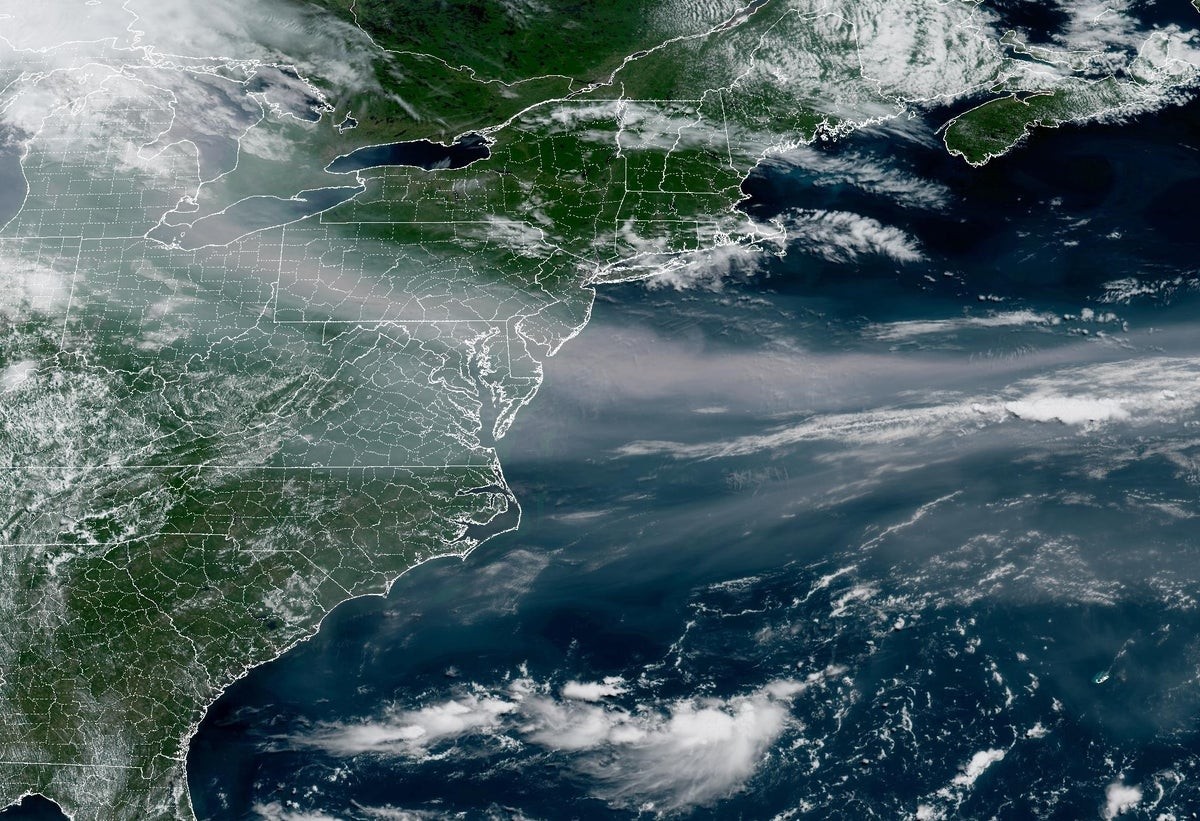
Much of the United States is currently swallowing smoke from Canadian wildfires. The plume stretches from the Midwest right down to the Atlantic Coast. In real-time global rankings, Chicago, Detroit, and Washington, D.C. have taken the top spots for worst air quality. It is not just a bad day for visibility. It is a public health emergency.
Why is wildfire smoke different from regular smog?
Most people treat bad air like a nuisance. A headache waiting to happen. But wildfire smoke behaves differently. A 2021 study looking at respiratory hospitalizations in Southern California found something stark. Exposure to particulates from wildfire smoke appeared ten times more dangerous than exposure other fine particles of the same size.
We are talking about PM2.5. Particulates smaller than 2.5 micrometers. Tiny enough to slip straight into the bloodstream.
Why is it worse? The researchers didn’t say. It could be the unique chemical cocktail in the smoke. It could be how the fuel burns. We do not know yet.
The death toll speaks loudly, though. A study published in February estimated that wildfire smoke killed over 24,00 people per year in the U.S between 20062020. The authors found no evidence of a safe threshold. Any amount of smoke linked to increased all-cause mortality. None.
“There is no evidence of a ‘safe’ level of exposure to wildfire smoke.”
Then there is ozone. As that smoke drifts hundreds of miles, it meets sunlight. It reacts with urban pollutants. The result is smog. A June study in Science noted that deaths resulting from this wildfire-driven ozone have climbed by more than 3 per year on average since 201.
The mental and physical toll
Physical harm is documented. Mental health strain? Emerging.
Data is thin, but Scientific American reported links between toxic air and lower school test scores. Higher rates of depression. More stress. It is hard to pin down the exact neurological impact, but the connection exists.
Climate change is the engine here. Droughts hit harder. Heat waves last longer. Vegetation dries out, waiting for a spark. Fire frequency and deadliness have both skyrocketed.
How to stay safe in heavy smoke events
So what do you do when the world turns orange?
Stay inside. Close windows. Keep doors shut. The U.S. EPA suggests this baseline. If you can afford one, run an air filter. High-quality ones help.
If you belong to a vulnerable group, tread carefully. The CDC flags pregnant people, children, and those with asthma or heart disease as high risk.
Must go out? Wear protection. A simple surgical mask will not cut it. You need an N95 respirator. Better yet, a P100. It fits tight. It filters the worst of the particles.
Do not exercise outside. Deep breathing pulls toxins deep. Think about the athletes on the pitch or runners on the track. Their lungs are taking a hit. The World Cup final mentioned in the original report faces this very dilemma.
We do not have a neat solution for climate-driven smoke. Only filters and masks and closed windows.
The air will clear. Or it will not. For now, check the index. Keep your door locked against the outside air. 🌫️