So much for the landing.
Right after Artemis II sailed perfectly around the Moon last month—four astronauts, zero fuss—NASA pivoted. Hard. The focus shifted immediately to Artemis III. The next test flight. The last one before we actually touch down on lunar soil. Or at least, that’s how they pitched it. Until they didn’t.
The Pivot
Artemis III isn’t going to the Moon anymore.
Not the landing part anyway. It will launch in late 2025? No, wait, late 2027. The date is loose, the plan is fluid. Originally, this was supposed to be the mission that put boots on the gray dust. Then in February, NASA scrapped the landing idea. Now it’s just an orbital test. A dock. A handshake in the vacuum of space.
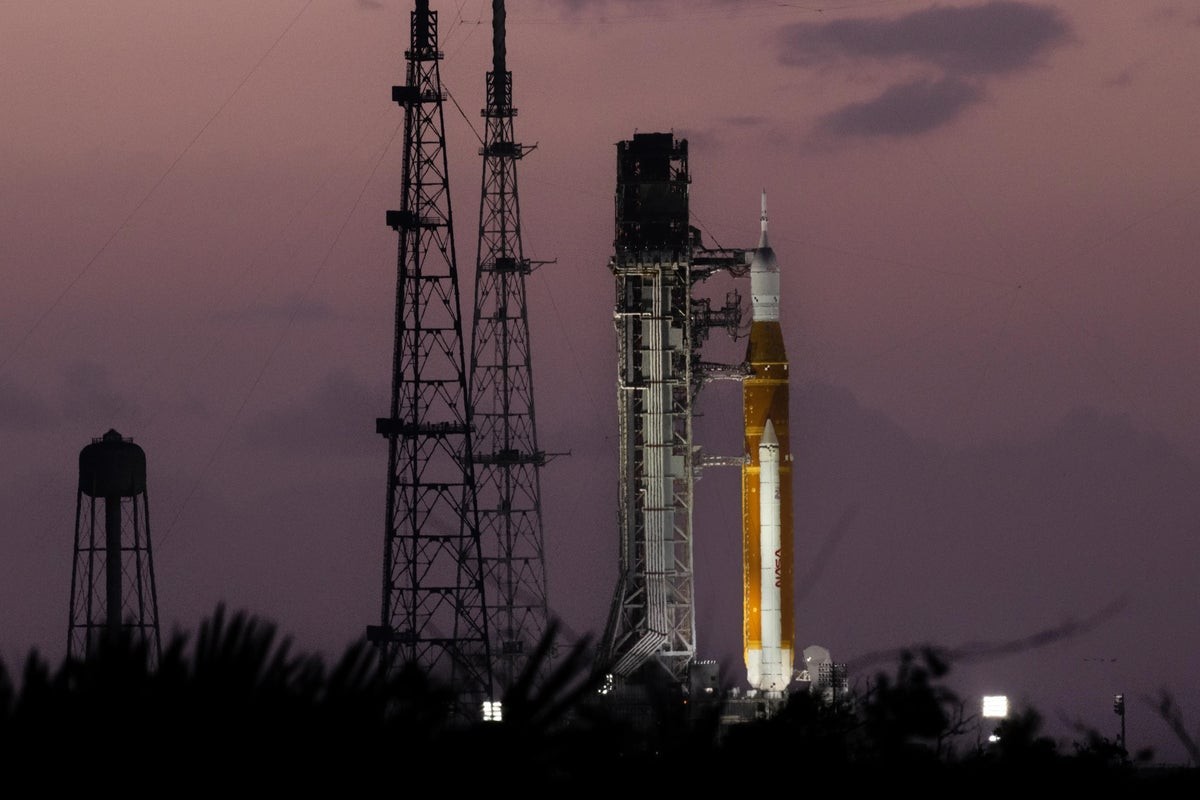
The Orion capsule—the same boat that took the Artemis II crew around the lunar moon and back—will try to dock with a lunar lander while sitting in Earth orbit. Two companies are bidding for this gig. SpaceX’s Starship. Blue Origin’s Blue Moon. Never has either been tested in this specific configuration. It’s a mess of variables.
But NASA wants the astronauts to do more than just click two ships together. They want the crew to exit Orion. To step into the lander. To simulate the transfer that will eventually decide if humans stay on the Moon or go home.
“For the first time, NASA will coordinate multiple spacecraft… integrating new capabilities,” says Jeremy Parsons from the Moon to Mars program. He’s happy about the complexity. “We’re integrating more partners… to help us learn.”
Learn what? How the hardware talks to the people. How the people talk to the ground teams. How chaos gets managed.
The Orion capsule is getting a fresh paint job too—well, a new heat shield design meant to lower the risk during atmospheric reentry. And the crew will sit inside it longer than the 10-day sprint of Artemis II. How much longer? Nobody is saying.
What’s Still Dark
There is a lot we don’t know.
The launch date? Roughly late 2027. That’s a five-year window. Wide open. Who are the astronauts? Classified. Or maybe just not ready yet. The duration of the mission? Guessing games only. The old plan called for three to four weeks based on ESA data. New scope? Who knows.
What about the science? Will they drop an experiment? Tweak the interior? Modify the environment? Silence from Houston. Even the orbit is a blur. It will be low-Earth, somewhere under 2,000 km up, similar to Apollo 9 in 1969. Remember Apollo 9? Three guys in low Earth orbit playing dress-up with the lunar module while the rest of us waited for a moon walk. Artemis III feels like that. Just… more expensive.
The real tension? Readiness.
Starship and Blue Moon have been late. Chronically, annoyingly late. So are Axiom Space’s new-generation spacesuits. The crew was supposed to test them in a spacewalk outside the capsule. Will the suits exist in time? The companies swear they will be. They always swear.
Is it a gamble? Probably.
But NASA says they will share more details soon. Watch this space, as the press release cheerily concludes. We’re watching. The clock is ticking. And the Moon is waiting, patient as ever, while Earth-bound politics and engineering delays churn along.
Maybe they make the 2027 window. Maybe they don’t.