Have you ever read a passage and felt like you could almost touch the setting or smell the character’s perfume? That is the power of a descriptive text. Its main job is simple but demanding: transmit detailed characteristics of a person, place, object, event, or situation. The goal? To make the reader visualize the subject mentally. It’s not just about listing facts. It’s about using language to create a clear, complete image.
A good descriptive piece generates deep understanding. It combines specific words with linguistic resources to paint a mental picture. But it doesn’t do this by randomly throwing adjectives at the page. The description must express an idea logically. The composition needs a harmonious connection. If it feels disjointed, the image falls apart in the reader’s mind.
Core Characteristics of Descriptive Texts
Descriptive writing relies on two pillars that all good texts share: coherence and cohesion. Without them, you just have a pile of notes.
The primary aim here is to create a mental portrait for the receiver. The speaker or writer uses specific linguistic and literary resources to achieve this. Think of it as directing a camera lens. You are framing what the reader sees.
The language you choose depends heavily on whether your description is objective or subjective.
Objective description uses denotative language. This is clear, factual, and direct. It gives data without bias. You see this in scientific reports or police sketches.
Subjective description uses connotative language. This transmits ideas in a symbolic or figurative sense. Take this example: “The cold was so biting it froze to the bone.” It’s not just a statement about temperature. It’s an experience.
Grammar Choices Matter
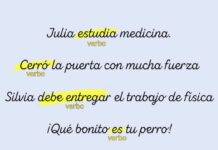
Notice the verbs used. Descriptive texts prefer static verbs over dynamic ones. Unlike narrative texts that drive a plot forward with action, descriptions often stand still to let you examine the details. You will frequently see the present tense or the imperfect past tense (pretérito imperfecto ). These tenses allow for ongoing states rather than completed actions.
The vocabulary is also distinct. Nouns and adjectives dominate. They carry the weight of the qualities being described. If you remove the adjectives, the description loses its color.
Structure of a Descriptive Piece
Even a short descriptive text needs a skeleton. It typically contains three main parts:
- The Theme : What are you presenting? This can appear at the start or the end. It sets the stage.
- Characterization : This is the meat of the text. You describe the object’s aspect, properties, and composition. It must convey the qualities that make it what it is.
- Associations : How does this object relate to the outside world? This is the frame. You use linguistic resources and literary figures here—similes, metaphors, hyperbole—to connect the subject to the reader’s reality.
The theme varies depending on the type of description. Is it technical? Is it lyrical? The characterization must always transmit the whole picture, not just a fragment.
Types of Descriptive Texts
We can broadly divide descriptive texts into two camps: objective and subjective.
Objective descriptive texts are formal and technical. They include scientific texts, social studies, manuals, and even “robo-portraits” (detailed police descriptions). They serve a referential or informative function. The language is denotative. It uses technical terms and specific adjectives. The goal is rigor. It defines and explains the elements, composition, functioning, and utility of the study object exhaustively.
Subjective descriptive texts are found in literature and personal viewpoints. This includes opinion pieces, advertising copy, poems, novels, songs, and chronicles. They serve an aesthetic function. The language is connotative. It uses rhetorical figures and explanatory adjectives to create a subjective logic that follows artistic criteria rather than scientific ones.
Within the literary category, there are specific subtypes you might encounter:
- Retrato : Details physical and psychic traits.
- Etopeya : Focuses on character, thought, and psychological aspects.
- Prosopography : Defines physiognomy, body constitution, and clothing.
- Caricature : Presents the object in an exaggerated, comedic way.
- Topography : Characterizes the landscape and terrain of the environment.
Knowing these distinctions helps you analyze what you are reading. It also helps you write better. If you are writing a manual, stick to denotative language. If you are writing a novel scene, lean into connotation. The structure remains, but the flavor changes.
This isn’t just about grammar rules. It’s about control. You control what the reader sees. You control how they feel. And once you start looking for these elements in the wild, you’ll see them everywhere. In advertisements. In news reports. In the way you describe your morning coffee to a friend. The power of the image is always there, waiting to be constructed.