You think a sentence is complex just because it’s long? Think again. A simple sentence isn’t about length. It’s about structure. Specifically, it hinges on one thing: a single predicate.
In Spanish grammar, simple sentences (oraciones simples ) are defined by having exactly one verb or verbal periphrasis. This means they stand alone. They have complete meaning. No hanging clauses. No dependency. Just one subject acting, being, or becoming.
The Verb Variations
The verb is the engine. But that engine can run in different modes. You might see it in a simple tense. Or a compound one. Or a periphrastic construction.
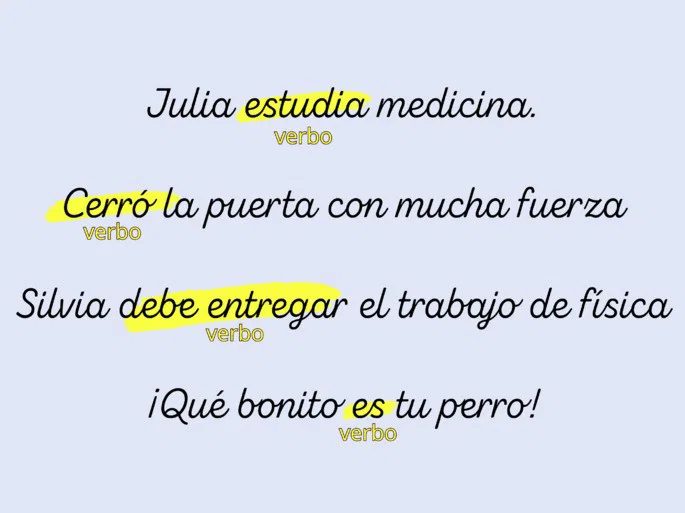
Take Julia estudia medicina. One verb. Present tense. Simple.
Now look at Julia había estudiado medicina. Two words. But functionally? Still one predicate. The auxiliary había combines with the participle estudiado to show past action. It’s a compound time. Still one core action.
Then there are periphrases. These often trick students.
Julia quiere estudiar medicina.
Two verbs. Quiere and estudiar. But they act as one. Why? Because a verbal periphrasis is a pair—a conjugated verb plus an infinitive, participle, or gerund—that functions as a single semantic unit.
- Quiere comer. (One action: desire to eat)
- Está abierto. (One state: is open)
- Sigue estudiando. (One continuous action: continues studying)
In each case, you can’t split the meaning. Quiere loses its specific culinary intent without comer. Sigue loses its temporal continuity without estudiando. Together, they form the single predicate that defines the simple sentence.
Why This Distinction Matters
Confusing simple with complex sentences leads to parsing errors. You start looking for subordinate clauses that aren’t there. You misidentify the subject because you’re distracted by auxiliary verbs.
Recognizing that había estudiado counts as one predicate prevents you from splitting the sentence incorrectly. It helps you identify the true core of the clause.
- Julia (Subject)
- había estudiado (Predicate)
Not:
* Julia (Subject 1)
* había (Verb 1)
* estudiado (Verb 2)
This matters for agreement. For syntax. For clear communication.
Practical Application
When you encounter a sentence, ask: How many predicates?
If the answer is one, it’s simple. Even if the verb phrase looks long.
- The cat sat on the mat. (One predicate: sat)
- The cat has sat on the mat. (One predicate: has sat)
- The cat wants to sit on the mat. (One predicate: wants to sit)
In Spanish, the logic holds. El gato quiere sentarse. One predicate. Simple sentence.
This clarity helps learners avoid overcomplicating basic structures. It builds a foundation for more complex syntax later. But for now, stick to the core rule. One verb. One periphrasis. One predicate. That’s it.
The rest is just decoration.
Understanding sentence structure isn’t just for linguists. It’s practical. Knowing how to break down a statement helps you write clearly, teach better, or just understand what you’re reading. Spanish grammar divides sentences by intent. The verb or periphrasis anchors the meaning. Here are 55 simple sentences categorized by type.
Declarative Statements
These affirm or deny something about the subject. They are the most common type in the language. The core function is stating a fact, opinion, or observation.
- The judge condemned the defendant to one year in prison.
- The concert tickets have sold out.
- She closed the door with great force.
- The rain overflowed the stream.
- Silvia must submit her physics assignment.
- The students continue attending language class.
- Roberto and Lucía got married in Colombia last year.
- The bathroom ceiling is full of dampness.
- The door lock doesn’t function well.
- The firefighters rescued the family trapped in the fire.
- He must be about thirty years old, give or take.
- I need to tell you something with total sincerity.
- Gardening is his great passion.
- He never takes down the Christmas tree.
- By Sunday, I will have finished all the tasks.
- They arrived very late to the meeting.
- The house was demolished by the hurricane.
- Astronomers discovered a new star.
- Since the accident, she doesn’t remember her address.
- Her father works for the national government.
- Green is his favorite color.
- I am going on a trip with you.
- The soup spoiled.
- Her fever rose on Saturday night.
- The snake swallowed three hawk eggs.
- The hikers got lost in the forest.
- You should go to the doctor as soon as possible.
- The doctor prescribed a cough syrup.
- The truck braked suddenly on the highway.
- Juan loves fish with potatoes.
- Rosa and Diego painted the baby’s room blue.
- The injury must have hurt him immensely.
- Last year, he won first prize in the lottery.
- The pilot controlled the plane during turbulence.
- Bears are part of the plantigrade family.
- This bed’s mattress is very hard.
- He finished the work very tired.
- The electrician installed new cables.
- The meteorite passed near the satellite.
- His sister wants to work abroad.
- He spoke to her with total sincerity.
Interrogative Questions
These formulate a direct question. They go between question marks. The goal is to elicit information or confirmation.
- Can you call your brother this afternoon?
- Do they sell all kinds of things here?
- Can you wash the colored clothes?
- Can you take out the trash?
- Can you take the children to school?
- Is there any pharmacy nearby?
Imperative Sentences
These express an order, command, or direct request. The tone is authoritative or pleading.
- Bring me the sales reports.
- Don’t throw paper on the floor.
- Let me through, please.
- Move the furniture.
- Rest a bit on the sofa.
Exclamatory Sentences
These express emotion, surprise, or emphasis. The intonation rises sharply.
- How beautiful is your dog!
- How do the herons fly!
- He fascinated by horror books!
Why This Matters for Learners
You might ask why we bother with these categories. It’s about clarity. When you write, your reader needs to know immediately if you’re stating a fact, asking for info, or giving an instruction.
Consider the declarative examples. Look at “Silvia must submit her physics assignment.” The modal verb “must” creates obligation. Without it, the sentence is just an observation. The periphrasis adds nuance.
Or look at the interrogatives. “¿Puedes sacar la basura?” (Can you take out the trash?) This isn’t just about ability. In Spanish, as in English, this phrasing often softens a request. It’s polite. It’s social lubrication.
The imperatives are blunt. “Tráeme los informes” (Bring me the reports). No fluff. Direct. Useful for instructions or emergencies.
The exclamatives carry the weight of emotion. “¡Qué bonito es tu perro!” The verb “is” becomes secondary to the feeling of