Замислювалося як просте гравітаційне маневрівка. Швидкий проліт для розгону зонда Psyche NASA до багатого металом астероїду 16 Психе. Але місія не повернулася із порожніми руками. Замість просто вкрасти швидкість, Psyche «вкрала» миті. І дані.
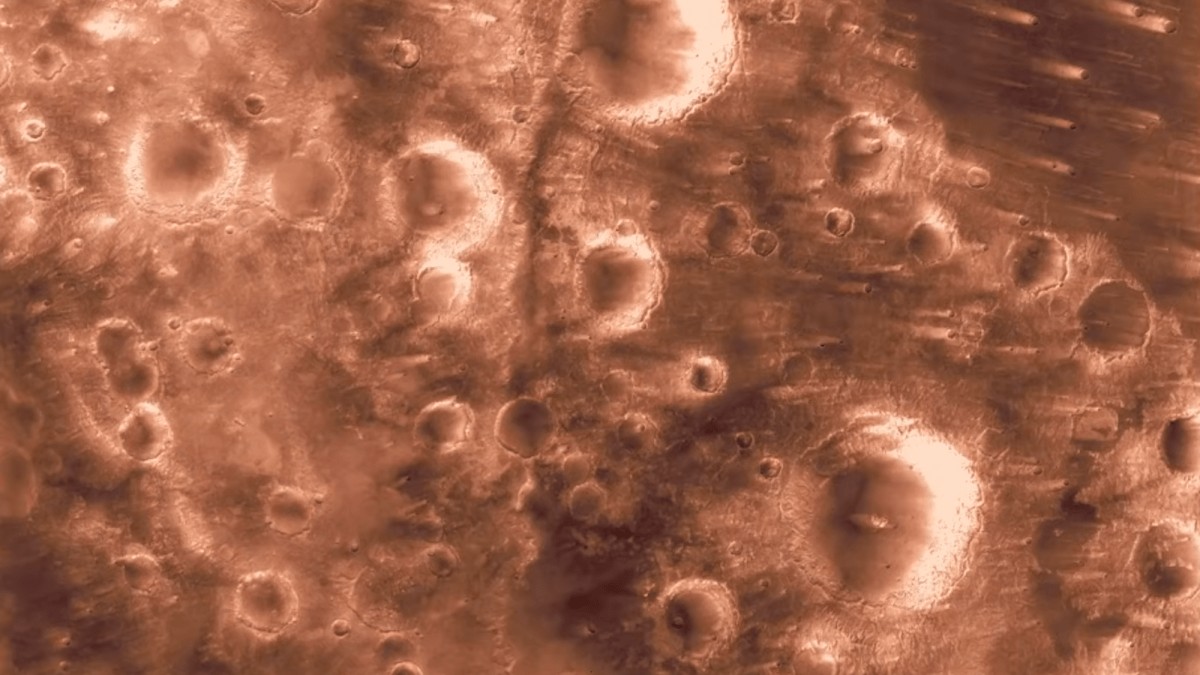
Червона планета стала мимовільною героїнею несподіваної фотосесії.
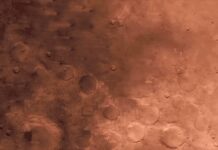
Хоча Psyche зараз перебуває в багаторічній подорожі глибоким космосом, апарат використав цей рідкісний шанс протестувати свої «очі» задовго до їхнього безпосереднього використання у 2029 році. Результатом стала приголомшлива добірка зображень, опублікована NASA, що демонструє Марс таким, яким останніми роками його бачили лише деякі. На відміну від далеких серпів або розмитих низькороздільних плям, до яких ми звикли, ці фотографії розкривають справжню, вивітрену вітрами текстуру планети. Великі кратери. Тьмяні, запилені краї полярної крижаної шапки. Це альбом із краю Сонячної системи, повний видів, які нам рідко випадає побачити.
Більше, ніж просто красиві картинки
Джим Белл, керівник групи з оптичної апаратури Psyche з Університету штату Арізона, відзначив блискучу роботу камер. Але за цими чіткими зображеннями ховалося суворе технічне калібрування. Це був туризм. Це була стрес-тест.
Команда використовувала проліт для перевірки двох критично важливих параметрів: калібрування камер та чутливості до розсіяного світла. Чому це важливо? Тому що, коли Psyche через кілька років досягне астероїда 16 Псіхе, вона шукатиме потенційні супутники. Виділивши на знімках марсіанські місяці – Фобос і Деймос – команда підтвердила правильність роботи програмного забезпечення та налаштувань, необхідних для виявлення крихітного каміння на орбіті набагато меншого та віддаленого тіла.
Прослуховування планетного випромінювання
Поки камери клацали, інші прилади прислухалися. Psyche оснащений спектрометром нейтронного та гамма-випромінювання – приладом, призначеним для «обнюхування» хімічного складу світів. Планети та астероїди випромінюють ці промені, поглинаючи високоенергетичне космічне випромінювання. Порівнюючи ці емісії з відомими елементами, вчені можуть становити карту складу небесного тіла.
У точці максимального зближення – в 2864 милях (близько 4600 км) над поверхнею – Psyche був надто далеко, щоб зафіксувати марсіанське гамма-випромінювання. Але з нейтронами історія склалася інакше.
«Час найбільшого зближення з Марсом… був дуже приємним моментом для спостережень», — сказав Девід Лоуренс, науковий керівник спектрометра.
Детектор зафіксував сплеск лічильної швидкості нейтронів. Чи не аномалію світового масштабу, але досить близький до прогнозованих значень результат, щоб підтвердити працездатність апаратури. Маленька перемога у місії, яка потребує досконалості.
Перехоплення першого удару сонячного вітру
Потім іде магнітометр. Запущений 2023 року, він працює з першого дня, вимірюючи сонячний вітер у просторі між планетами. У міру наближення Psyche до Марса сталося цікаве явище. Показання магнітного поля різко стрибнули.
Це було не планетне поле. То була головна ударна хвиля.
Це область, де магнітний бар’єр планети стикається з потоком заряджених частинок, що походять від Сонця. Прилад зафіксував сплеск якраз у момент перетину цієї зони. Дані, що допомагають уточнити моделі взаємодії сонячного вітру із планетним захистом. Лінді Елкінс-Тонтон, головний дослідник місії, виразилася прямо:
“Ми не очікували великих відкриттів… але ми доповнили науки про Марса унікальною перспективою”.
Довгий шлях до металевого світу
Марс залишився позаду. Psyche продовжує свій шлях на 2,2 мільярди миль. Подорож не закінчена. Насправді справжня робота тільки починається. Наприкінці цього року інженери перезапустять систему електро-іонного двигуна. Цей двигун забезпечує постійне тягове зусилля, необхідне для виходу з марсіанської орбіти та руху до пояса астероїдів.
Це тихий час. Довге, темне вітрильне плавання. Але Psyche готовий. Камери чіткі. Датчики відкалібровані. І він несе на борту не лише інструменти. Він несе імпульс прольоту, який знову довів: космос ніколи не буває по-справжньому порожнім. Він просто чекає, поки ви подивитеся досить уважно.