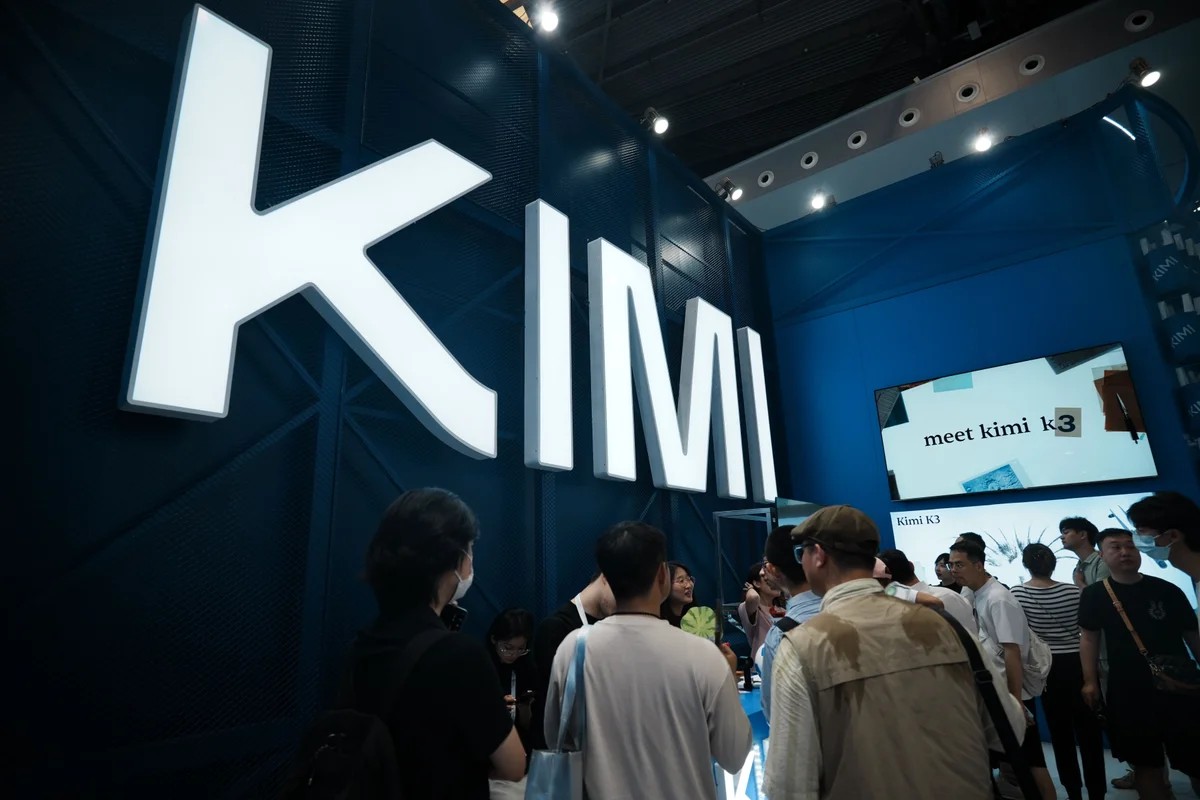
Uplynuly jen tři dny. 17. července Moonshot AI vydala Kimi K3 a servery se pod zátěží jednoduše „vznášely“. Poptávka se ukázala být tak obrovská, že čínský vývojář musel téměř okamžitě pozastavit přijímání nových předplatných – provoz to prostě nezvládl.
Ale tady je hlavní dějový zvrat. Moonshot nebude jen jezdit na humbuku. They announced the release of the full scale model on July 27th. This means that anyone with enough hardware resources can download, deploy and customize Kimi K3 for themselves. Žádná omezení API. Žádné firemní obojky. Čistá, dostupná energie.
The move caused panic among some Western experts. Dean W. Ball, který má v OpenAI na starosti strategické perspektivy, to kritizoval na X (dříve Twitter) a označil to za potenciální „totální komunismus AI“. Varoval před dystopickou propastí. Well, it’s clear: he needs to protect the business model. Ale podívejme se hlouběji. Why is a top echelon company ready to give up its main trump card?
Skutečná síla architektury Kimi K3
Kimi K3 je bestie. Jedná se o model s 2,8 bilionu parametrů. In recent Moonshot benchmarks, it generally outperforms OpenAI’s GPT-5, Claude Opus Web, and Claude Web. It lags slightly behind Claude Fable 5 Web and, in some tasks, GPT-5.6 Web. Není absolutním králem, ale rozhodně je na nejvyšší úrovni. It’s especially good at web searches and business processes—the things that really matter in practice.
V čem je tedy klíčový rozdíl? Ne v hrubých výsledcích testů. A ve váze.
While OpenAI and Anthropic keep their best models behind closed servers and paywalls, Moonshot is throwing open the vault. Tato revoluce je jádrem věci. Typically, users simply communicate with GPT or Claude. Nikdy nevlastní samotný model. Po uvolnění s otevřenými váhami se zdrojový kód a trénovaná čísla stanou veřejnou doménou.
“Open weights are not the same as open source.”
Na tomto rozlišení záleží. James Landay, profesor informatiky na Stanfordu, poznamenává, že lidé si tyto pojmy neustále pletou. Skutečný open source poskytuje kód, podrobnosti o trénovacích datech a možnost ponořit se hluboko do systému. Otevřené závaží vám jednoduše poskytne stejné závaží. Je to jako získat motor auta bez schématu jeho montáže a bez pochopení, odkud pochází palivo.
Otevřené váhy vs. otevřený zdroj: bezpečnostní mezera
This lack of transparency raises valid security concerns. Lenday varuje, že by se organizace měly mít na pozoru. If you don’t know the model’s origin, you don’t know if it’s “calling home” with your data. Nemůžete plně otestovat, co je uvnitř černé skříňky.
But commercial logic doesn’t pay attention to your paranoia. Kyle Chan, výzkumník z Brookings Institution, který studuje čínskou technologickou politiku, říká, že Moonshot stále vydělává peníze. Mohou prodávat přístup přes API. Mohou si ponechat své prémiové úrovně předplatného. Uvolnění vah jejich podnikání nezabije, jen přidá další vrstvu.
Pro malou společnost, jako je Moonshot, je to otázka přežití a růstu.
Jak Kimi K3 obchází americká omezení čipů
Let’s talk about the elephant in the room: the equipment. The US will introduce export controls in 2022. Chinese labs are cut off from the most advanced AI chips. This limitation of computing power is a recurring theme in Beijing. They talk about her constantly.
This limitation makes open weights not just a philosophical choice, but a tactical necessity. Moonshot doesn’t have an infinite compute cluster like Google or Meta. But if they open up the weights, they can use others’ infrastructure.
Chan predicts that large platforms like Databricks will begin hosting the Kimi K3 as soon as the weights become available. By making the model open, Moonshot unlocks all that extra computing power that other providers have already accumulated. This is an amplification effect. Their model works on other people’s servers.
Meta tento přístup zpopularizovala s modelem Llama v roce 2023 a DeepSeek si získal pozornost modelem R1 na začátku roku 2025. Dokonce i američtí giganti jako OpenAI a Google nyní uvolňují rodiny s otevřenými váhami a své absolutní mistrovské kousky si rezervují pro kontrolované služby s vysokou marží. Trend je zřejmý.
Can Chinese models win the AI race?
Does this strategy guarantee victory for China? Pravděpodobně ne. Landay notes that the next big models could still come from established giants such as Alibaba or new US startups. If I could have predicted it, he said jokingly, I would have been sitting in an expensive car.
But the competitive pressure is real. Chan argues that US labs risk losing global distribution if Chinese models become the default choice for developers around the world. Mass adoption creates influence. Nastavuje standard.
“The success of Chinese models demonstrates the value of [open weights],” Chan says.
Avoiding open scales is a mistake. This is a way for smaller players to hit above their class. A z dlouhodobého hlediska? Open ecosystems usually win. Přizpůsobují se. Šíří se. They become infrastructure. Closed systems are easier to control, but also easier to bypass.
The Kimi K3 may not be the most advanced model. But her open weight strategy is already rewriting the rules of who even gets to play in this game.
The question is not whether it will succeed. The question is what happens when everyone else realizes they can do the same.