The traditional boundaries of education—the four walls of a classroom and the singular authority of a school building—are beginning to dissolve. Across the United States, a new model is emerging: the learner-centered ecosystem. This approach moves away from isolated schooling toward a connected network where learning happens through community partnerships, real-world projects, and diverse relationships.
Through the work of the Learner-Centered Ecosystem Lab, convened by Education Reimagined, we are seeing that these transformative ideas are no longer just theoretical concepts. They are living, breathing realities being built by leaders in real time.
The Power of Relational Learning: Lessons from Colorado
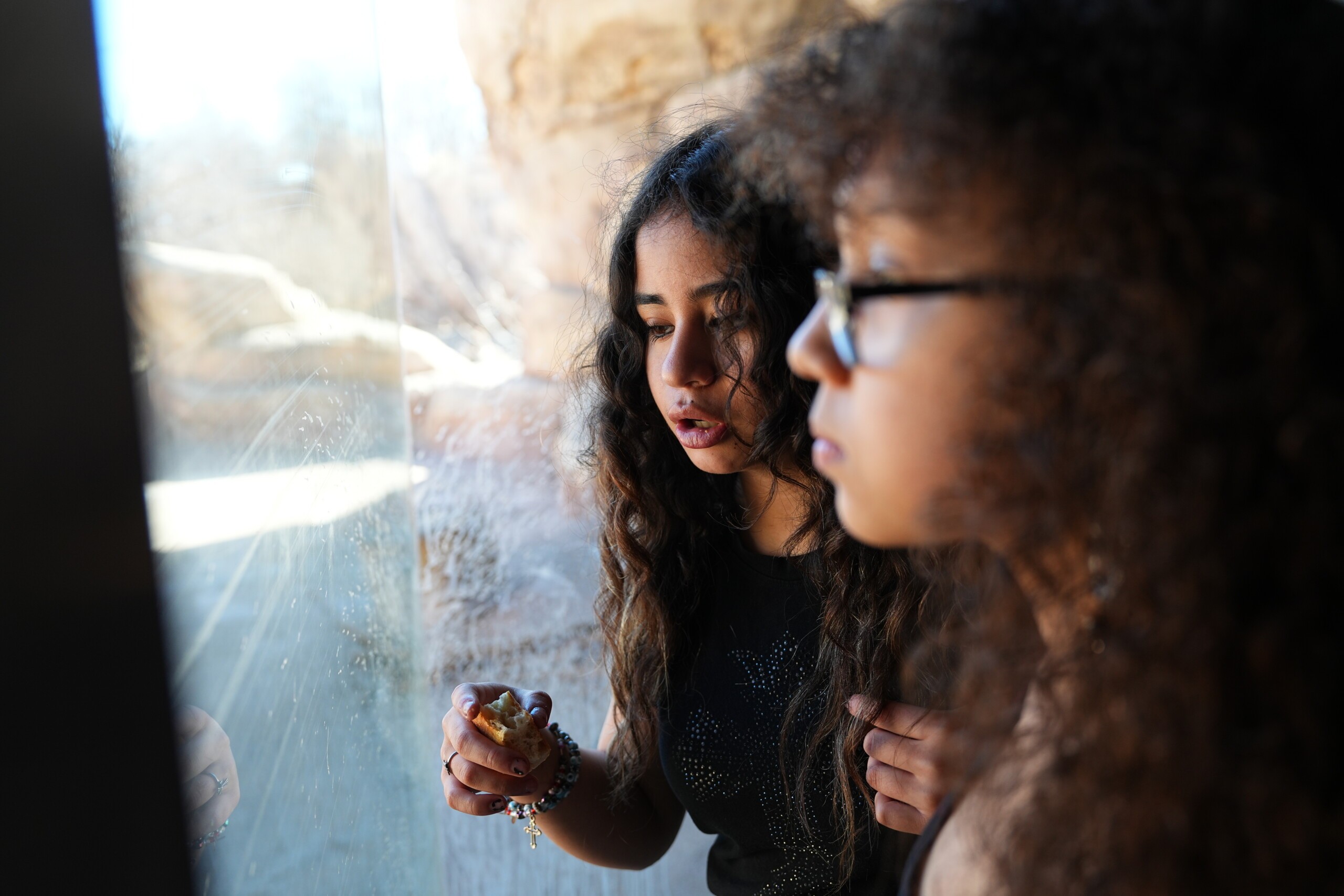
A recent site visit to La Luz, a small learning community in Colorado, provided a vivid snapshot of what these ecosystems look like in practice. Unlike traditional settings, the environment at La Luz is defined by intentionality and intimacy.
Key characteristics of this model include:
– Integration of Life and Learning: Students are not completing isolated assignments; they are engaged in real-world work, building projects, and exploring community spaces.
– Redefined Roles: Adults act less like traditional content experts and more like co-learners, guiding students through meaningful experiences.
– Blurred Boundaries: The distinction between “school” and “the real world” is thin, making learning feel natural and deeply connected to the students’ identities.
Interestingly, when state and district leaders met later that day to discuss the future of Colorado’s education, their visions mirrored exactly what was happening at La Luz. This suggests a growing consensus: the future of education is relational, relevant, and embedded in the community.
The Ecosystem Lab: Scaling Innovation Through Connection
Building these networks is notoriously difficult. Leaders are often forced to “invent as they go,” navigating complex policy, funding, and governance systems that were never designed for flexible, community-based learning.
The Learner-Centered Ecosystem Lab addresses this isolation by providing a year-long collaborative journey for leaders. Rather than offering standard professional development, the Lab functions as a design incubator. Participants remain embedded in their local work while engaging in shared reflection and testing ideas alongside peers.
The current cohort represents a diverse cross-section of the educational landscape:
* Public School Systems: Such as Tacoma Public Schools and Eden Prairie Public Schools.
* Community-Based Organizations: Like Embarc Chicago.
* Microschool Networks: Including the California Microschools Collective.
* Independent Learning Environments: Such as La Luz Education.
Designing the “Backbone” of Learning
The Lab is not just about exchanging ideas; it is about solving infrastructure challenges. Participants are tasked with designing the “backbone” that allows learning to move seamlessly across different environments.
Different communities are tackling unique design challenges:
– In Colorado: Exploring how to codify community partnerships so that local learning can deepen and scale.
– In Chicago: Strengthening systems to ensure community-based experiences are part of a coherent, long-term journey rather than one-off events.
– In Minnesota: Investigating how “community learning hubs” can bring students and educators together in interest-driven spaces.
– In California: Building the operational infrastructure necessary to sustain microschools within complex policy frameworks.
Moving from Isolated Experiments to Collective Systems
Perhaps the most significant impact of the Ecosystem Lab is the shift in mindset it creates for leaders. What often feels like an isolated, uncertain struggle begins to feel like part of a larger, national movement.
By visiting one another’s communities, leaders move beyond “best practices” toward collective sense-making. They are discovering that while their local contexts differ, the underlying patterns are universal:
1. Inclusive Vision: Ecosystems thrive when they are shaped by a broad set of community voices.
2. Intentional Coordination: Partnerships are most effective when they are organized around specific learner pathways.
3. Distributed Responsibility: The duty to support a young person’s growth expands from a single teacher to a wide network of community adults.
The challenge for modern education is no longer inventing these possibilities; it is learning how to connect, support, and grow them.
Conclusion
The transition toward learner-centered ecosystems represents a fundamental shift from isolated schooling to integrated community learning. By connecting leaders through collaborative design, we are moving from fragmented experiments toward a coherent, scalable model for the future of education.