


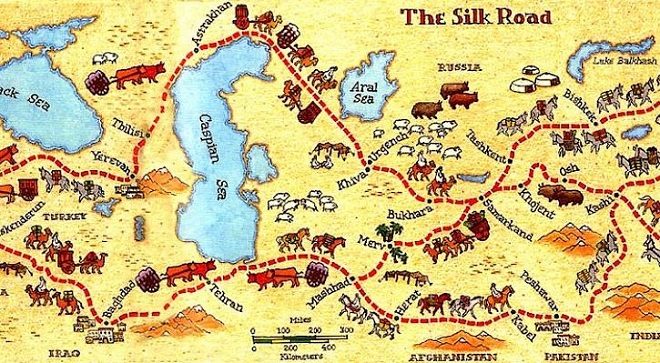
For centuries, humanity connected across continents. These connections weren’t random. They followed established routes. We call them “trade routes.” They were the veins of the ancient economy. Caravans moved along them. Goods changed hands. Today, the historical trade routes remain fascinating because they shaped our modern world more than we realize.
Three names dominate history books.
The Silk Road. The King’s Highway. The Spice Route.
Each path had its own character. Each carried specific treasures. It wasn’t just about moving boxes. It was about cultural exchange. Ideas traveled faster than goods.
The Goods That Built Empires
What made these routes so vital? The cargo.
People didn’t walk thousands of miles for common dirt. They moved high-value items. Luxury. Necessity. Wonder.
On the Silk Road, merchants traded silk. It was lightweight, expensive, and highly desired in Rome and China. But silk wasn’t alone.
Potters sent porcelain. It was fragile but priceless. Papermakers carried their craft westward. This changed how knowledge spread.
The Spice Route carried intense aromas. Cinnamon. Cardamom. These weren’t just for flavor. They were preservatives. Status symbols. Medicine.
The King’s Highway, linking Egypt to Damascus, moved different goods. Household items. Clay vessels. Tanned leather. Practicality met luxury.
Jewelry. Gemstones. Precious metals. These traveled on all three routes. They were small. Easy to hide. Immensely valuable.
Why These Routes Still Define Our History
You might think these are just old paths on a map. They’re not. They were the internet of their time. Information spread along them. Religion. Technology. Art styles.
When you trace the historical trade routes, you see how isolated cultures became global players. The Silk Road didn’t just move silk. It moved Buddhism into China. It moved gunpowder west. It moved paper to Europe.
The Spice Route didn’t just sell pepper. It funded empires. It led to the Age of Exploration. Navigators sought these routes. They wanted to cut out middlemen.
The King’s Highway was political. It was a military road as much as a commercial one. Control of this route meant control of the Levant.
How to Understand Their Legacy
You don’t need a PhD to grasp their impact. Look at what you eat. Look at what you use.
Cinnamon in your coffee? That came from the Spice Route.
Paper in your notebook? That traveled the Silk Road.
Glassware on your table? Often rooted in trade networks along the King’s Highway.
These routes created the first globalization. They proved that distance is negotiable. Commerce bridges gaps.
The goods listed above—silk, spices, paper, porcelain—were the drivers. But the real commodity was connection.
Think about your last international purchase. You’re participating in a tradition millennia old. The method has changed. The core remains.
We still follow the paths laid down by ancient merchants. The roads are paved now. The vehicles are faster. But the motivation? It’s the same.
What else would you move if you could?

Trading wasn’t easy in the old days.
We take flight for granted now. A quick hop across oceans. Back then? Caravans moved goods on camel and horse back. These journeys were slow. Dangerous. Exhausting.
That’s why nations fought to control these paths. Control the route, control the economy. History shows us this repeatedly. The powers that dominated trade networks were the wealthy ones. Period.
Where Did Trade Route Names Come From?
These weren’t just random dirt paths. They were established corridors used to move goods. Merchants bought products in one country and shipped them home. Or they took local wares to sell abroad. The route was the link.
The names? They tell you exactly what was moving.
Take the Silk Road. It stretched from China, through Anatolia, all the way to Europe. Why that name? Because silk fabrics dominated the cargo. It wasn’t just silk, though. Other textiles traveled it too. The name stuck because silk was the premium good.
Then there’s the King’s Road (or Royal Road). Named after the King of Lydia who had it built. Simple. Direct.
And the Spice Route. Obvious enough. It carried spices. Precious, heavy, valuable spices.
It’s About the Cargo
You might wonder why we still talk about these routes today. It’s not just history class trivia.
The naming convention reveals the economic engine of the time. A route named after its primary commodity tells you what the world valued.
- Silk Road : High-value textiles. Luxury.
- Spice Route : Flavor. Preservation. Medicine.
- King’s Road : State infrastructure. Security.
Each name reflects a specific type of trade. And each route shaped the cultures it touched. You don’t get silk without moving people. You don’t get spices without moving ideas.
Think about it. What’s the main export from your country right now? The route names of the future will be based on that.
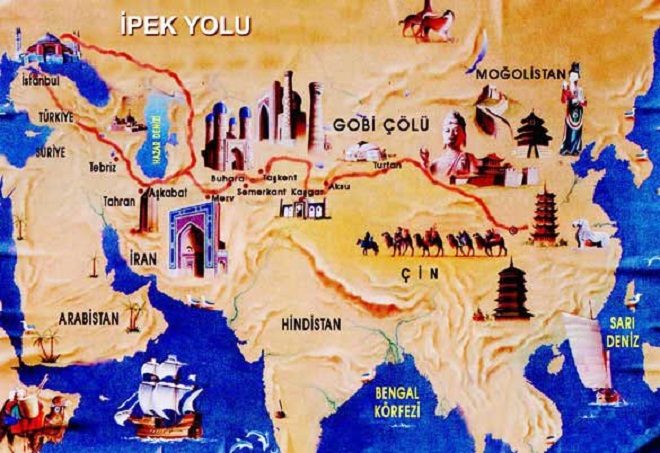

Ancient Trade Routes That Shaped Civilizations
You might think of trade routes as just lines on a map. They were more like the arteries of history. These paths didn’t just move goods. They moved ideas, diseases, religions, and power. Understanding them explains why cities exist where they do today. And it explains why some nations rose while others faded.
Let’s look at the specific networks that defined the ancient world. Each had a different cargo. Each shaped the cultures along its spine.
The Silk Road: Connecting Empires
The most famous of them all. The Silk Road linked China to the Roman Empire. It wasn’t a single road. It was a sprawling web of caravan tracks across deserts and mountains.
“Silk was the primary export, but Buddhism, paper, and gunpowder traveled these same dusty trails.”
Goods moved slowly. A journey could take years. But the profit margins were massive. Chinese silk arrived in Rome as a luxury status symbol. In return, Rome sent glass, gold, and wool. The exchange changed diets, fashion, and warfare across Eurasia.
The Spice Route: Maritime Power
While the Silk Road was land-based, the Spice Route was all about the sea. It connected the East to the West via maritime paths.
This wasn’t about comfort. It was about preservation and flavor. Spices like pepper, cinnamon, and cloves were worth their weight in gold in Europe. They masked the taste of spoiled meat. They had medicinal properties. European powers fought wars over these routes. Control of the Spice Route meant control of global wealth for centuries.
The Incense Route: Scent and Ritual
Less talked about, but incredibly important. The Incense Route ran from the southern tip of the Arabian Peninsula—modern-day Yemen and Oman—north to Jerusalem.
The cargo? Myrrh and frankincense. These resins were harvested from trees. They were dried in the sun. Then shipped. Used for religious rituals, perfumes, and embalming. The demand was so high that the cities along this route, like Petra, became incredibly wealthy. They taxed the caravans. They controlled the flow of scent.
The Amber Route: Stone and Medicine
Going north, the Amber Route stretched from the Baltic countries down to Egypt. It has been in use since 3000 BCE.
Amber wasn’t just pretty. It was valuable. It was used for decoration. It was also used in medicine. Traders moved these precious stones across Europe. This route connected northern Europe’s resources to the Mediterranean’s markets. It shows how early trade was driven by both aesthetics and health.
The Tea and Horse Road: A 10,000 Km Trek
This route covers roughly 10,000 km. It starts in China. It winds through Tibet. It reaches India. It’s rugged. It’s stormy.
The name says it all. Tea went up. Horses came down. Chinese tea was vital for Tibetan health. Tibetan horses were prized by the Chinese military. This exchange created a cultural and economic bond between these regions that still influences their relationships today.
The Salt Route: Preserving History
Salt is the unsung hero of trade. The Old Salt Route in Germany ran 100 km from Lüneburg to Lübeck on the northern coast.
Why salt? Because fish rots. Without salt, you can’t transport protein over long distances. This route supplied salt to fishing fleets moving from Germany to Scandinavia. It preserved food. It fed populations. It built economies. Without salt, medieval trade would have collapsed.
The Trans-Saharan Route: Gold and Slaves
This wasn’t a single path. It was a vast network across the Sahara Desert. It connected North Africa to West Africa.
The goods were heavy. Gold from West Africa. Salt from the north. They were traded for clothes, books, and yes, slaves. This route facilitated the spread of Islam into West Africa. It created wealthy empires like Mali and Songhai. It also facilitated the transatlantic slave trade later on. The human cost was immense. The economic impact was profound.

