Smell is a primitive alarm system. We hate it. Rotting flesh signals bacterial infection, and our instincts scream to run.
But insects? They hear the party.
They see the stench and think: Eggs. Here.
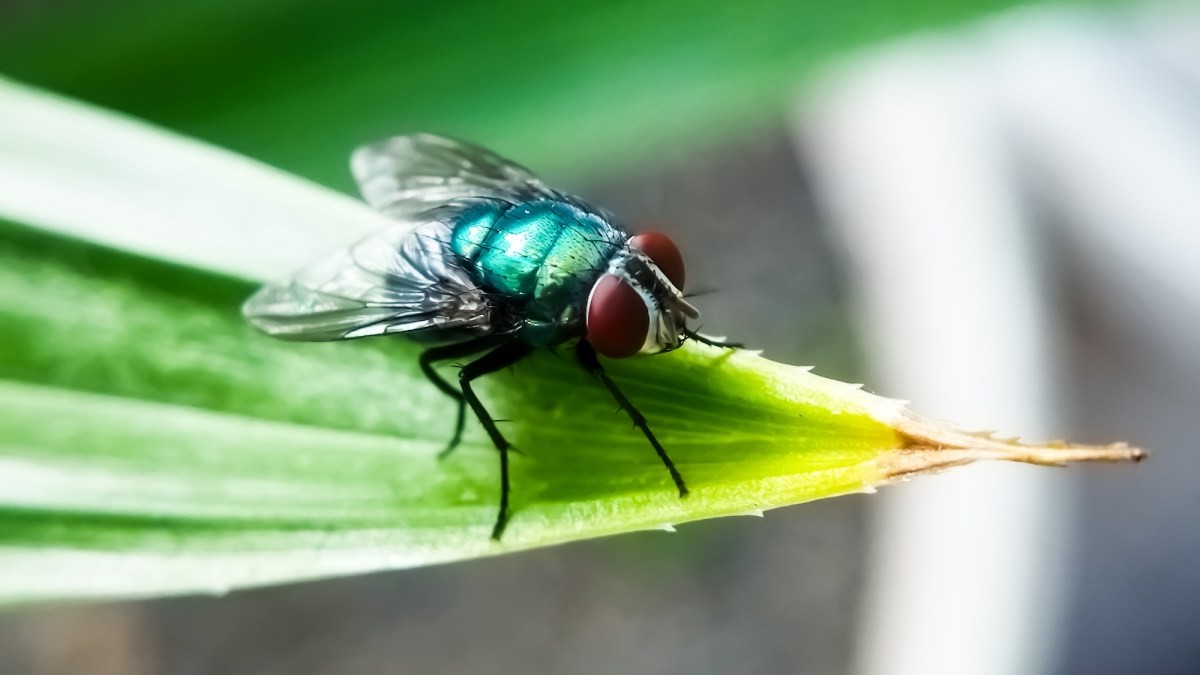
Jessica Metcalf, a microbial ecologist, explains it plainly. Humans use those foul odors as warning signs. The flies use them as GPS coordinates for breeding. Specifically, the New World screwworm fly (Cochliomyia hominivorace ).
It’s back in the U.S., and it’s hungry for living tissue.
Why the Screwworm Returns
The New World screwworm isn’t just any pest. It’s an invasive, cow-killing machine. The fly seeks open wounds on warm-blooded animals. Cattle. Sheep. Goats.
Eggs hatch into maggots. They don’t eat dead tissue. They eat living tissue. It’s deadly.
Ecologists eradicated them from the continental U.S. by traps in 1966. Sterilization techniques worked. For decades.
Then funding evaporated.
DOGE cuts dismantled the defense plans in southern Mexico. The flies crossed back north. Texas confirmed new cases in June for the first time in 50-plus years. New Mexico followed. Within weeks, livestock and dogs were infected.
The gap in surveillance was fatal. We stopped looking, so they came back.
The Identification Problem
Monitoring is step one. But the current method is flawed.
Traps use bait lures mimicking rotting meat. It attracts everyone. Including the secondary screwworm.
That cousin fly is less dangerous. It eats dead meat. It’s common. And it clogs the traps.
When conservationists pull a trap, they can’t tell if it’s the lethal New World screwworm or the benign relative. False positives waste time. False negatives let the killer breed.
Metcalf’s team knows this creates a blind spot. You can’t kill what you can’t distinguish.
A Smarter, Stranger Lure
The solution? Make the bait specific to the killer.
Instead of general rotting meat scents, Metcalf’s team is building traps that smell only of living wounds.
How? By identifying volatile organic compounds unique to bacterial activity in fresh wounds.
The science borrows from forensic pathology. Investigators use decomposition ecology to estimate time of death. They know which bugs arrive first and what bacteria are present.
Metcalf uses that same logic.
“We can also leverage decomposition ecology… to improve surveillance and control,” Metcalf says.
The lure targets two signals. First, the bacteria present only in living tissue. Second, the scent the fly itself carries to invite others to feed.
Pinpoint those microscopic cues, and you divert the flies away from livestock and into the trap. It’s precise. It’s chemical warfare guided by biology.
The Real-World Stakes
This isn’t theoretical. The team spent 15 years studying insect-bacteria-decomposition relationships before the resurgence hit. They were ready.
But readiness doesn’t equal success without resources. The initial return in Mexico and the subsequent jump into the U.S. highlights how fragile pest control is. Funding cuts don’t just save money; they open borders for pests.
The strategy works by exploiting the fly’s own instincts against it. The fly wants to eat. The fly wants to breed. We offer a meal it can’t resist, tailored with the exact bacterial perfume it seeks.
It’s a race. The flies are moving faster than the bureaucracy. But if the traps can accurately identify the New World screwworm versus its harmless cousins, monitoring becomes effective. And if monitoring is effective, sterilization and trapping can work again.
We eradicated them once. We lost the habit. Now, we’re learning to listen to the smell again.
Just not the part we want to inhale.