It was supposed to happen last Friday.
Something else did instead. An emergency response team arrived at SpaceX’s Texas base. A contractor fell. The person didn’t survive.
OSHA opened an investigation. The Wall Street Journal reported it. Social media showed the ambulances parked outside Gigabay—the place where they build and maintain the rockets. Coincidence? Maybe. Cause? We don’t know yet. SpaceX stayed quiet on the matter.
They moved the date to May 19 first. Then that slipped too. Now it’s May 21. Watch for the launch no earlier than 6:30 PM EDT. They’ll stream it live if they make it.
The Clock is Ticking
NASA doesn’t like delays.
SpaceX’s Starship isn’t just a tech demo anymore. It’s a piece of the puzzle for the 2028 moon return. The agency wants Starship to ferry astronauts from lunar orbit to the surface. They even want a rendezvous test with the Orion capsule in 2027 here in Earth orbit.
But the paperwork says they are behind.
A federal watchdog flagged the slippage back in 2025. The core issue? SpaceX still hasn’t proven the rocket can safely bring humans to the moon and back. Not once.
“It’s seriously behind schedule.”
Meets V3
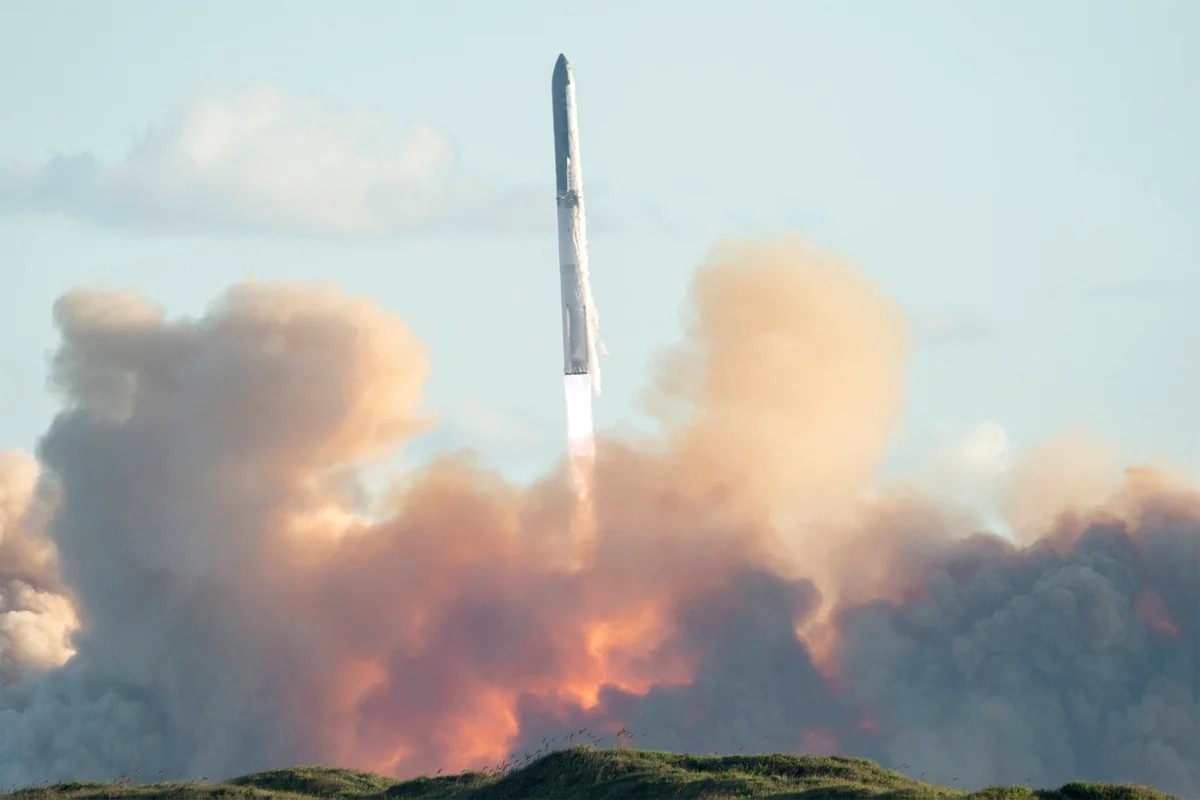
This is test flight number twelve.
The hardware is new. It’s V3. Taller than the old versions. Forty-seven feet of steel and ambition (wait—407 feet. Let’s not exaggerate). One hundred and twenty-four meters when stacked.
The goal? Lift more than 100 metric tonsto orbit. Make it fully reusable. Do it safely.
The past wasn’t great for consistency. Most of the first few attempts ended in fire or disintegration. Sure. The last two worked. But readiness isn’t the same as potential. This flight won’t even reach orbit. It’s suborbital. A checkup.
If the hardware holds.
If it doesn’t…
The window closes again. And the moon gets a little farther away. 🚀