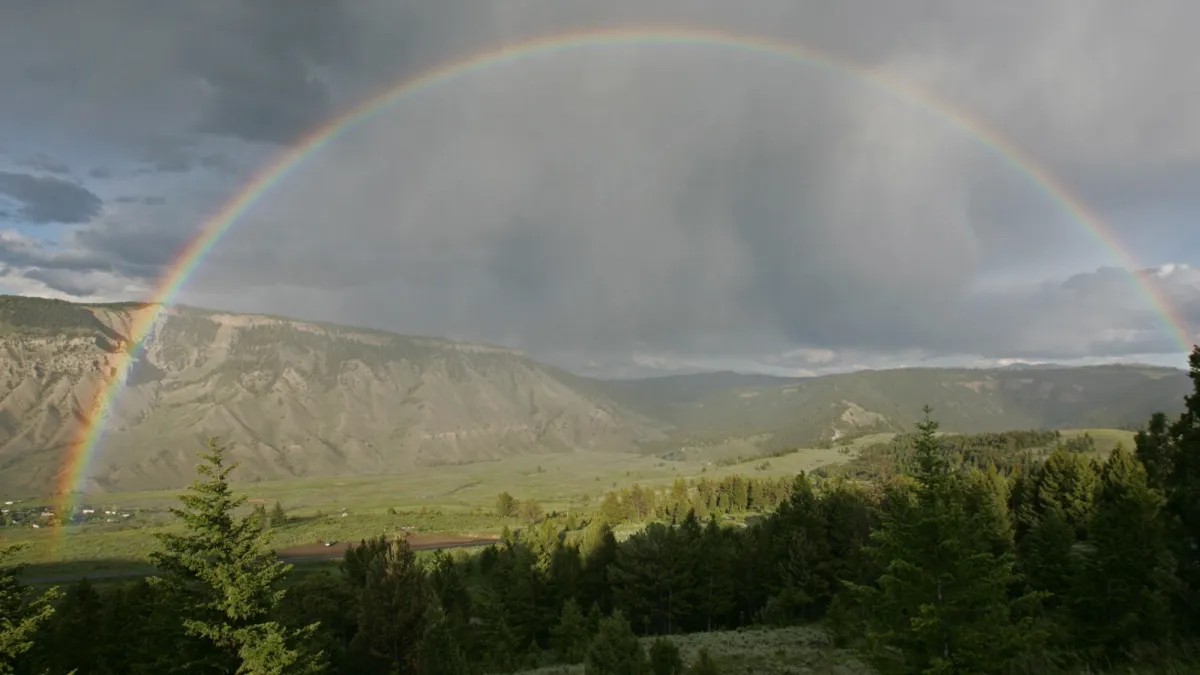
Last year, nearly 4.8 million souls invaded Yellowstone. It makes sense. Two-point-two million acres spread across three states, holding half the Earth’s active geysers and enough wildlife to fill a documentary season. You go there for the Grand Canyon of the Yellowstone or just to see something wild.
Now, ahead of the summer 2026 crush, the park authorities have dropped some advice. Ten specific steps. Not just rules. Survival mechanisms, almost.
Here is how to handle the heat without losing your mind.
Skip the reservation, bring the patience
You do not need a reservation to cross the gates. That is one nice thing about this place, unlike some over-hyped resort towns where you need an appointment to buy bread. You just need an entrance pass.
Summer? That is different. The place packs tight. Bring patience. It is as necessary as the bear spray you are supposed to carry anyway. Lines happen. They happen often.
Check if the roads are actually open
Mid-April through early November, personal vehicles usually have the go-ahead on park roads. “Usually.” The weather does not care about your calendar. A sudden dump of snow in August will close everything down. Check the app. Check the site. Do it before you drive four hours in the wrong direction.
Plan. Just plan.
This isn’t a spontaneity vacation. Campgrounds require booking. Lodging requires booking. Often months out.
Service hours shift with little notice. Fishing permits? Verify those. Weather? Double check it. The infrastructure is there, but it is not seamless. It requires effort on your end.
Wild animals are dangerous. Period.
Yellowstone is a magnet for wildlife lovers. You see them everywhere. Bison chewing cud on the median. Elk staring at you with dead, glassy eyes. This is the draw.
But they are not mascots. They are killers if you forget the scale. Keep 100 yards away from predators—bears, wolves, cougars. Do not test this. For everyone else? 25 yards minimum. Bison? Elk? Give them that space too.
All of Yellowstone is bear country. Not some of it. All of it. Carry spray. Know how to deploy it before a paw connects with your chest. Review the safety guidelines. It is boring. It also saves your life.
Drive like a civilized human
Speed limits exist. Use them. When you want to look at a bear or snap a photo, use the designated pullouts. Do not brake-check the highway for a snapshot.
Parking has rules, too. Get all four tires to the right of the white line when you pull over. Stopping in the middle of the asphalt creates gridlock and anger. Nobody wants anger at 9,000 feet.
The boardwalks will keep you alive
Stay on them. The wooden paths. Do not step off. People have fallen in. People have died. The ground above these thermal features is thin, crusty skin over a boiling inferno. One misstep and you plunge into 200+ degree Fahrenheit water. There is no dramatic movie scene where you are saved. Just pain. Stay on the wood.
Get the app, then ignore it
Download the National Park Service app before you lose signal. Get the offline maps. The interactive tours, accessibility notes, and maps are solid tools for enhancing the day.
Expect silence. Connectivity is spotty. Maybe non-existent. That is part of the experience. Do not count on a text save. That downloaded map? That is your safety net now.
Weather is a liar
It can be 90 degrees and snowing. In May. It can be hot in December. Temperature swings are violent here. Rain? Snow? Heat? All possible. Bring layers. A warm jacket. Rain gear. Check conditions right before you roll. Trusting yesterday’s weather report is a rookie mistake.
Look sideways
You do not have to just stare at the road or the geysers. Ranger programs add context. The Yellowstone Tribal Heritage Center offers a history often missed in the guidebooks.
Junior Ranger program is free, too, if you have kids. Or just want a sticker. Branch out. The standard loop is famous for a reason. But there is more depth if you dig a little harder.
Are you really just passing through?