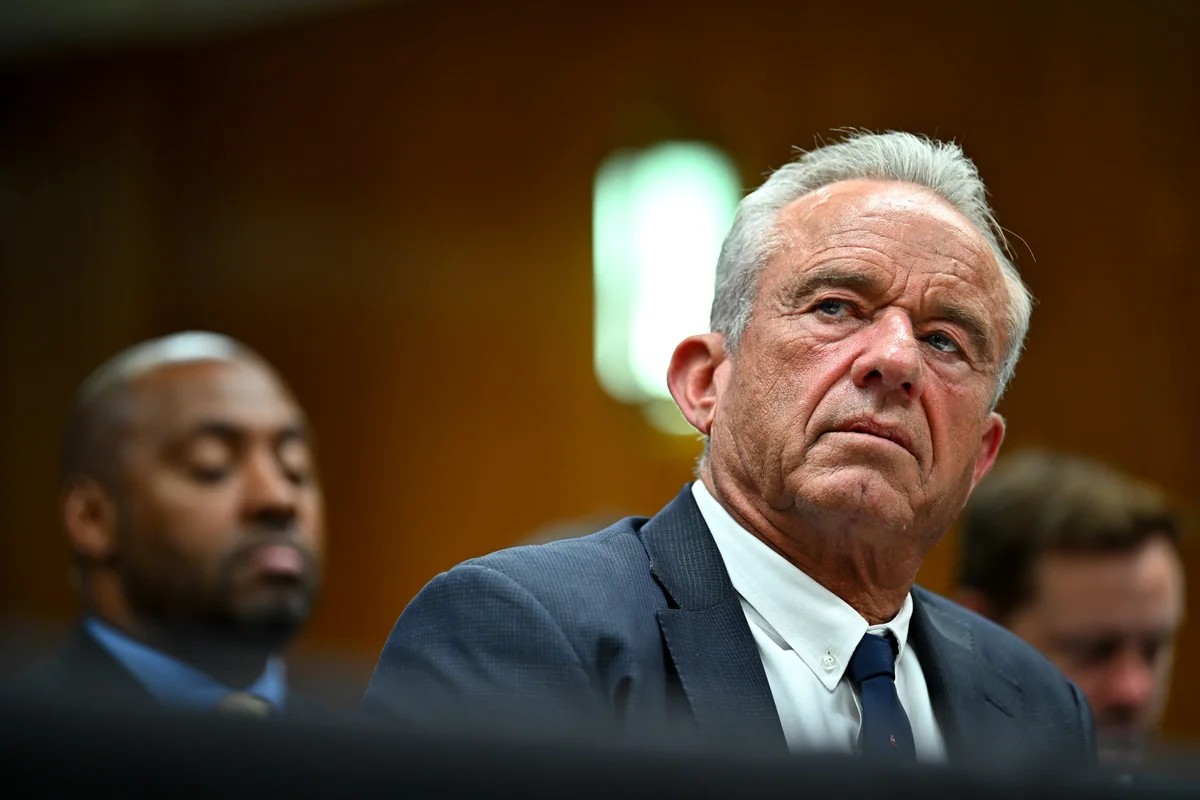
Robert F. Kennedy Jr., the Secretary of Health and Human Services (HHS), has signaled plans to significantly restructure the U.S. Preventive Services Task Force (USPSTF). During a recent Senate Finance Committee hearing regarding the Trump administration’s 2027 health budget, Kennedy characterized the current committee as “lackadaisical and negligent,” indicating a move to change how the government advises clinicians on preventive care.
The Role of the Task Force
To understand the weight of this proposal, it is essential to recognize what the USPSTF does. This independent body provides the evidence-based recommendations that dictate:
– Clinical Guidelines: It advises doctors on when patients should receive screenings, such as mammograms, colonoscopies, and blood pressure tests.
– Insurance Coverage: Most importantly, the task force’s recommendations serve as the legal basis for what insurance companies—including Medicaid and private insurers—are required to cover without cost-sharing.
Changes to this group do not merely affect medical advice; they directly impact healthcare affordability and access for millions of Americans.
Proposed Reforms and Composition
Kennedy’s plan for reform focuses on two main pillars: diversifying medical expertise and increasing transparency.
Expanding Medical Representation
Kennedy argued that the current committee fails to adequately represent various medical specialties. In response, the HHS is reportedly seeking nominations from a broader range of specialists, including:
– Oncologists
– Anesthesiologists
– Other key clinical disciplines.
While Kennedy has stated he is seeking new members and has already received resumes, it remains unclear whether he intends to replace existing members entirely or simply expand the group.
Addressing Transparency and Delays
Lawmakers raised concerns regarding the committee’s recent inactivity. It was noted that many of the task force’s scheduled meetings for the previous year were postponed indefinitely and have not yet been rescheduled. Kennedy acknowledged that he had “not done a good job” in resolving these delays but pledged to restore a regular meeting schedule and increase transparency in how the group operates.
Political and Legal Friction
The proposed shake-up has already drawn scrutiny from both sides of the aisle:
- Clinical Reliability: Senator John Barrasso (R-WY), a physician, questioned whether Kennedy has a concrete, serious plan, noting his long-term reliance on the task force’s existing recommendations.
- Medicaid Funding: Senator Tina Smith (D-MN) raised concerns regarding recent tax bill cuts to Medicaid, questioning how these cuts might affect access to essential screenings like mammograms. Kennedy countered that no Medicaid-enrolled individuals are losing coverage, while several Republican lawmakers suggested that healthcare fraud is a primary driver behind the budget adjustments.
A Pattern of Restructuring
This move follows a similar pattern of intervention by Kennedy earlier this year. Last summer, he attempted to overhaul a key vaccine advisory panel at the CDC by replacing its members. However, those appointments and subsequent changes to the childhood vaccine schedule were blocked by a judge.
The tension surrounding these reforms highlights a fundamental debate: whether the federal government should move toward more diverse, specialized representation in medical advisory roles, or whether such interventions risk undermining established, evidence-based clinical standards.
Conclusion
Kennedy’s push to reform the USPSTF marks a significant attempt to reshape the foundation of preventive medicine in the U.S. The outcome of these changes will likely determine the future of how medical screenings are recommended and, crucially, who pays for them.