Chaos in Congo. Uganda, too. Global health officials are scrambling. The virus is Bundibugyo. A rare beast. No vaccine exists for this specific strain. Death rates hover between 25 and 50 percent. Over 130 people have died so far. Hundreds more sick. One American.
The WHO calls it a “public health emergency of international concern.” Scary words. They don’t lie, either. Uncertainties abound. But pause. Do we panic? Not really. Experts say the risk of a global pandemic is low. Very low. For Americans, at least.
Amesh Adalja gets straight to the point. He’s with Johns Hopkins. Not every bug starts a firestorm.
“Not every pathogen has the capability to cause a pandemic. People think it’s either zero risk or total pandemic. That’s false.”
Most emergencies fall somewhere in the middle. Important? Yes. Apocalyptic? No.
The problem in the DRC isn’t just the virus. It’s the war. Conflict rages in remote regions. More than 100,0,000 displaced in 2025 alone. Health workers? They can’t go in. It is “very unsafe.” Jeanne Marrazzo knows this. Former head of the NIAID. Current head of the Infectious Disease Society. She says access is blocked.
One doctor made it out. Peter Stafford. A missionary in the DRC. He got infected. Evacuated to Germany. They’ve handled this before.
In the US? No cases. Risk? Low. The government banned travelers from three African countries. A blunt tool. Effective enough, they think.
Why so confident? The biology helps us.
Ebola spreads through bodily fluids. Blood. Vomit. Diarrhea. Gross, inefficient transmission. Not airborne. Not like the flu. Not like SARS-CoV-2.
You don’t catch it from a stranger passing on the subway. You catch it from direct, heavy contact. And only after symptoms start.
Jeanne Marrazzo is clear on this.
“It is not a subtle airborne infection you can get from presymptomatic people.”
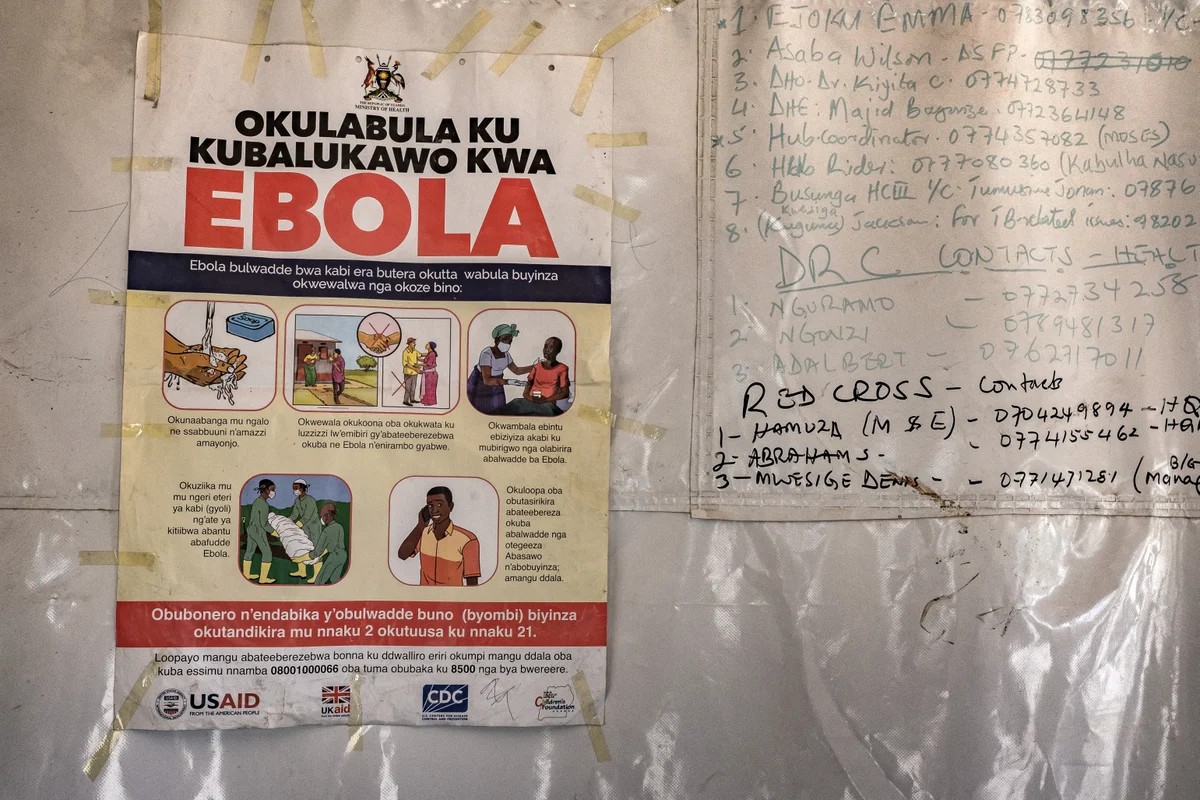
Respiratory viruses kill more because they hide. They spread before you sneeze. Ebola announces itself. Fever. Aches. Bleeding. The Bundibugyo strain takes 2 to 21 days to show up. No zombie mode.
“Vanishingly unlikely this causes a World War Z epidemic.”
History backs this up. The 2014 outbreak was huge. 28,00 infected. It took two years. But it was contained. Different strain, sure, but the mechanics of control remain the same. Bundibugyo? Only two other outbreaks since 2007.
It’s an epidemic disease. Massive regional impact. Global pandemic? Unlikely.
So, should you worry?
Marrazzo says the risk is “theoretical.” Extremely low. Not nonexistent, but tiny.
Be alert. Look around. See someone vomiting blood? Stay back. Wash hands.
Honestly? You are far more likely to pick up norovirus on your next vacation. Or catch a cold. Wear a mask. Scrub your hands. Those actually help here.
Adalja’s warning echoes Marrazzo’s.
Don’t obsess over the ghost of a threat. Focus on what kills us every day.