It isn’t about the cables themselves. It is the boats that fix them.
Tehran’s pressure campaign has shifted from oil tankers in the Strait of Hormuz to the digital nervous system running beneath the waves. In May Iranian officials floated plans to tax fiber-optic repairs in the strait. They even suggested handing maintenance control to local firms. The move seems threatening. It is not.
These cables carry less than 1 percent of global international bandwidth. TeleGeography, a research firm, points this out. The network routes around failures. It shrugs off routine breaks.
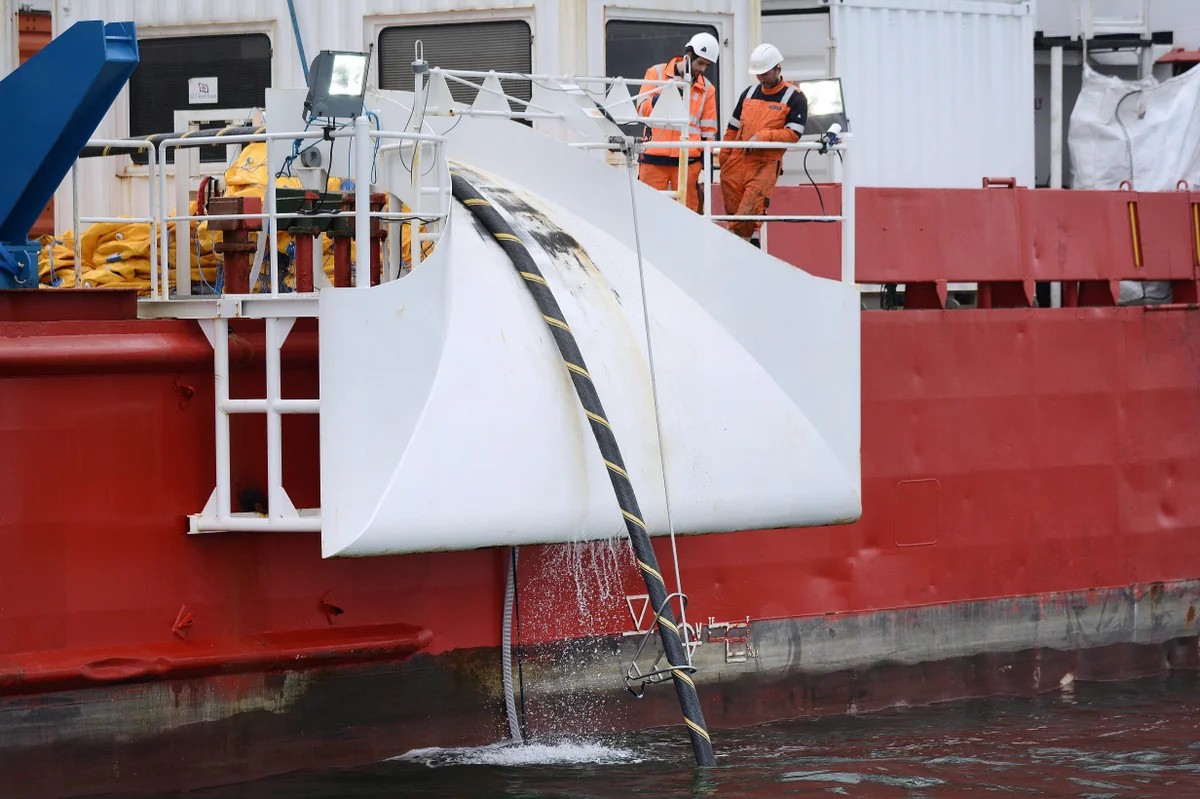
But the repair ships? They are old. They are few. They are vulnerable.
The seafloor internet has built-in slack for damage. Its repair system does not.
Buying a Mercedes Without Insurance
The industry spends $4 billion to $5 billion annually now. That is double the spending from a decade ago. Mostly on building new cables.
“We have a lack of investment in maintenance ships. It is like buying a Mercedes without insurance.”
Mike Constable from Infra-Analytics says the logic is flawed. You invest heavily in the asset. You put almost nothing into protecting it. Some ships sit in the Pacific. They perform two repairs a year. Then they wait. Meanwhile other regions face heavier demand and empty dockyards.
Why fix a ship if it barely works?
The global fleet counts roughly 60 specialized vessels. Fewer than 20 dedicate themselves solely to repairs.
Fishing nets. Anchor drops. Human error.
The International Cable Protection Committee logs 150 to 2,000 faults a year. Seventy-eight percent of them result from ships dragging anchors or trawlers getting caught. It is messy. It is mundane.
Replacing a segment looks easy on paper. Locates the break. Splice in a new piece. Test. Drop it back down. In practice crews hold position for days. Sometimes right next to a warzone. Right now only one repair vessel operates inside the Persian Gulf.
One boat. For an entire volatile region.
An Aging Fleet of Second-Hand Vessels
Half the global fleet will reach the end of its service life by 2040.
Constable co-authored a TeleGeography study that spells this out. Nearly two-thirds of the maintenance ships face retirement. Many were not designed for this work. They are construction barges converted from oil rigs. Secondhand. Patched up.
By 2030 a quarter of all cable kilometers worldwide need replacing.
At the same time over a million kilometers of new cable are slated for the Pacific and Atlantic. Including dozens of routes near the Middle East. We are laying new highways on crumbling roads.
Who fixes it?
The busiest repair zones rarely make headlines. Southeast Asia draws most attention. Shallow waters in the South China Sea crowd with trawlers. Mudslides damage lines too. Seabed mining looms as a future threat.
“If it is high-risk. Go around it.”
But you cannot always go around. You need permits. Sheryl Ong heads Asia operations for Global Marine. Getting a government to say “yes” can take a month.
“Sometimes permitting takes longer than the repair,” she says.
By then the crisis might be over. Or it might have exploded.
Geopolitics and Ground Targets
Security worries grew after 2022. Russia invaded Ukraine. The Nord Stream pipelines were sabotaged. The Baltic Sea saw disruptions. Then came the Red Sea.
In 2024 Houthi militants struck a commercial ship. It sank. Cables snapped. Repairs delayed for months. Governments argued over lawfulness and safety while the internet bled.
Companies try burying lines in shallow water. It helps. An anchor can still tear through dirt and rock.
In the Hormuz cables cluster tightly together. Iran could theoretically cut off connectivity to Kuwait or Qatar. The problem.
Iran’s own networks would die too.
It is a symmetric risk. Not very smart for Tehran.
Constable argues the real target lies elsewhere.
On land.
Cable landing stations sit on coastlines. Exposed. Easy to hit with drones. No risk of collateral damage to Iran’s own data feeds. No need for expensive ships in dangerous waters. Just fire missiles at the beach.
The undersea network is robust. The connections at shore? They bleed.
The question isn’t if they will strike.
It is just how hard we hide.