The Persian Gulf’s strategic importance – and its vulnerability to disruption – is not simply a matter of geopolitics. It’s a direct consequence of ancient tectonic forces that created both the region’s vast oil reserves and its narrow, easily blocked Strait of Hormuz. Roughly one-fifth of the world’s oil and gas transit this chokepoint, making any closure a severe threat to global energy markets.
The Collision That Built the Middle East’s Wealth
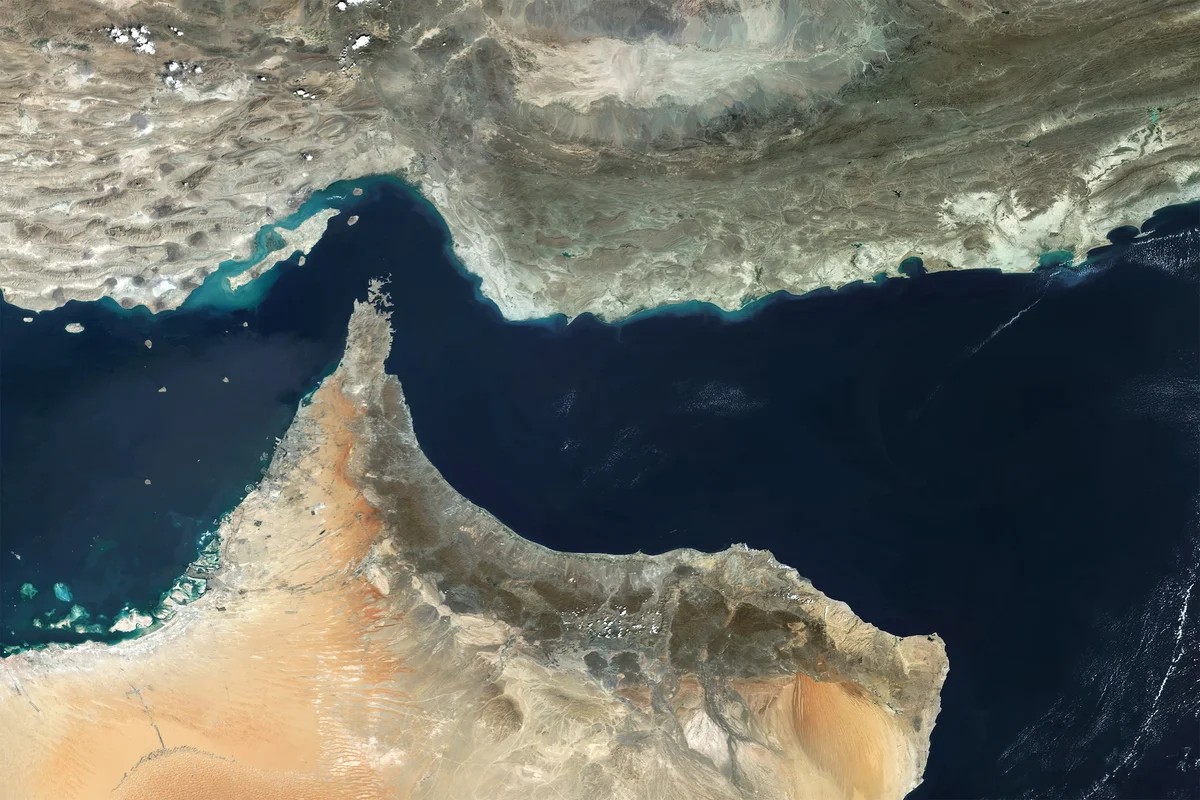
Iran’s unique position is the result of a long-term geological process: the collision between the Arabian and Eurasian tectonic plates. This ongoing crash, which began around 30 million years ago, buckled the Earth’s crust, forming the Zagros Mountains. This folding created a “foreland basin” – a depression in the crust – that became a perfect trap for massive deposits of hydrocarbons. Simultaneously, this basin filled with water, forming the long, narrow Persian Gulf.
This geological configuration explains why the Middle East holds an estimated 12% of the world’s oil reserves. The region’s ancient seabed accumulated layer upon layer of organic material, which transformed into oil and gas under intense heat and pressure. Porous rock structures trapped these fuels, while impermeable caprock sealed them in place.
A Narrow Strait, A Global Risk
The Strait of Hormuz itself is a product of this continental collision. The Musandam Peninsula, a rigid geological formation, further constricts the Gulf to just 55 kilometers wide at its narrowest point. This bottleneck isn’t accidental; it’s the result of the Arabian plate pushing against Eurasia, forcing the land to bend like a kink in a hose.
The strait’s narrowness means tankers have little room to maneuver, and the proximity to Iran makes it a flashpoint for conflict. The geology doesn’t just explain where the oil is; it explains why it’s so vulnerable.
The ongoing movement of the plates – currently around 20 millimeters per year – continues to shape the region, triggering earthquakes and reinforcing the geological forces that created this precarious situation.
The Strait is “ultimately there because of the geology, but the impact on humans at this present time is that you’ve got a marine bottleneck.” – Mark Allen, Durham University.
The combination of vast energy resources and a constrained maritime exit means the Persian Gulf will remain a critical, and potentially unstable, part of the global energy landscape for decades to come.