


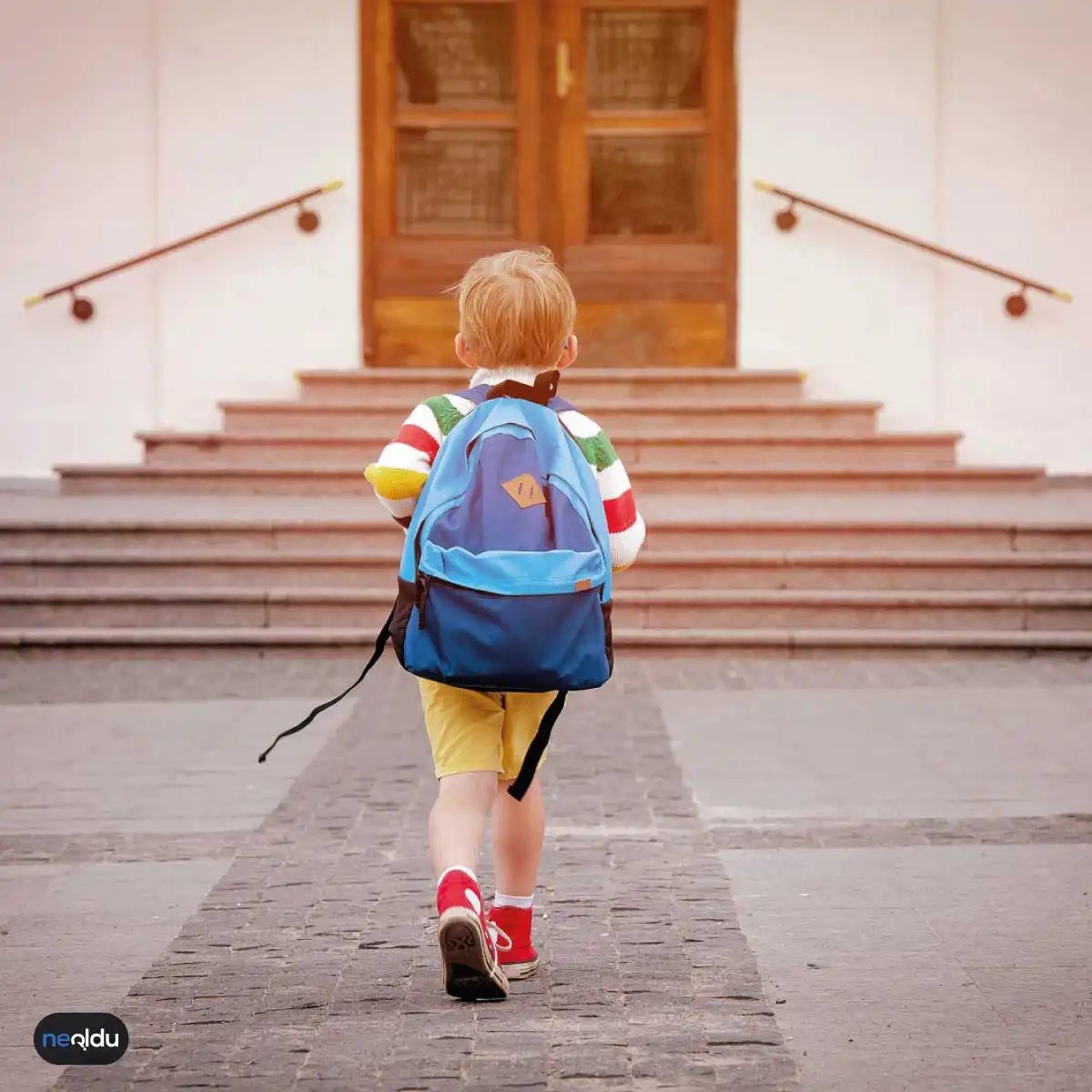
School isn’t just about ABCs. It’s a shock. For a kid used to home, the sudden shift to bells, rules, and strangers can feel like an invasion. Experts keep saying it. Kids need “school maturity” before day one. Not intelligence. Maturity. If they have it, they breeze through the early hiccups. Without it? Chaos.
So how do you build that readiness? It’s not about cramming facts. It’s about nerves.
Why Conquering School Fear Matters First
Fear kills curiosity. If your child is terrified of the unknown, they won’t learn. They’ll survive. That’s a low bar.
The first step isn’t teaching them to read. It’s teaching them not to panic.
“School maturity helps children overcome most school-related problems in a short period of time.”
Think about it. A calm child adapts. A scared child shuts down. You want the former.
Here is how you start dismantling that fear:
- Talk about the good stuff. New friends. Cool art projects. The playground. Don’t mention the strict teacher yet. Build the hype.
- Visit the school. Walk the halls. See the classroom. Make it familiar territory, not a dungeon.
- Practice separation. Start small. Leave them with a grandparent for an hour. Then two. Build tolerance for being apart from you.
It feels counterintuitive. You want to protect them. But protecting them from fear means feeding the fear. You have to let them face it, gently.
Do you think they’re ready? Maybe. Maybe not. But you’ll know if you start this process now.
Why gentle separation beats the dramatic goodbye
You are loved. Missed, even. That first week of school? The tears are normal. Not a crisis. Just biology meeting a new routine.
But here is the catch. If it drags on, it becomes a habit. Habits harden into anxiety. Anxiety spills into other areas of life. You don’t want that. You want a kid who trusts the world, not one who clings to your leg.
So what do you do? You act consciously. Not with force. With strategy.
2. Encourage your child to take the first step
Pushing works less than pulling.
Think about it. When you hover, you signal danger. When you step back, you signal safety.
Confidence is built in small doses.
Start small. Drop them off at the gate, not the classroom. Wave from a distance. Let them see you staying nearby but not interfering. This is how you build independence.
Why does this matter? Because every time they walk through those doors alone, their brain rewires. I can do this. That thought is powerful. It sticks.
How long should you stay? Ten minutes. Maybe five. Depends on the kid. Watch their body language. If they stop crying after three minutes, leave. Don’t wait for silence. Wait for engagement.
Which approach works best? Consistency. Same drop-off spot. Same phrase. Same calm demeanor. Predictability reduces fear.
Is it hard? Yes. Your heart aches. You want to rush in. Don’t. Breathe. Trust the process.
What if they scream? Stay calm. Hand them to the teacher. Walk away. Do not look back. Looking back tells them you doubt the safety of the environment. Doubt breeds more crying.
This isn’t abandonment. It’s empowerment.
You are teaching them that the world is safe. That they are capable. That you are always there, just outside the frame.
And one day, they won’t even notice you leaving.
Lack of self-confidence drives school anxiety. It’s that simple. If a child doesn’t trust themselves, the school building feels like a threat rather than a place to learn.
You can fix this before the first bell rings.
Give preschoolers small responsibilities. Let them do things. This builds internal trust. If you raise a child who depends on you for every single decision, you aren’t helping them. You’re crippling their ability to cope. They need to know they can handle small tasks.
Teach them some school lessons early. Not just theory. Practical application. If they can actually do the work—write their name, count objects, follow a simple instruction—they walk in with confidence. They know they belong there.
Identify the Essential Supplies for School Preparation
Don’t guess what they need. List it out.
This isn’t just about buying crayons. It’s about creating a sense of readiness. When a child sees their own bag, their own pencil case, their own water bottle, it signals ownership. They are prepared.
Which items matter most?
- A durable backpack. Comfort matters. Heavy bags create physical stress, which feeds emotional stress.
- Label everything. Names on jackets, boxes, utensils. Losing things causes panic. Finding them builds competence.
- Specific learning tools. If the school requires a certain type of glue or scissors, get it. Exactness reduces uncertainty.
Why does this matter for anxiety?
Uncertainty breeds fear. When a child knows exactly what they have and where it is, the unknown shrinks. The world becomes smaller. Manageable.
Confidence comes from competence. Competence comes from preparation.
Don’t overload them. Too many choices paralyze a nervous kid. Pick the basics. Stick to them. Let them organize their own small space. A desk. A shelf. A drawer.
They need to see order. They need to create it.
What happens when they can’t find their pencil?
Frustration. Then shame. Then avoidance. Avoidance leads to school refusal.
Prevent the small failures. They compound.
Check the school’s list twice. Verify with the teacher if possible. Ambiguity is the enemy of a anxious child. Clarity is their shield.
You’re not just buying supplies. You’re buying peace of mind.
Forget the vague advice. If you want your kid to actually focus in class, you need to handle the logistics before the first bell rings. It sounds basic, but it’s where most parents mess up. They assume the school will provide everything or that the child will figure it out. They won’t.
The secret isn’t just buying stuff. It’s about mental readiness through material certainty. When a child knows they have every single pen, notebook, and eraser they might need, their brain stops worrying about “what if I run out?” and starts focusing on “what is this math problem?”
How to Prep School Supplies Without the Stress
Here is the concrete plan. Don’t do it alone. Don’t do it last minute.
Why Shopping Together Builds Focus
Take your child to the store. Let them pick the notebook with the cool cover. Let them hold the pencil case. This isn’t just about giving them a choice. It’s about ownership.
When they help select the items, they create a mental map of what they need. They remember, “I picked that blue pen.” Later, in class, if they need a blue pen, they know they have it. No panic. No asking the teacher. No distraction.
Pro tip: Check the supply list twice. Then go buy the exact items. No extra, no missing.
The “Full Kit” Mindset
Imagine starting a hike without water. You’d be thirsty, distracted, and worried. School is the same. If a kid realizes halfway through a test that they forgot a calculator, their anxiety spikes. Their learning stops.
By ensuring every item is packed and ready:
– You remove hidden stressors.
– You build their confidence.
– You let them feel capable.
This isn’t micromanaging. It’s setting the stage for success. It’s giving them the tools to just do the work.
What to Actually Buy
Keep it simple. Stick to the essentials the school demands:
– Notebooks (check the lined vs. unlined requirement)
– Pencils (no fancy ones, just functional)
– Erasers (white, clean, no pink ones that leave crumbs)
– Pencil case or pouch
– Backpack (one they actually like)
Label everything. Yes, even the pencils. Kids lose things. It’s not a moral failing. It’s gravity. Labeling helps them find what’s theirs, which keeps them in the zone.
Beyond the Gear: Mental and Physical Readiness
Supplies are step one. Step two is getting their brain and body into “school mode.” This means routines. Sleep. Food.
The Power of a Predictable Morning
If mornings are chaotic, the school day starts with cortisol. That’s bad for learning. Create a routine. Pack the bag the night before. Lay out clothes. Have a breakfast that fuels, not just fills.
A calm morning = a calm mind.
Physical Prep Matters Too
Sleep deprivation kills focus. Make sure they’re getting enough rest. Hydration helps. A water bottle in that bag you just packed? Smart.
It’s all connected. The right gear, the right routine, the right sleep. One missing piece, and the whole structure wobbles.
So
Keep reminding your kid what school actually is. It’s not a punishment zone. It’s a place. Prepare them physically and mentally for the shift.
Play teacher. Let them stand at the front of the living room and explain a topic to you. Or you explain something to them. It flips the script. It makes learning feel like a game, not a chore. Talk about the good stuff. The friendships. The weird, wonderful chaos of being around other kids.
Clothes matter more than you think. If your kid hates their outfit, they hate the day. Buy them the clothes they actually like. Make them look good so they feel good. Confidence starts with the mirror.
Talk to the Teacher Before Day One
Don’t wait until there’s a problem. Meet the teacher early. This isn’t about hovering. It’s about alignment.
You want to know how the classroom runs. What are the rules? How do they handle conflict? Knowing this helps you prep your child. You can say, “If you have a problem with a toy, you tell the teacher like this,” and you mean it because you’ve already checked with them.
It builds a bridge. The teacher sees you’re engaged. Your child sees you’re not scared of the authority figure. It’s a small step. But it changes the vibe.
Teachers aren’t magic wands. They’re humans with thirty other kids screaming for attention. If you wait until report card day to speak up, you’ve already lost.
The moment that name is assigned, reach out. Not to demand special treatment. To build a bridge.
Ask about their progress. Specifically. Not just “is he okay?” but where the friction is. Ask the teacher to keep an eye on your kid. Not because you’re hovering, but because visibility matters. In a crowded classroom, being seen means getting help before the gap becomes a chasm.
Keep the door open with school officials too. A cooperative relationship with the administration creates a safety net. When the lines of communication are clear, the school actually cares more. It’s simple mechanics. The more engaged the parent, the more weight the child’s success carries for the institution.
6. Çocuğunuza Okul Rutini Oluşturun
Chaos is the enemy of focus. If your kid’s morning looks like a panic attack, their brain is already tired before the first bell rings.
You need a routine. Not a suggestion. A structure.
This isn’t about being rigid. It’s about reducing decisions. When the time, place, and process are fixed, the mental energy saved goes straight into learning.
Start with sleep. Non-negotiable. A tired kid doesn’t learn; they survive. Then breakfast. Fuel. Then the bag. Packed the night before? Even better.
Create a specific study zone. Not the bed. Not the TV room. A desk. A table. A corner that says work. When they sit there, their brain switches modes. This is how you trick the mind into focusing without a fight.
Consistency beats intensity. Ten minutes every day is worth more than five hours of cramming on Sunday night. The habit is the point. The content is just the vehicle.
How to support your child’s school success through routine
Stop guessing. Start scheduling.
The chaos of the back-to-school rush isn’t just about buying pencils. It’s about biology. If your kid’s sleep schedule is a mess, their brain isn’t ready to learn. Period.
Before that first bell rings, you need to build a daily routine. Not a vague idea of “getting organized.” I mean specific, non-negotiable anchors.
Wake up at the same time. Every day. Even on weekends if you can help it. Eat breakfast at the same time. Do the same low-stakes activity in the afternoon. Consistency calms the nervous system. It tells the body, we are safe, we are predictable, we are ready.
Why does this matter so much?
Because adaptability is hard. If your child’s sleep and wake times are shifting like sand, they will struggle to adapt to the rigid structure of a classroom. One day they sleep in. The next day they’re up at 6 AM. The brain doesn’t know which gear to shift into. This variability is a direct cause of failure to adapt to school life.
The goal isn’t perfection. It’s pattern recognition.
Stick to the routine after school starts. This is where most parents fail. They let the weekend slide too hard, then panic on Sunday night. Don’t do that. Keep the rhythm. The structure helps your child settle into the flow of learning.
You aren’t just managing time. You’re managing energy.
Think of it as scaffolding. You build the frame, they fill in the details. Without the frame, the house collapses. With it, they can focus on the actual work: learning, playing, being a kid.
So, what’s the first step?
Look at the clock. Pick a wake-up time. Pick a breakfast time. Write it down. Then, for the next two weeks, try to hit those marks. See what changes. I bet the mood improves. I bet the resistance drops.
It’s not about control. It’s about clarity.
How to celebrate small wins and build school confidence
Support matters. When your kid crushes a task, notice it. Don’t just say “good job.” Back it up with action. Small rewards work better than grand gestures. Finished homework? Make their favorite meal. Let them pick the movie. Go to the arcade. Give them screen time they’ve been craving.
It’s not bribery. It’s connection.
“Positive reinforcement isn’t about buying compliance. It’s about linking effort with joy.”
These moments build momentum. The child learns that work leads to good things. Not just grades. Fun.
How do you know if a child is truly ready for school?
Look beyond the age number. Can they form sentences? Do they express needs clearly?
Check the separation.
Can they stay with a grandparent or friend without falling apart? Do they play alone, or do they need constant hand-holding? If they stop crying when you leave the room, that’s a sign. Emotional stability matters more than knowing the alphabet. Physical and mental readiness shows up in these quiet moments. Not in tests.
What to do on the first day of first grade
Keep goodbyes short.
Long hugs create anxiety. Your kid picks up on your stress. Stay calm. Project confidence.
Before the first day, walk the grounds. Show them the gate. Explain who will pick them up. If they take the bus, tell them exactly where the rider waits. Predictability reduces fear.
Tell them what to expect. “You’ll read. You’ll play. You’ll come home.” Simple facts ground them.
What to do when a child refuses to go to school
Don’t negotiate.
Consistency is key. If you say they must go, they must go. Parents need to be on the same page. One yes and one no creates chaos.
Be firm. Be kind. Say clearly: “You are going to school.” Then support the behavior that gets them there. Praise the bravery of leaving the house. Ignore the whining.
What is the official age for first grade enrollment?
Here are the rules.
To enroll in first grade, a child must have completed 69 months of age by the end of September of the registration year. That’s the standard.
But flexibility exists.
Children who are 66, 67, or 68 months old can also enroll. This requires a specific request from the guardian. It’s not automatic. You have to ask.
Check your local education board guidelines. Rules vary slightly by district. Know the cutoff dates. Plan early.


