


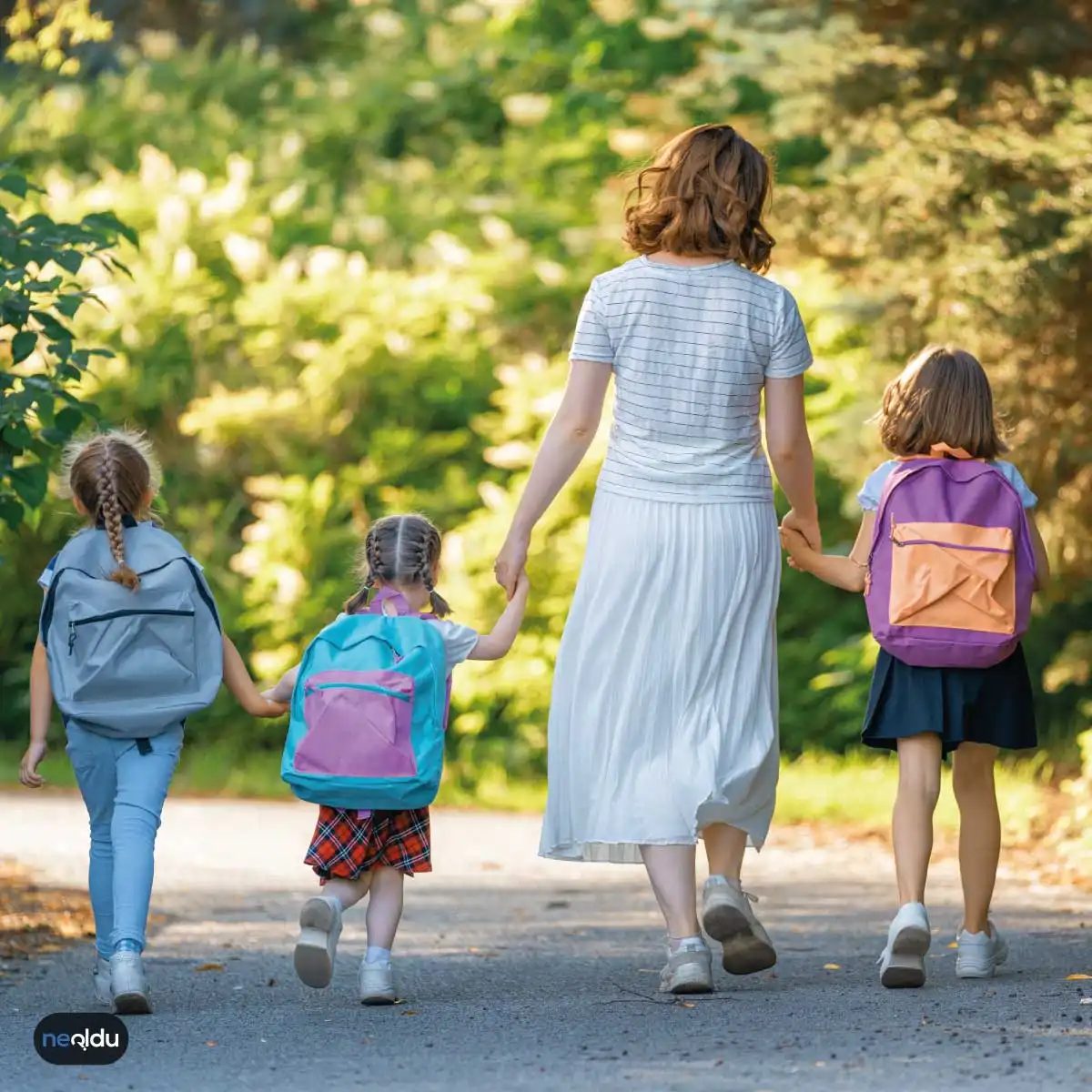
First day of school. It should be magical. For children, it’s a mixture of pure excitement and the terrifying unknown. to you? It’s a logistical nightmare to be proud of.
You want them to succeed. You also don’t want to pass out when you get off the bus.
Adapting to school means more than giving a backpack. It’s about changing routines. It’s all about trust. It’s about getting through the first week without crying in the parking lot.
This is how you can really prepare your child for this big life change. No fluff. Just practical steps.
1. Create a routine before the first bell rings
Starting school means waking up early. You are all shocked if your child tends to sleep until noon.
Don’t wait until August 30th to change your watch. Start changing your bedtime routine a few weeks in advance.
Why this matters:
The school day is structured. They are not flexible. When a child’s biological clock is set to “slow and lazy,” the classroom environment becomes chaotic and exhausting.
How to do it:
* Adjust your wake-up time by 15 minutes every few days.
* Practice your morning routine: teeth, clothes, breakfast, bag, etc.
*This is held at the same time every day.
Consistency is your best friend here. It’s not perfect. Just consistency.
“Routine creates a sense of security. When children know what will happen next, anxiety decreases.”
It’s not about control. It’s about predictability. Predictability reduces stress. Reducing stress helps you focus in class.
2. Pack suitable supplies (not the most expensive ones).
Children bring toys. They bring snacks. They lose their pens.
Accept this now.
However, you can prepare by simplifying your gear.
- Backpack: Lightweight. Padded straps. Ones that fit their short stature.
- Water bottle: Leakproof. Easy to open. No complicated covers.
- Lunch container: Durable. No glass. Something we can open ourselves.
Avoid items that are flashy or overly complicated. Being fragile is distracting. It’s frustrating when it’s hard to use.
Stay boring. Keep it working.
3. Practice separation (gently)
Going to school can be a challenge if the child is alone or with another parent.
Start small.
- Arrange game days outside your room.
- Leave your child with a trusted relative for an hour.
- Visit each school during quiet times. Ask them to hold onto the table. Show them the playground.
Familiarity brings comfort.
When they see the classroom empty before the chaos begins, they feel like it’s less of a monster’s lair and more of a place they can go.
4. Talk about feelings, not just facts.
Don’t just ask, “Did you memorize the alphabet?”
Ask: “How do you feel when you meet your new teacher?”
Children process emotions differently than adults. They may not have the word “overloaded”. You might just say, “I hate school.”
Dig deeper.

Instead of rushing in the morning, start preparing for the next day in the evening. This simple change will make mornings much less stressful for your kids (and you).
2. Prepare the school supplies in the evening
One of the biggest factors affecting a child’s academic performance is the question “Where’s my bag?” in the morning. panic. Regularly preparing children for school simplifies the adaptation process. Preparing the school bag at night is the most practical step.
Why prepare at night?
- Reduce stress: Time is important in the morning. Your child can feel more at ease knowing that their bag is ready and that they won’t be looking for anything.
- Independence: Children learn to take care of themselves. This creates a sense of responsibility.
- Time management: Reinforce going to bed early and getting up early.
How to implement?
Checklist: Create a checklist for your child to check before leaving the house each morning.
Preparation of materials: Notebook, pencil case, lunch box, gym clothes…put these all in your bag for the night.
Choose your clothes: You decide in advance what to wear in the morning, saving you from worrying about what to wear today.
“An organized structure helps children to organize themselves in school and increase their success rate.”
Which material is more recommended?
Essentials: homework, journal, pen, eraser, notebook.
Personal items: Slippers, underwear, extra shirt.
For your health: mask (if necessary), disinfectant, water bottle.
An example of an evening routine:
- Empty the bag.
- Complete the missing materials.
- Place your bag near the door.
- Hang your clothes nearby.
This routine will help your child’s body get used to a regular rhythm. This also helps to improve the quality of sleep. Saying “I’m ready” in the morning helps you start your day off right.
Benefits for students:
Improves organizational skills: Your child is more organized at school.
Confidence: Well-prepared children start to focus more on their studies.
**Senior-R
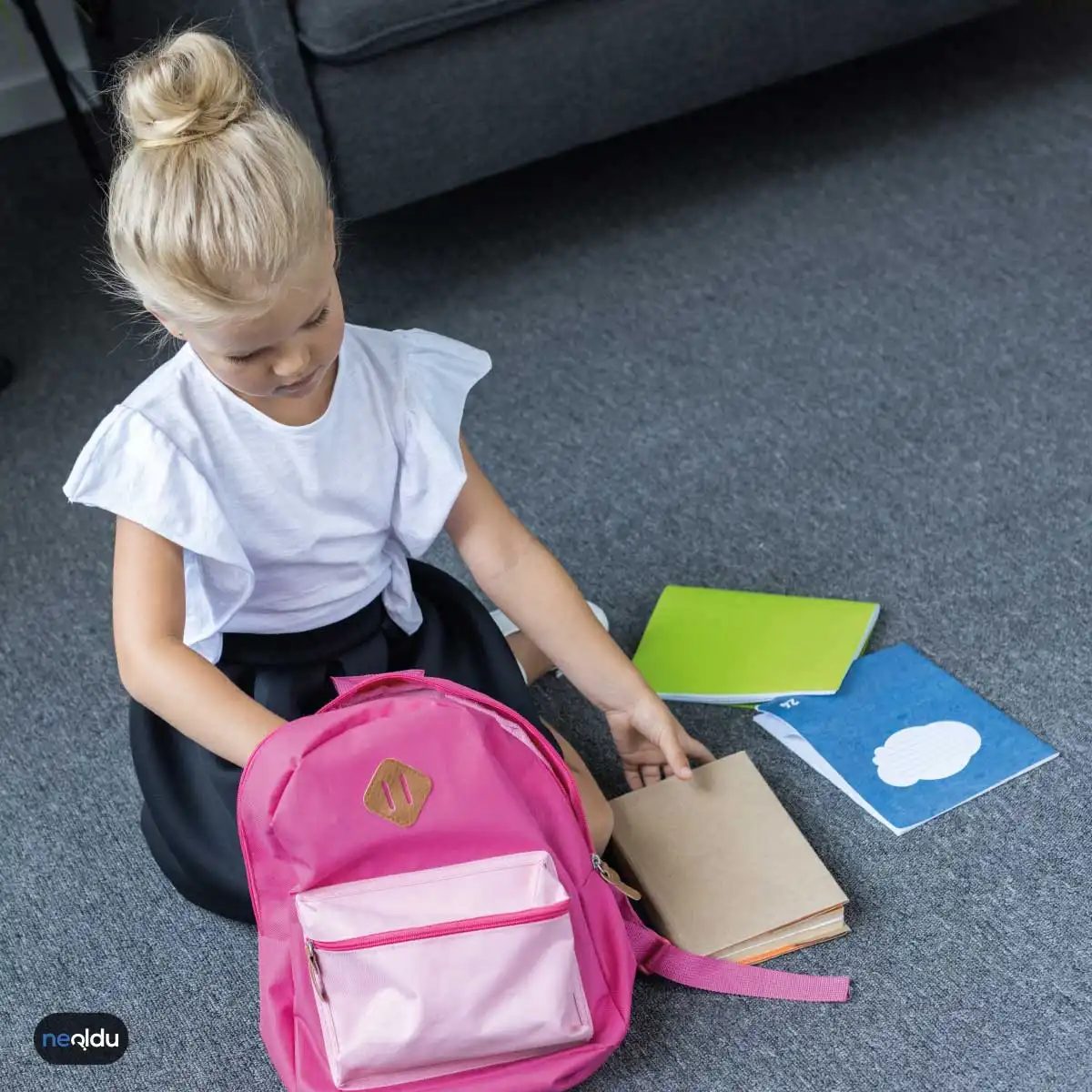
morning rush. This is not just a legend, but a real need, especially if you have children. The biggest enemy of parents starting school is lack of time and stress. There is one surefire strategy to avoid waking up in the morning and asking yourself, “Where did I go?” If you feel like your stuff is a mess, it’s time to make dinner.
To make sure your child leaves home on time and without rushing every morning, remember to make all the necessary preparations the night before. This small detail completely changes the rest of the day. This is not only a habit, but also a mental preparation.
Getting ready for the evening: The power of details
Do a quick check in the morning before bed to make sure everything is fine. Have you lost your pen? Is the laptop cover safe? Is your homework bag heavy enough to carry on your back? Does your lunch box contain your favorite healthy foods?
Find the answers to these questions between 17:00 and 20:00. Complete the missing parts. Give your children responsibility for the process. Instead of saying “sign in by yourself,” say “sign in with me.” This also develops his sense of responsibility.
Baggage check: Are all your textbooks and homework in your bag?
** Consumption: ** Are the school uniforms clean and pressed?
What to bring: Do you need a towel, extra socks or something special?
These steps will make your mornings faster and less stressful. Children start their day with confidence that everything is ready. This confidence will help you focus better throughout the day.
• When everything is ready, your child will start the day positively and concentrate better throughout the day.
Help your child adjust to school
If this is your first school experience or your child is attending a new school for the first time, the adjustment process can be more complicated. In this case, the parent’s role is not to interfere, but to guide.
Why is adaptation so difficult?
Children can feel insecure in new situations. Unknown teachers, new friends, different rules…it’s a change. And change brings stress.
How can we simplify it?
1. Maintain a consistent schedule. ** Morning and evening hours must be regular. When your sleep schedule is disrupted, it can be difficult to adjust.
2. Listen to your child’s feelings
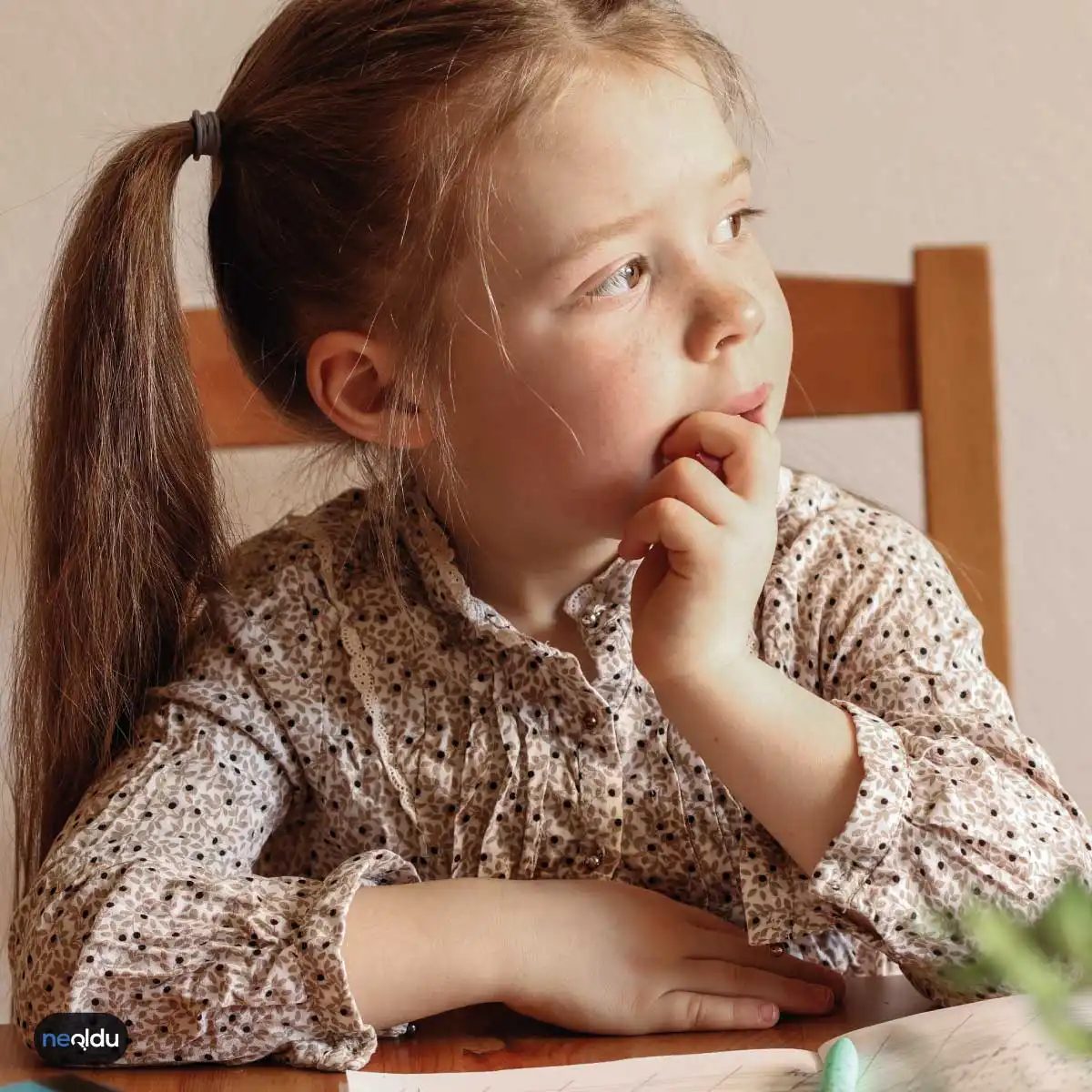
For children, the first step to school is a big journey. It’s not just stepping into a new building, it’s stepping into a whole new world. This adaptation process is directly related to the child’s ability to feel safe and follow the rules in an unfamiliar environment. Your role as a parent is not only to send your child to school, but also to be their safety rather than a burden.
Listen to your child’s concerns and give them confidence
Don’t ignore your child’s questions like “I don’t want to go” or “What are we doing there?” These concerns are real and valid. Let him know that his feelings matter and that you probably feel the same way. However, this is not a list of complaints, but rather a search for solutions.
Always emphasize that school and teachers are a safe haven. Saying, “Your teacher loves you and your classmates are waiting for you,” will reduce the anxiety in your heart. Trust is the first step to adaptation.
School visits: recognition techniques
Empty hints are not enough. Let’s go to school together. Children believe what they see. Walk the halls, peek into the classrooms and get to know the teachers if you can. This physical contact really helped ease the shock of the first day. When your brain replaces the ‘unknown’ with the ‘known’, anxiety decreases.
# Echo at home
When you get home from school, don’t just listen to what your child has to say. To listen. Ask specific questions like “What did you learn today?” “Who did you talk to at lunch?” to help him process the day’s experiences.
Also emphasize that school is a fun place where children can have fun. If the child enjoys it, the adaptation process will speed up. Focus on positive memories instead of negative ones.
- Don’t neglect communication with your teacher
Most parents avoid communicating with teachers during official meetings or when problems arise. This is wrong. Teachers are your and your child’s most important allies in the adaptation process.
Communicate regularly and closely with teachers. During the first week, just having a coffee or a quick chat can help you get an idea of how your child is doing in class. Teachers can notice when children are having difficulties. Solutions can also be developed by sharing the family’s reactions with the teachers.
When this triangle (parent, child, teacher) becomes stronger, it becomes difficult for the child to survive alone.
5. Reward your children for their performance in school.
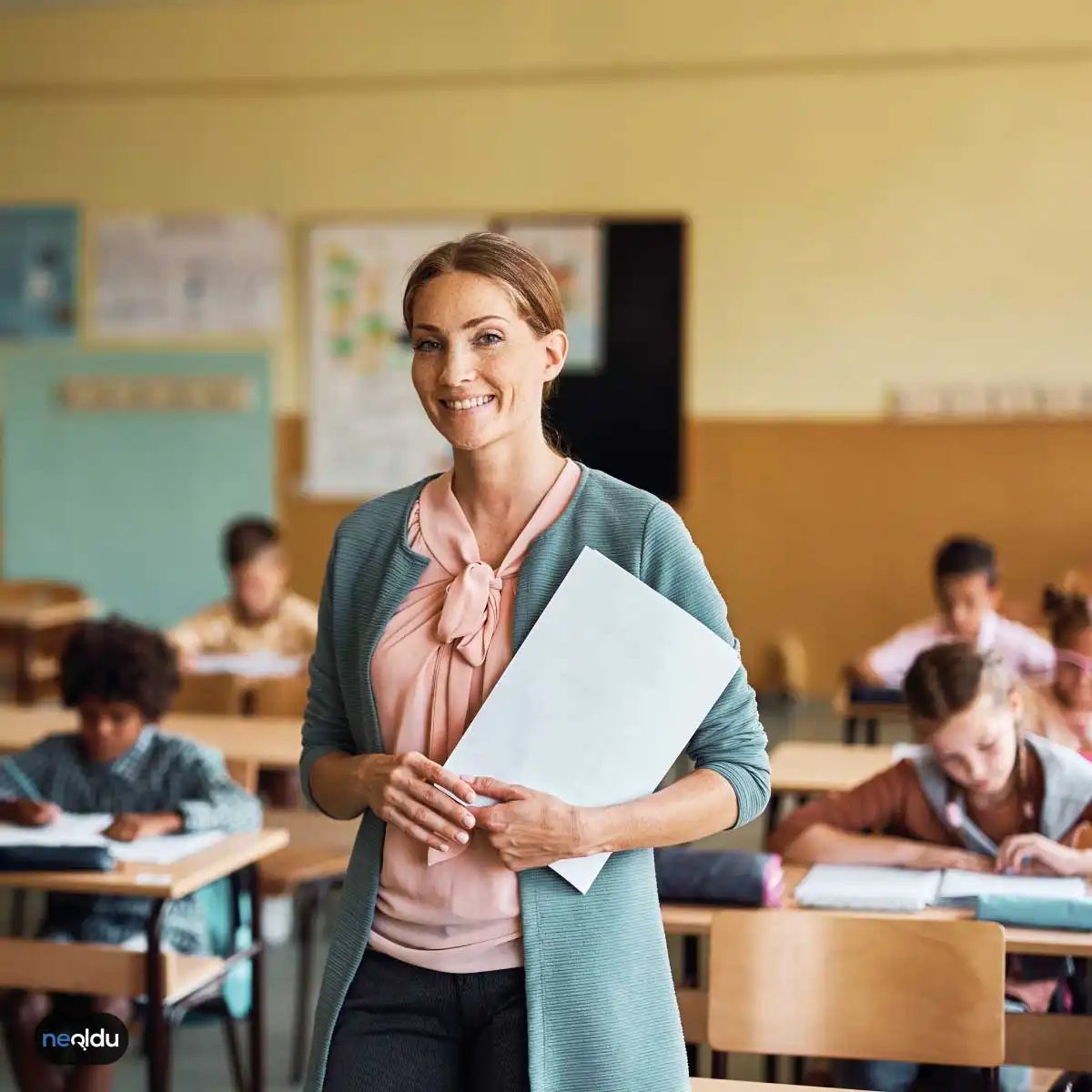
Meeting with the teacher is not just a formality. This beginning is your child’s strongest support system during the school journey. Holding regular meetings means more than just receiving reports. Be honest. Don’t limit yourself to the teacher’s point of view. If you have any concerns, please contact us immediately.
When will this cooperation be completed? Never. This is an ongoing process. But don’t stop there. Don’t ignore success.
Why reward? How do you reward yourself?
Your child’s efforts at school should be reinforced with visual and verbal praise. Prizes don’t have to be coins or toys. Experience-based rewards have long-lasting effects.
Celebrate small wins. Getting a high score on a test is important, but “doing today’s homework on time” is also an achievement.
Stay focused on the process. Rewards that focus on effort rather than results can internalize children’s motivation.
Customize. Some people like small gifts. Some people like to spend time together, like a walk in the park.
What kind of rewards are effective?
The reward system is based on your child’s age and personality. Don’t compare. Every child is different.
- Material rewards: ** Receive a small gift when you meet your average performance goals.
- Experiential rewards: Cook together, watch movies, go hiking together.
- Privileges: extra screen time or permission to meet friends.
• “The rewards don’t just honor the results, but also the process.”
With the help of rewards, children can realize their potential. The connection with the teacher is the basis of this process. Avoid misunderstandings by being honest about your child’s progress.
In addition, sharing your child’s concerns with the teacher can help identify the cause of the problem early on. The school experience goes beyond the classroom. Social development is important, as are friendships.
Overall, rewards are a starting point, not an end. It increases children’s self-confidence. Communication with teachers is based on this trust.
What next? What should be done to ensure the sustainability of this system?
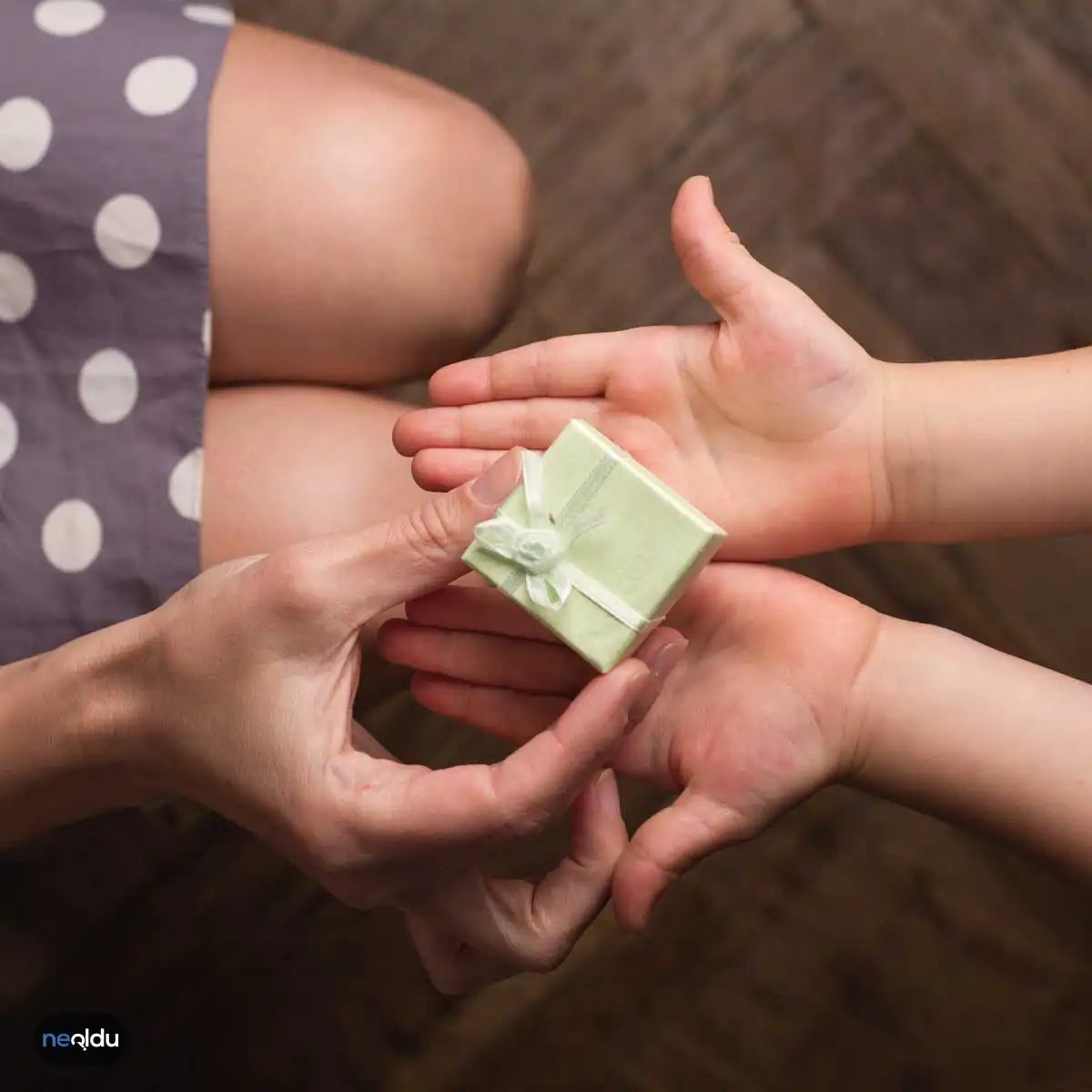
We’ve seen rewards work, but it’s not just for notebooks. Peer relationships themselves are the foundation. Ensuring a child’s social skills at school is just as important as academic success. Why? This is because children feel less stressed and more focused when they are on social networks.
It is clear how this process should work. First, you need to understand your environment. Which classmates are you close with? What activities bring them together? A sports team, club or even a short conversation in the hallway is an important step.
Support the friendship process
Making new friends as a child can sometimes seem like a strange art. The right approach is to guide rather than pressure. Give your child a chance to practice social skills.
Organize playtime: Group discussions are the most natural way for children to interact.
Find common interests:** Explore extracurricular activities where you can meet different kids.
Emulate empathy: Share your own friendship experiences and show how you overcame challenges.
These steps will help your child expand their social circle. School is not only a place of lectures, but also a laboratory of life. The connections made here lay the foundation for future success.
Remember that all children move at different rates. Some children open right away, while others take longer. Follow me patiently. But there’s no need to rush. With the right environment and the right support, children can find their own way. The trust you give them will help them in this process.
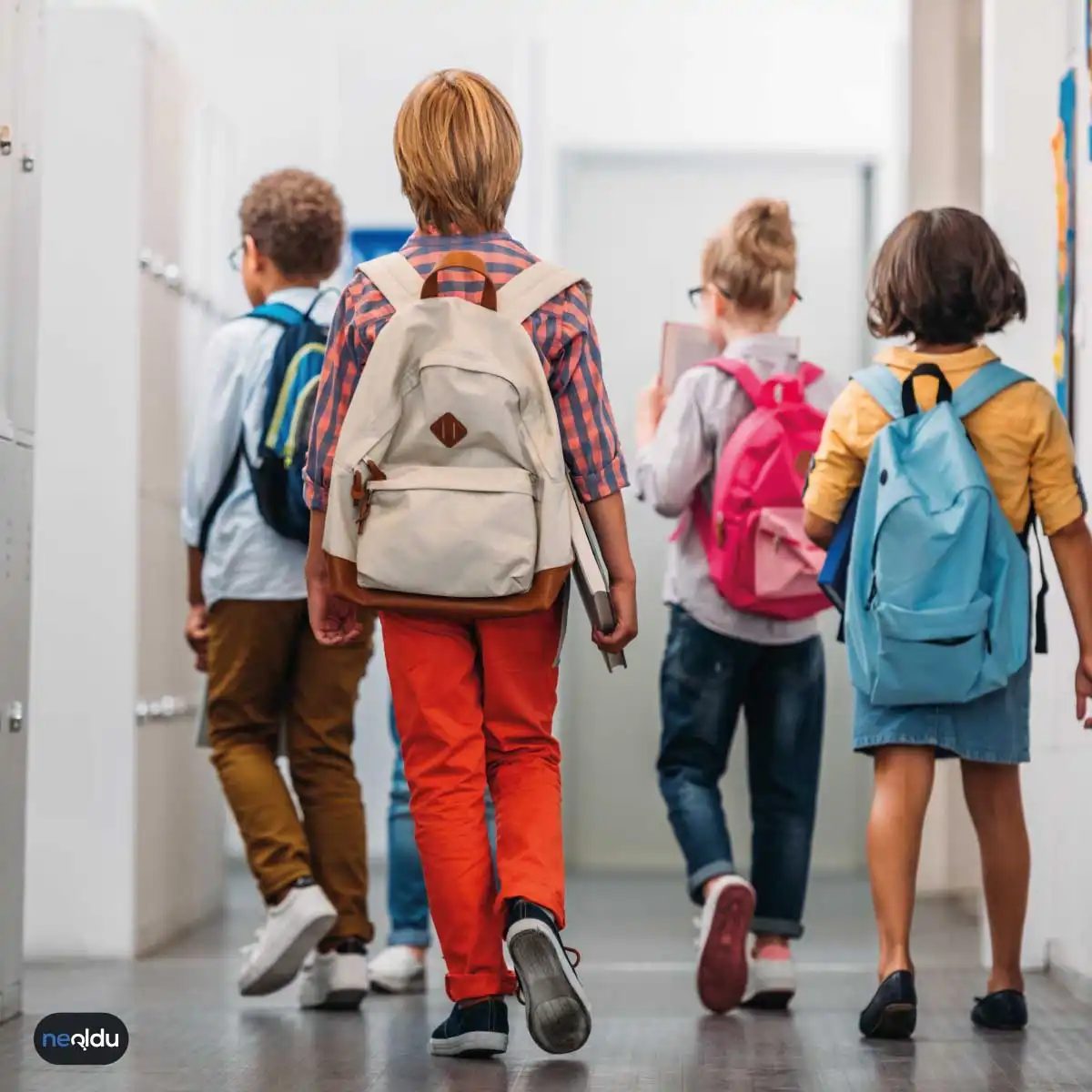
Making friends at school is not only fun, it is the basis of a child’s social development. Participating in activities, being part of a group…these steps allow your child to interact with other children. They learn to communicate and cooperate. These experiences are also important for sustainable future relationships.
But the day doesn’t end when the school bell rings. The connection between home and school is equally important.
7. Participate often in extracurricular activities together.
Friendships should not be limited to school only. Allow children to gather outside of school. These meetings will strengthen your connections with your classmates.
What should I do?
Plan a meeting: Arrange a meeting on the weekend in a park, library or children’s home.
Common Interests: Based on sports, art classes, or games your kids enjoy.
Parent involvement: Be more active at first, but also allow children to communicate independently.
These activities help children find their individuality outside the classroom. We have the same hobbies, so we have a lot to talk about. The words “I like this too” are the most powerful words to melt the ice.
• Out-of-school environments provide children with a low-stress social environment. Here the interaction develops more naturally.
Regular meetings can take time. However, you can increase your child’s sense of social security by taking short coffee breaks and playing together. Please be patient during this process. Children socialize at different rates. Some children warm up quickly, while others are more observant. Accept both scenarios.
If your child can enjoy these meetings, he will be more motivated to go to school. He has friends and a sense of belonging, which positively affects the learning process.
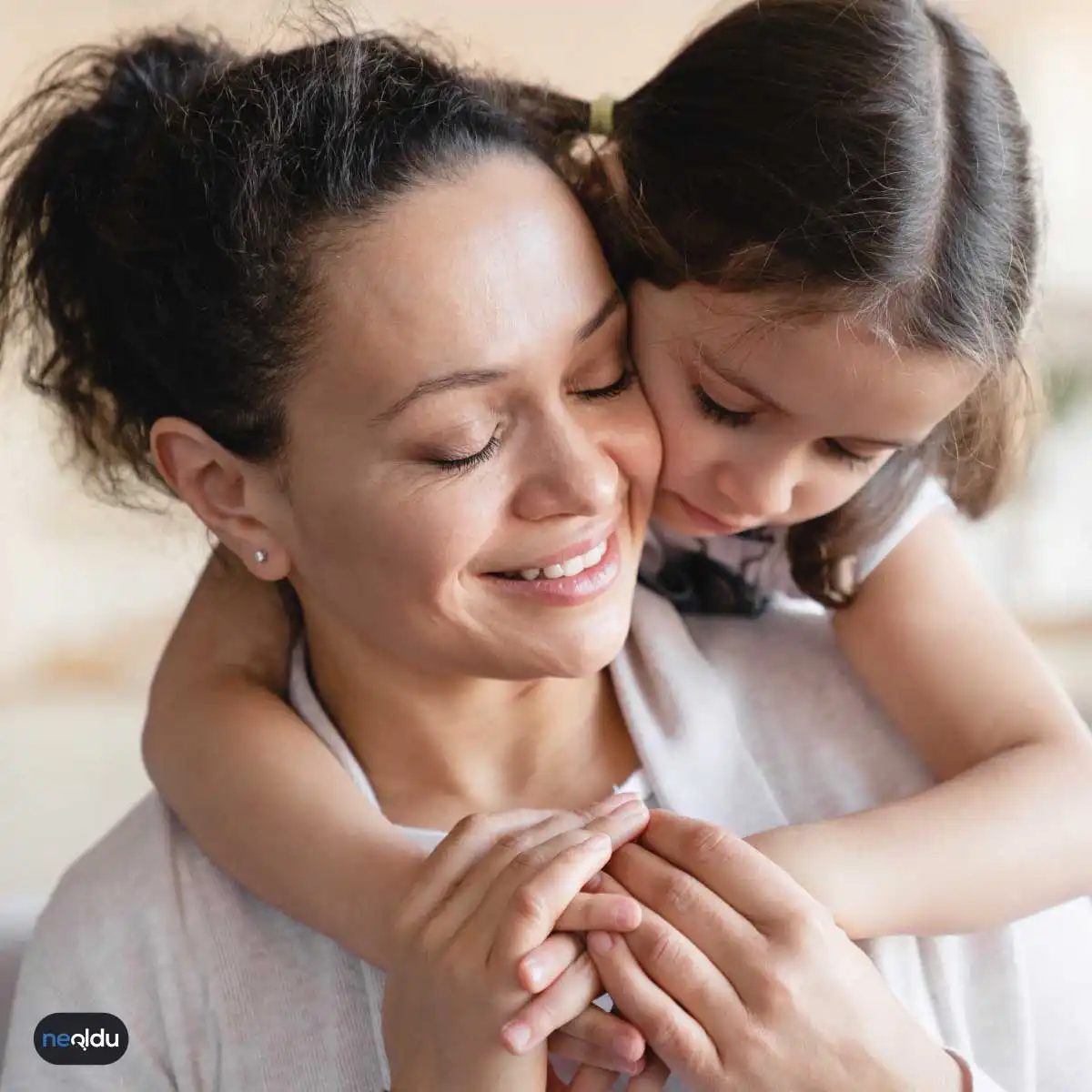
When your child walks through the school gates, he will spend most of the day there. It was a big turning point for my parents as well. What started as an early morning game has now become an afternoon observation. But remember, the game doesn’t end when school ends. Vice versa.
Your child’s life outside of school may be more important than their academic performance. Because here he has a chance to find his identity and interests. Your role in this discovery process is not passive. Must be active and cooperative.
Go on a journey of discovery through various activities
An activity that feeds children’s minds is more than just counting. It’s not just about learning. It is important to experience all aspects of life. Here are some practical tips to improve your experience.
Spend time in nature by running in the park, climbing a tree or just walking. This supports physical health and rests the mind.
Take up an active hobby, such as cycling, swimming, gymnastics or other sports. Moving the body also speeds up mental movement.
Cultural wealth: theaters, concerts, museums. Participating in cultural activities broadens children’s world view.
Creative moments: Watch movies, read books and cook together at home. These activities encourage creativity and strengthen family bonds.
Travel and observation: vacation, travel. Seeing new places arouses the child’s curiosity.
These activities are more than just “fun” moments for your child. It is the moment when children unleash their potential and build self-confidence. As a parent, it is your responsibility to evaluate these possibilities correctly. Monitor your child’s interests and support them.
Incentives during the school adaptation process
New school, new friends, new teacher…all these changes can be stressful for your child. In this process, you can motivate your children in the following ways:
- Listen: Listen to your child’s school experience. Don’t judge, just listen.
- Validate: Validate your child’s feelings. Letting your child know that it’s normal to worry is crucial to their emotional development.
- Support: Help him when he faces difficulties. But don’t take his place. Let him believe he can do it himself.
- Rewards: Reward children for small achievements. This will increase your child’s motivation.
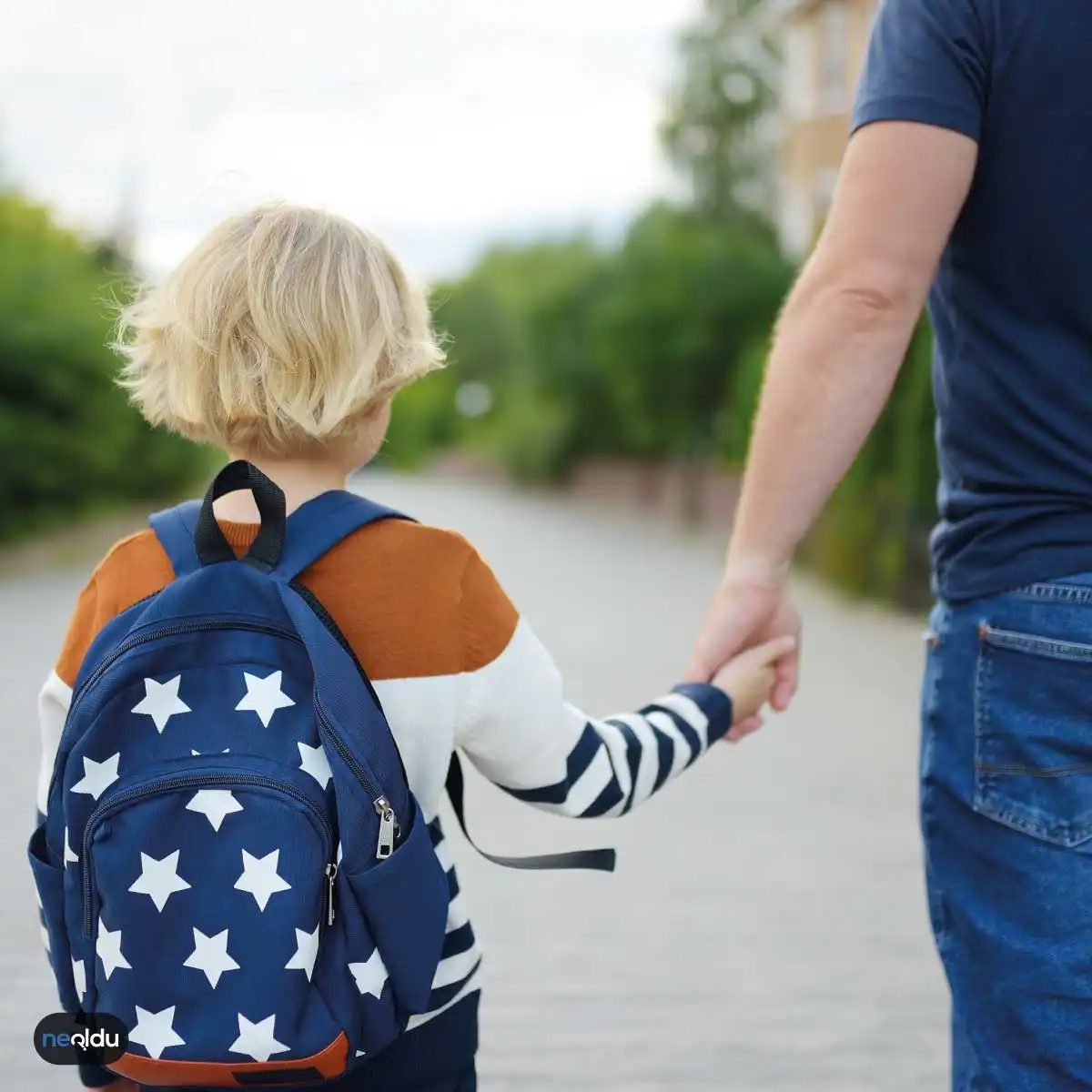
Balance support and independence
Parents can be at the school gate for days to calm the children down. However, there is a fine line between support and wandering. Going to class with them or waiting in the lobby for class sends a clear message: “You can’t do this alone.” This addiction still exists. It slows down growth. Before you form a habit, you need to take a step back.
It is unreasonable to expect an immediate fit on the first day. The first week was tough. Everyone knows this. But when routines are disrupted, parents often panic. Patience is not passive. This is an active limitation. Give me time. The fear is gone. form of friendship. Routines took over.
Resistance is normal. Some children are so stubborn that they end up crying. they refused to move. Responding harshly or angrily can be counterproductive. It creates negative associations. School becomes a place of conflict rather than learning. Keep calm. Be firm but gentle.
Let’s talk about the good stuff. Focus on the positive. What would you miss if you stayed home? read. art. friend. Communication is more powerful than force. The honesty of the joy of learning can quickly change students’ ways of thinking.
Make it clear that the fear is temporary. This is a feeling, not a fact. Over time, they find what they want. They find their own people. The initial shock has faded.
If your anxiety persists, seek help. Expert guidance is not failure. It’s a tool.
Irginiz Isek Bilir
* Is your child Okula Gitmeye Hazır?
Chokklarun Bethlemme Chantas Nasr Hazrlanil?
Oku Basarisini Atilan Basinlu
*Okura Gitomek Istmejan Njokga Uygla Bilecek Juntemuller
How to improve morale before school starts
Preparation sets the tone. Visit the school together beforehand. Walk around the hall. Find the bathroom. Find a cafe. The most important thing is to meet your teacher. When the day actually comes, a friendly face can make all the difference.
We are actively building schools. Avoid anxious questions like “Are you scared?” or “did you eat lunch?” Instead, ask about activities they enjoy. Can they draw? Do you want to play outside? Combine these interests with your school experience. Show them that their hobby is within the walls of the classroom.
Dealing with adjustment difficulties
Adaptation is not linear. Some days are harder than others. If your child has a problem, listen to him. Please listen. Don’t think their fears are ridiculous. Find out how they feel. Identify the difficulties.
Work with teachers. Ask what is happening in class. Are there social triggers? Academic pressures? Understanding the root cause helps provide targeted support. You and your teacher are a team.
Help them make friends
Friendship is the glue of school life. Social interaction is also encouraged outside of lessons. Adjust your itinerary. Invite your classmates. Familiar faces can make a big difference during a break.
If your child is shy, don’t force him into the spotlight. Small group settings are often easier. Let them observe. Let me in when you’re ready. Social skills are practiced, not inherited.
Reward success without pressure
Awareness is important. Also pay attention to small wins. Did they raise their hands? Do they share snacks? Admit it. Parental pride is a powerful motivator.
If you want, you can also offer special prizes. Let’s go to the park. My favorite movie night. A small gift. However, be careful not to make awards your only goal. Let’s focus on the experience itself. External motivation supports, but internal motivation endures.
What happens when the initial excitement wears off and the monotony of each day begins? This is where character is established. Not the first week, but the 100th week. Routine becomes reality. And just go with the flow.


