


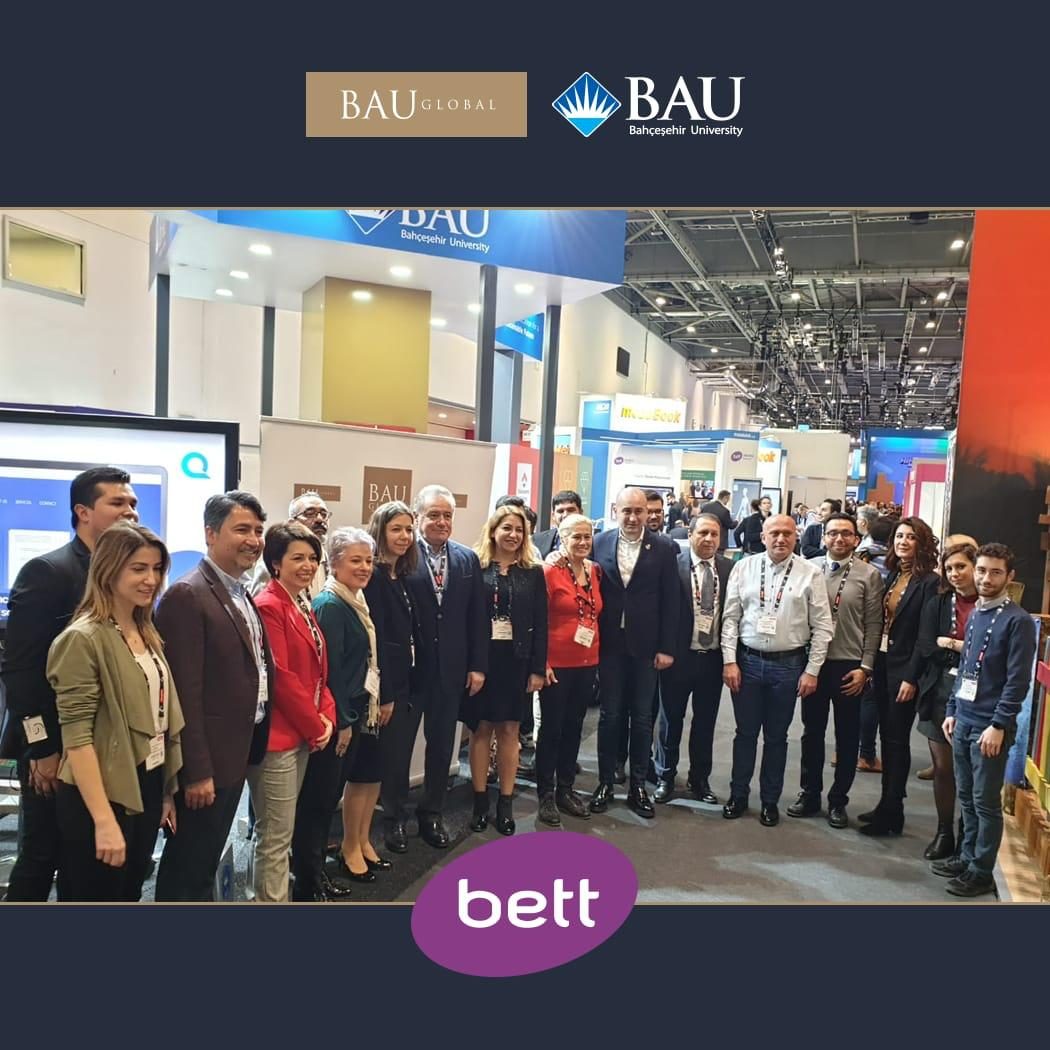
The lights were bright, the noise was deafening and the scale was overwhelming. This is what it feels like to walk the BETT show floor in London. This is more than just a technology exhibition. This is the world’s largest educational technology exhibition. This year, that number alone is enough to make your head spin. 146 countries sent their representatives. More than 800 companies set up departments. This event has been running since 1985 and is a historically significant event in the edtech calendar.
But for the Turkish team, the real storyline just isn’t there. It’s about substance. Bahçeşehir Üniversitesi (BAU) sent us more than just a pamphlet. They sent science. Their scientific infrastructure supports the production of technical products in Bahçeşehir Koleji. These works appeared on the London stage. Their goal is to show that local innovation can compete on the world stage.
Combining university science and school technology
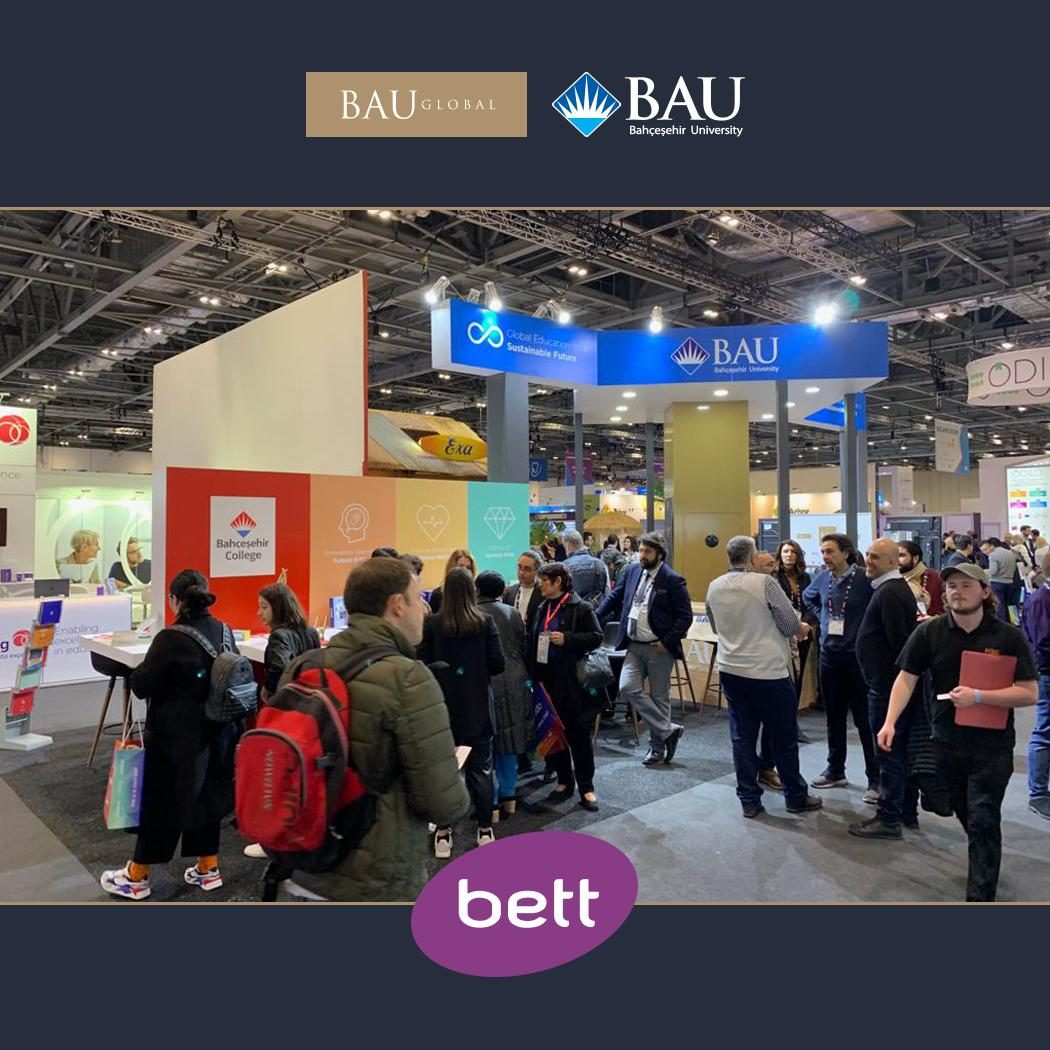
How can universities help build the hardware of school systems? The answer can be found in the collaboration between BAU and Bahçeşehir Koleji. Universities are the backbone of research. The Academy is responsible for practical application. This partnership has resulted in a diverse selection of exhibitions.
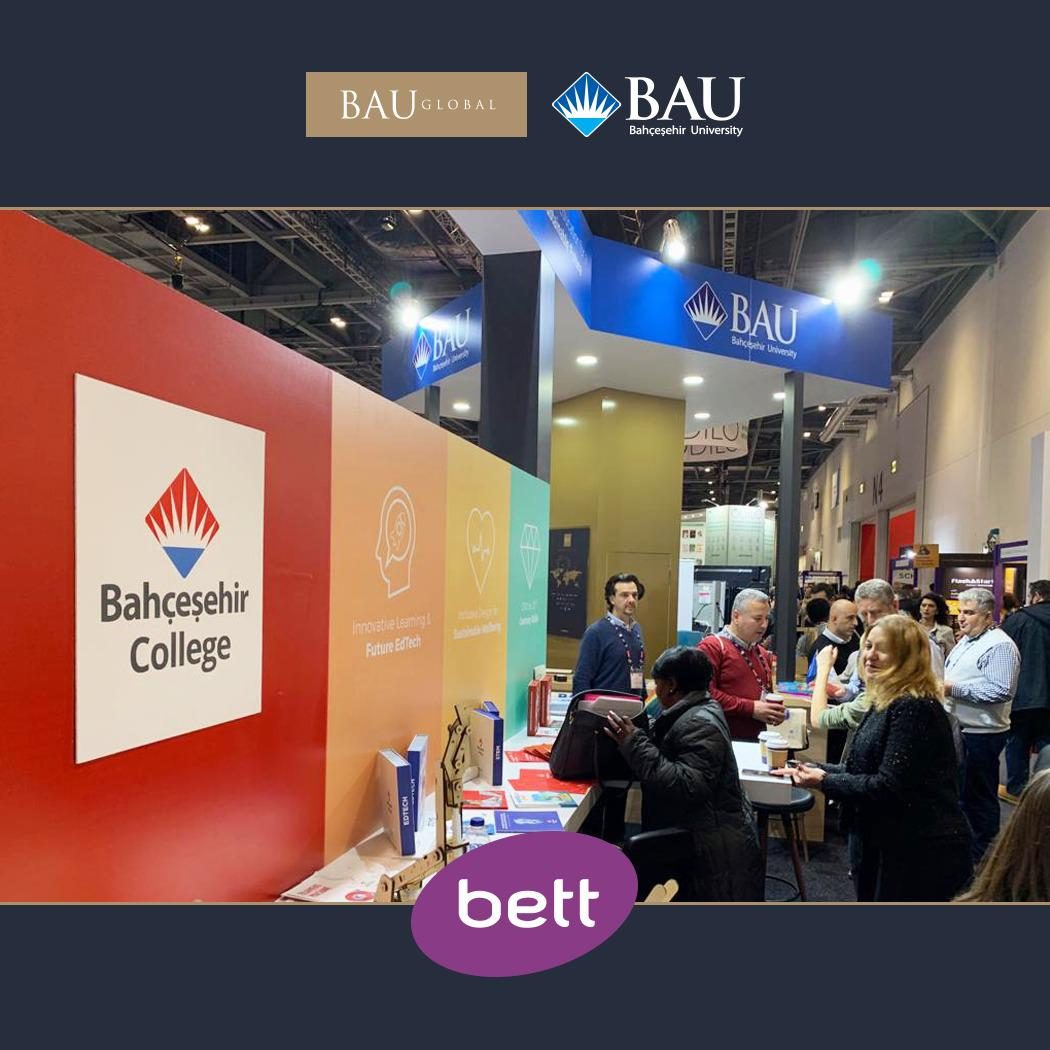
Visitors see more than just a screen. They looked at physics technology. The group introduced a hydraulic arm. Shows accuracy. They introduced recycled filament for 3D printing. This emphasizes durability. Solar panels are also part of the exhibition. These are not models. These are functional prototypes developed under the guidance of BAU researchers.
The cooperation between university research and school-level technology production leads to concrete and impressive exhibits at the world’s largest educational technology exhibition.
Methodbox: artificial intelligence learning platform
The hardware may be eye-catching, but it’s the software that makes or breaks the conversation. Methodbox was the star of the digital program. It is a digital learning platform based on artificial intelligence. Unlike generic tools, it’s designed to customize your training.
Artificial intelligence in education is a tight market. What makes Methodbox stand out among BETT? Because it is based on strict scientific principles. The platform was developed by the technology department of Bahçeşehir Koleji. It is directly aligned with the institution’s academic standards. This means that AI is not just a gimmick. This is educational material.
Participants were fascinated by the adaptability of the platform. We do not force students into one model. It corresponds to their learning progress. This is what many teachers are looking for. They want technology that supports differentiation. Methodbox offers a concrete solution.
Why this matters for global edtech
What will happen if a Turkish innovation is highlighted at the Eurocentric fair? It confuses the narrative. The focus is often on established brands from Silicon Valley or Europe. This time we focus on the ingenuity of Istanbul.
The success of BAU and Bahçeşehir Koleji shows that quality is universal. The interest of the visitors was very high. A question arose about the durability of the hydraulic arm. They want to know how Methodbox handles data protection. They were interested in where the recycled filament came from.
This level of participation is no accident. It comes from deep technical expertise. BAU researchers led the development process. We guarantee that all our products meet our high standards. end

The numbers don’t lie. High school students’ project. Now that’s the achievement.
Bahcesehir University Executive Committee Chairman Hussein Yucel made statements at the fair that have sounded authoritative in the past. This is just a fact. The school has been following this event for 10-15 years. But what about the last two years? A different phase.
They stopped looking. They started building.
“It’s our own product,” Yucel explains. “Developed by our R&D department and our teachers. We don’t just look at them anymore. We import and export them.”
This is not some vague corporate success phase. This is a student’s phase. Especially the high school students who got a full scholarship in Bahcesehir educational institutions. Everything on the screen has fingerprints.
Automatic packaging reporting system
Let’s take “automatic package reporting system” as an example. It’s a dry subject. it is not.
This is a small electronic circuit. small. However, it collects temperature data. precise. geolocation. It brings them all together. And it’s not just hard science.
Yucel pointed out that the device requires students to apply scientific knowledge. technology. project. Mathematics. I also use literature.
Consider this combination. Combine STEM skills and literary analysis to create products that work. This is an example of what schools in the Far East are seeing.
Why do schools in the Far East raise questions?
You may be wondering why there is so much international interest now. Why here? Why these students?
The answer can be found in the curriculum. It’s not just about memorizing formulas. It’s about turning education into a product.
“It sets the standard,” Yucel said of the high school students’ accomplishments. It’s a sign of great things to come.
Schools from the Far East gather in Bahcesehir. They have the same questions.
“How do you commercialize STEM education?”
“How do you create a curriculum?”
They are not looking for textbook answers. They want a plan. They wanted to see how a group of teenagers who received a full scholarship could build a system to measure and automatically report environmental data.
Real lessons from circuit boards
Success is about more than equipment. It’s in your thinking.
When we look at automated packaging reporting systems, we see students who understand that data does not exist in a vacuum. It exists in context. Temperature is important. Height is important. Your location on Earth is important.
Next, add the human element. writing skills. Power of expression, power of composition and power of explanation.
This combination is rare. This is what the international market is buying.
This is not magic. It’s just a different way of teaching. You no longer have to think about subjects like individual islands. You are the one who connects them. Ask them to collaborate in the real world.
The Far East School knows this. They saw this happen in Istanbul. They want it in the classroom. There is a lot of pressure to repeat the model. The proof is on the table.
So what happens? The students continued to create. The curriculum is constantly evolving. The rest of the world is still paying attention.
How AI identifies learning gaps with “close-up” accuracy
Years of struggling in school can be direct and frustrating. you took the test. Results are returned in red. The teacher said, “Math is your weakness. Go study math.”
It’s very vague. It’s overwhelming. Mathematics is not one thing. It is a collection of hundreds of sub-topics. Without a clear map, it is impossible to try to improve. Just spin the wheels.
AI-Driven Direct Learning changes this.
A new platform called Metodbox solves this problem. Just don’t tell them what went wrong. Diagnose gaps in your data and suggest accurate fixes.
The human and technical engine behind the code
Technology is not magic. It is the result of serious engineering and educational insight. Yucel, who is the main character of the project, said that this is not an independent developer’s garage project.
The platform has the signatures of about 40 software developers who have worked at Ankara Technology Park for three years. But you can’t just teach kids to code. The platform also utilizes direct input from teachers of Bahçeşehir educational institutions.
This combination is important. Developers build logic. The teacher makes sure that the logic actually works in the class. The result is a system that understands not only how students fail, but also how they actually learn.
From extensive diagnosis to targeted treatment
The methodological changes are significant.
“In the past, when you took the exam, they said, ‘You’re not good at math.’ There are hundreds of sub-topics in math. It’s impossible to progress. With this platform, we can diagnose immediately and treat it immediately.”
Think of it like medical imaging. The old test was something like this: “My body is injured.” The latest AI test says, “Your left deltoid muscle is tight. Here are some specific exercises to fix this.”
This system can determine where students are struggling to understand. Then guide them through the precise gap. No more time to waste on learning topics you already know. No more skipping the hard parts just because you don’t know what they are.
Global accuracy requirement
Why is this important outside of Turkey?
The high-pressure education system has learned the value of efficiency. Countries like South Korea and Japan, where entrance exams are highly competitive, have shown great interest in Metodbox.
In an environment where every bit counts, blanket advice is useless. Students need targeted interventions. East Asian demands highlight a global fact. Families around the world are looking for ways to cut through the noise of standardized testing and focus on what really works.
A proud step onto the world stage
Exhibiting at the British Educational Technology (BETT) Show is more than just attending an exhibition. This is a testament to ability.
Yucel emphasized the importance of Turkey’s representation among the tech giants.
“With Google on one side and Microsoft on the other, we are really proud to present and export our products here.”
This is a reminder that effective educational technology doesn’t always come from Silicon Valley. Sometimes they come from Ankara. In some cases, it comes from a collaboration between local teachers and passionate developers who understand that “study more” is not a strategy.
The future of learning is not in the passage of time. It’s about a clearer focus.
Leading innovation in educational technology
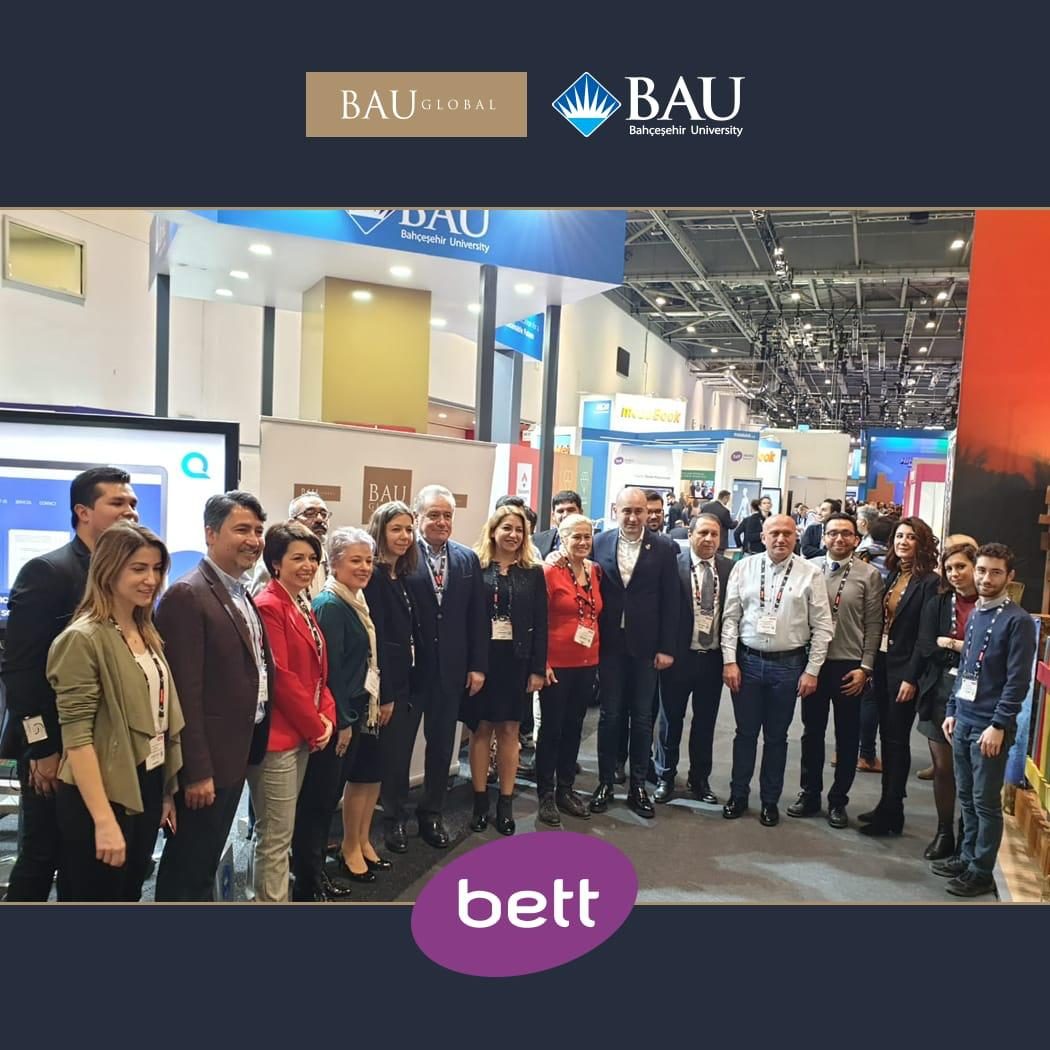
Professor Shirin Karadeniz, Rector of Bahcesehir University, considers BETT not just an event, but an important meeting place for the world’s most important educational institutions. The focus here is sharp. It focuses specifically on recent developments in educational technology. The BAU did not come for the inspection. They will show us their way. They created the department to showcase exactly where they are in today’s learning landscape.
The exhibition shows something concrete. These are not just theoretical concepts. The university exhibits products developed by students and faculty. Some are patented. Some companies go further and develop into fully registered companies. This change indicates a change in ambition.
“We don’t want to be followers anymore. We want to be the ones being followed.”
That is Karadeniz’s message. The goal is to open the university’s research and development activities worldwide. All products and services created at BAU are intended for users around the world. People have full confidence in the abilities of the younger generation. Teachers act as leaders and channel this energy.
The result is a unique position. BAU is currently the only university representing Turkey at this London-based event. This is a source of pride for the government and a testament to the work done on the ground.
Alignment with global sustainable development goals
We have a broader mission that goes beyond our products. Karadeniz emphasized how BAU applies the UN’s Sustainable Development Goals (SDGs) to education. This approach is both global and locally rooted. It is designed to be high-quality, comprehensive and easy to understand.
Thousands of international participants took part in these examples at the exhibition. Universities use this platform to showcase the practical application of these goals in Turkey and around the world. This is not an abstract policy issue. This shows how these principles work in practice.
The conversation never stopped at the booth. Karadeniz and Yucel spoke at the “Global Education for a Sustainable Future” session organized as part of the exhibition. They’re not just acting. These contribute to a broader discussion about where education is going next.
The hidden costs of “trying harder”.
We’ve all been there. You stare at your textbook. The words are unclear. The brain feels like wet cement. You tell yourself you have to get over it. Please crush it. Just “Let’s try harder.”
This doesn’t work.
It’s not only unfair to accuse someone of not trying hard enough; This is scientifically wrong.
The difference between students who burn out and students who stay sharp isn’t willpower. This is a strategy. Specifically, understanding how the brain actually encodes memories. This leads to one of the most underrated tools in modern education: distributed repetition.
Why bingeing on education will fail you in the future
I want to be clear. You can pass the test by gorging. It can’t get you into a career.
Studying for four hours in a row the night before the exam builds a weak structure. You embed information into your short-term working memory. Looks solid so far. However, when the exam is over, half of it is done.
This is how the forgetting curve works. Hermann Ebbinghaus discovered this about a hundred years ago. If you don’t check, you’ll lose about 50% of your new data within an hour. The first day it was gone.
Most students believe that this loss is inevitable. You shouldn’t.
If repeated from time to time, the script will be translated. Care about your workouts instead of blasting them (all at once). I review the material even though I feel like I’m forgetting it.
How indirect replays really work
You don’t need a fancy app to understand how it works. All you need is a calendar and a little discipline.
The logic is:
- Initial review: After 24 hours of studying.
- Second check: After 3 days.
- Third check: After 1 week.
- 4. revision: 1 month later.
Each time you remember information, your neural pathways are strengthened. The intervals between comments have increased. The memories get deeper and deeper.
This is active recall. It’s not just about re-reading your notes. It forces your brain to retrieve information without prompting. It feels difficult. That’s the point. If it feels easy, you won’t learn. We only know each other.
Acceptance is not a reservation.
Tools that do the heavy lifting
You might think that creating this plan manually is a nightmare. It was.
Now the software handles the algorithms. Anki and Quizlet use the SRS algorithm (SRS) to display flashcards based on your information.
** Do you know better? ** Applications skip a few weeks.
** struggling? ** The application will be released tomorrow.
This is efficiency. Stop wasting time on things you already know. You focus completely on the gaps in your knowledge.
For language students, this is revolutionary. For medical students studying memory pharmacology, it’s a lifesaver. For those learning new skills, this is the difference between an amateur and a professional.
Principle of ideal difficulty
Psychologists call this “ideal difficulty.”
If you want your brain to grow, you need to sweat. But not in a confusing way. Target your goals.
Try these practical tips now.
- **Stop highlighting


