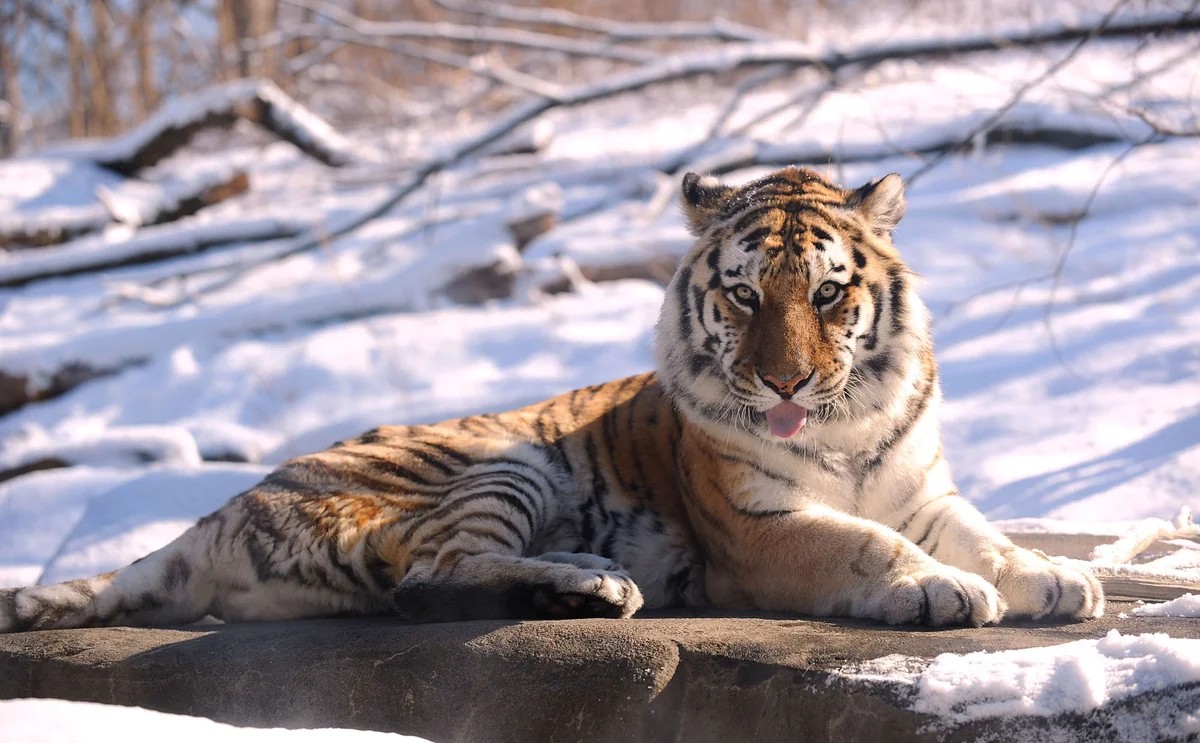
Zoos across the United States are taking extensive measures to protect their animals from a massive winter storm expected this weekend. Millions of people are bracing for extreme cold, ice, and heavy snow, but zoos are ensuring animal welfare is prioritized as temperatures plummet.
Adapting to Extreme Conditions
In Texas, the Houston Zoo has activated its winter storm protocols. Buildings and barns are equipped with industrial-grade heaters designed to withstand severe conditions. Animals will have access to extra hay and bedding for warmth, and food supplies have been stockpiled in advance. The zoo is also protecting sensitive plants with coverings, and backup generators are ready to provide power if outages occur.
Enrichment to Combat Boredom
The Dallas Zoo is moving many animals indoors but is also focused on preventing boredom. Curator Keith Zdrojewski explained that prolonged indoor confinement can be stressful for animals, so caretakers will increase enrichment activities. These include specialized training sessions, food puzzles, and playing natural sounds to mimic the outdoors. This proactive approach minimizes behavioral issues and keeps animals stimulated during the storm.
Endangered Species Protected
Other zoos are implementing similar strategies. Fort Worth Zoo has moved its endangered Pan’s box turtles indoors for protection, while the Cincinnati Zoo plans to have animal care staff stay overnight to monitor conditions. At the Smithsonian National Zoo in Washington, D.C., species like Asian small-clawed otters, brown pelicans, orangutans, and gorillas will be moved indoors if temperatures drop below 35°F (1.7°C), as current forecasts predict.
This widespread preparation highlights the critical role zoos play in safeguarding animal health during extreme weather events. It also underscores the logistical complexity of caring for diverse species in challenging conditions. By adapting facilities and enrichment programs, zoos ensure animals remain safe and comfortable until the storm passes.