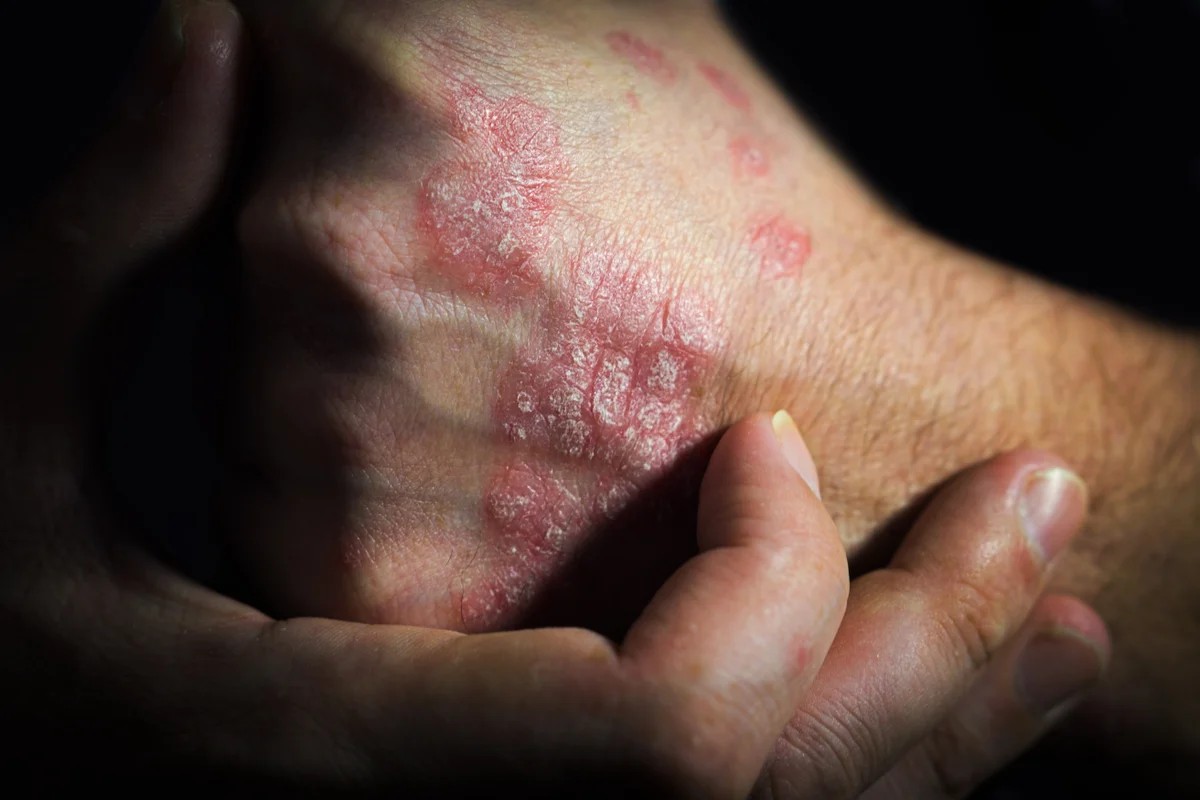
For people with chronic skin conditions like psoriasis, flare-ups often recur in the same locations repeatedly. This isn’t coincidence: new research reveals that skin cells retain a “memory” of past inflammation, leading to heightened sensitivity and recurring outbreaks. Scientists now understand the mechanism behind this phenomenon, and it has implications beyond just psoriasis.
How Skin Remembers: Epigenetic Marks
A recent study published in Science demonstrates that skin cells inherit patterns of gene expression through a process called epigenetics. Every time skin regenerates, it doesn’t just rebuild itself from scratch. Instead, cells carry forward chemical modifications to their DNA—epigenetic marks—which act like on/off switches for genes. This means skin cells don’t merely respond to past injuries, they remember them.
This isn’t just about scars or freckles. The study, conducted on mice, proved that successive generations of skin cells maintain the memory of past inflammation. The epigenetic marks passed down ensure the tissue remains overly sensitive to triggers like stress, perpetuating chronic inflammation.
The Double-Edged Sword of Skin Memory
Skin’s memory isn’t always bad. If you cut yourself, the healing process will be faster if you injure the same spot again, because the cells already “know” how to repair it. But for conditions like psoriasis, this memory is detrimental. The cells become primed for inflammation, making flare-ups more frequent and severe.
“Your DNA can remember, far longer than we appreciated, a past injury,” says Dana Pe’er, co-author of the study. “It’s a double-edged sword.”
AI and the “Black Box” of Skin Biology
Researchers used an artificial intelligence model to identify specific genetic sequences responsible for this long-term skin stem cell memory. The AI analyzed how DNA regions behaved before and after injury (a small incision in mice), essentially “opening a black box” that revealed the underlying mechanisms.
While the study was conducted on mice, the core biology is highly conserved across species, suggesting the findings may apply to humans. The challenge lies in the differing timescales of skin regeneration—weeks or months in humans versus days in mice—and the lifelong nature of chronic diseases.
Implications for Future Treatment
This research opens avenues for testing interventions in humans. The ultimate goal: reversing the epigenetic imprint that drives chronic inflammation. If scientists can “erase” the damage, they could fundamentally alter the trajectory of autoimmune and inflammatory diseases.
“Can you imagine if you could reverse that imprint? If you could reverse that damage, you essentially control people’s health,” says Shruti Naik, a molecular biologist.
The growing evidence suggests that inflammation can fundamentally alter the body’s biology, raising questions about how our experiences shape our health and disease susceptibility.
Conclusion: Skin’s ability to remember past injuries is now scientifically proven. This discovery provides a crucial insight into chronic inflammatory conditions like psoriasis and highlights the potential for future treatments targeting the epigenetic mechanisms behind persistent inflammation.