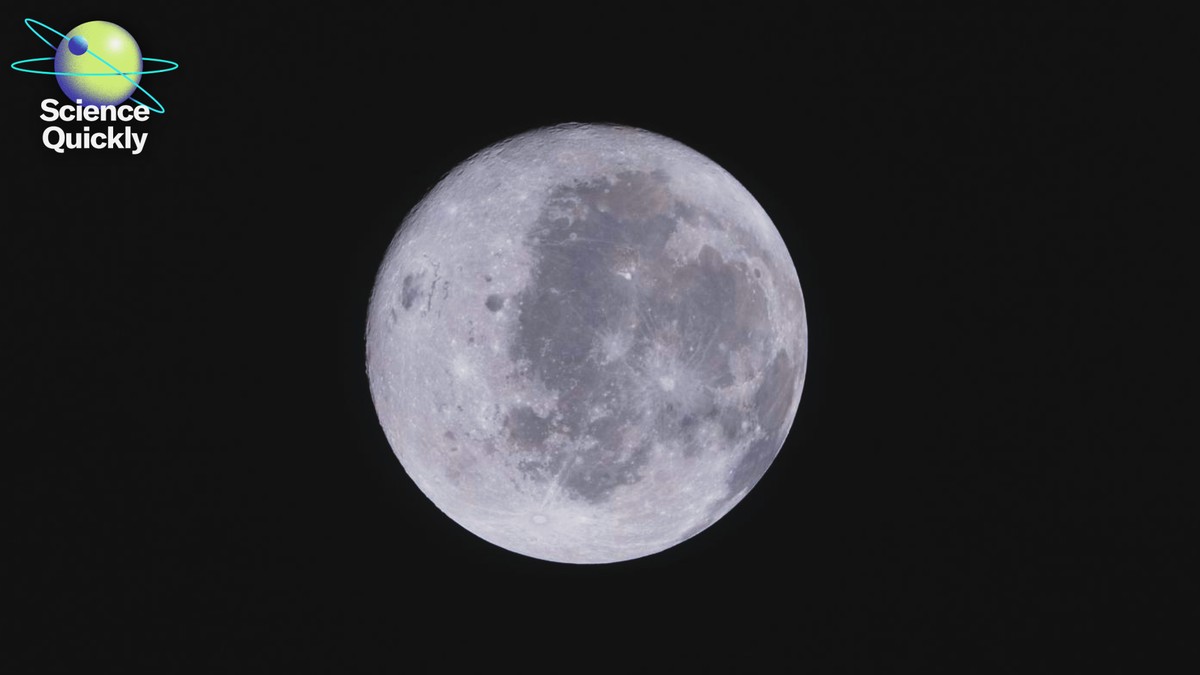
The successful splashdown of the Artemis II mission in the Pacific Ocean marks a pivotal moment in space exploration. After a 10-day journey spanning nearly 700,000 miles, the crew of the Integrity capsule has returned to Earth, proving that NASA’s modern lunar ambitions are more than just theory. However, as the agency prepares for the next phase of its lunar roadmap, the program is facing intense scrutiny regarding its astronomical costs, environmental impact, and the fundamental question of why we should be looking toward the stars when Earth faces so many terrestrial crises.
The Technical Success of Artemis II
From a purely engineering standpoint, Artemis II was a resounding success. The mission served as a vital “shakedown” for the Orion capsule and the Space Launch System (SLS) rocket.
Key takeaways from the mission include:
– Engine Performance: The European-built Orion main engine performed exceptionally well, executing a “translunar injection burn” so precisely that fewer corrective maneuvers were required than anticipated.
– Orbital Capability: The mission demonstrated the capsule’s ability to navigate the vacuum of space, a prerequisite for future docking maneuvers.
– The “Human” Factor: While the mission was largely flawless, it highlighted practical challenges—most notably, the technical difficulties of managing waste in a fully functioning lunar-orbit toilet, a reminder that space travel remains a gritty, unglamorous endeavor.
The Roadmap: From Visiting to Staying
Unlike the Apollo missions of the 1960s and 70s, which were largely “flags and footprints” missions designed to prove capability, the Artemis program is built on a different philosophy: permanence.
NASA’s goal is not just to visit the Moon, but to establish a sustained human presence there. The upcoming mission cadence is designed to build a bridge to a lunar research station, similar to the International Space Station (ISS) in Earth’s orbit.
The Upcoming Timeline:
- Artemis III (Expected 2025): This mission will test the capsule’s ability to transition from lunar orbit to the surface using a lander—potentially from providers like SpaceX or Blue Origin. It will also test new spacesuits in orbit.
- Artemis IV & V (Targeting 2028): NASA aims to increase the launch cadence to roughly two missions per year, moving toward regular human landings and return trips.
The Great Debate: Cosmic Wonder vs. Terrestrial Reality
Despite the technical triumphs, the Artemis program sits at the center of a profound socioeconomic and ethical debate. Critics and supporters alike are grappling with three primary tensions:
1. The Economic Cost
With the Artemis program through 2025 estimated to cost roughly $90 billion, many argue that these funds should be redirected toward immediate human needs, such as healthcare, food security, and infrastructure. While some scientists argue that space funding is not a “zero-sum game”—noting that we can fund both basic science and space exploration—the sheer scale of these price tags dwarfs even the most expensive terrestrial scientific experiments.
2. The Environmental Paradox
As a climate reporter might observe, there is a jarring contradiction in launching massive, carbon-intensive rockets at a time when the global priority is drastically reducing emissions. While the exact carbon footprint of a single lunar mission compared to global aviation is still being quantified, the increasing frequency of launches raises valid concerns about the environmental cost of exploration.
3. The Existential Argument
On the other side of the debate is the “multiplanetary” perspective. Proponents argue that exploring space is a form of biological insurance for Earth’s biosphere. They suggest that understanding the origins of life and the potential for life elsewhere is a fundamental human drive that enriches our existence and provides a necessary context for our place in the universe.
“Does it have to be one thing or the other, or can it be both?”
Conclusion
The Artemis II mission has proven that we have the technical capacity to return to the Moon, but it has also reignited the debate over whether we should. As NASA moves toward permanent lunar habitation, the challenge will be balancing the human drive for discovery with the urgent, practical demands of a planet in crisis.