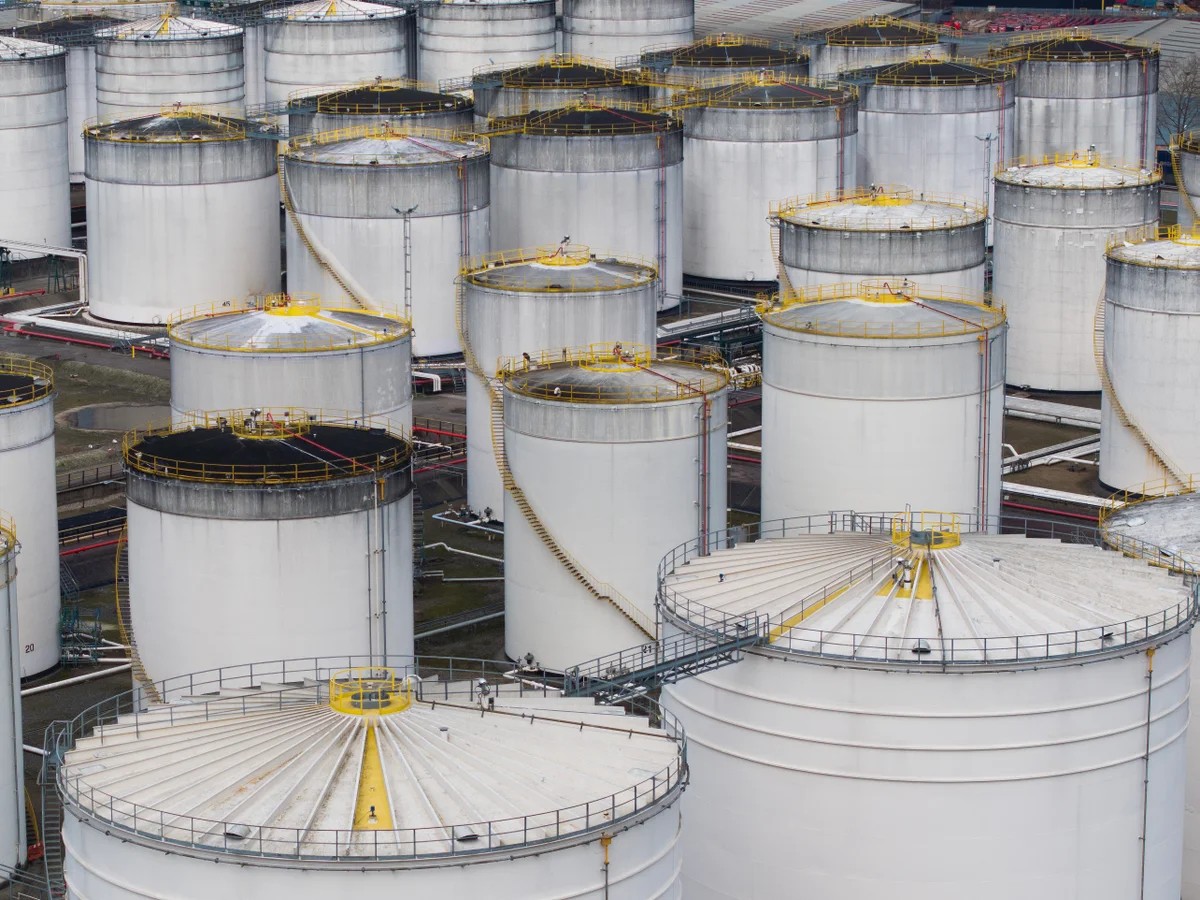
The ongoing conflict in Iran has severely restricted global oil supplies, pushing the market toward an unprecedented crisis. The International Energy Agency (IEA) reported Thursday that the war has reduced oil flow to a “trickle,” with energy costs expected to rise sharply across all fuel-dependent sectors.
Strategic Importance of Iran’s Oil Reserves
Iran’s dominance in the oil market isn’t accidental. The country sits atop a unique geological formation: the collision zone between the Arabian and Eurasian tectonic plates. This collision created the Zagros Mountains and a subsurface basin that traps vast hydrocarbon reserves, holding approximately 12% of the world’s total oil supply.
The disruption is not limited to crude oil. Markets for diesel and jet fuel are “particularly vulnerable” due to the region’s fossil fuel production halting.
Control of Critical Shipping Lanes
Compounding the issue is Iran’s control over the Strait of Hormuz, a narrow waterway through which roughly 20% of the world’s oil and liquid natural gas shipments pass. Following the escalation of hostilities on February 28, Tehran closed the strait, effectively cutting off a major artery of global energy trade.
Emergency Measures and Limited Relief
The IEA has responded by authorizing the release of 400 million barrels from its emergency reserves —the largest such disbursement in its history. However, this measure will only temporarily offset the estimated 8 million barrels per day in lost oil supply, covering just a few weeks of shipments that would normally pass through the Strait of Hormuz. Liquefied natural gas (LNG) and gasoline production facilities in the region have also been forced to shut down.
The situation is dire, and unless a resolution is reached quickly, the energy crisis will worsen. The war in Iran has exposed the fragility of global supply chains and the critical role played by key choke points in energy distribution.