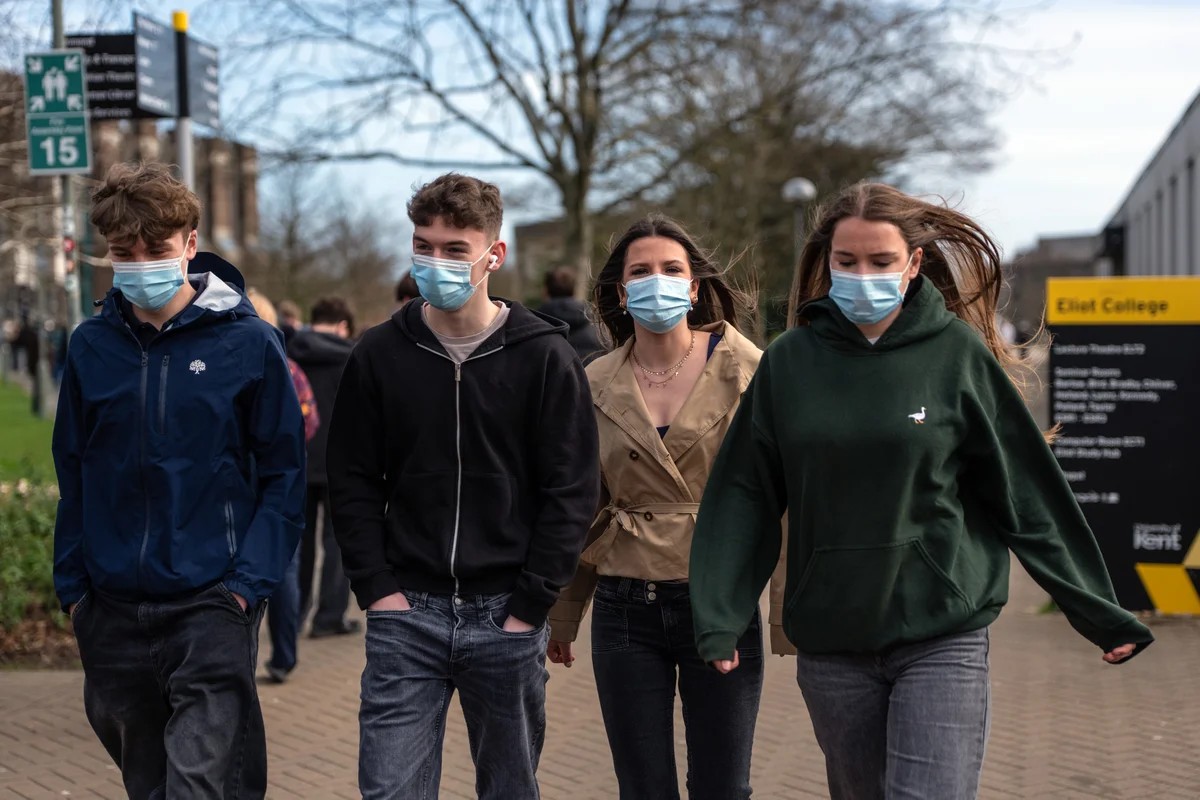
A dangerous outbreak of bacterial meningitis has claimed the lives of two students in the United Kingdom, prompting urgent public health responses. The outbreak, centered around the University of Kent in England, has sickened at least 11 others seriously, with over 30,000 people now being contacted for monitoring and potential preventative measures.
What is Meningitis?
Meningitis is an inflammation of the membranes surrounding the brain and spinal cord. The current outbreak is caused by Neisseria meningitidis, a highly contagious bacterium spread through respiratory droplets (coughing, sneezing, close contact). Symptoms appear rapidly and can include high fever, severe vomiting, confusion, stiff neck, muscle pain, and a distinctive rash that does not fade when pressed. Bacterial meningitis requires immediate antibiotic treatment to prevent severe complications, including brain damage and death.
Why is This Happening Now?
The UK has routine vaccination programs for meningitis, yet they aren’t foolproof. The primary vaccine, Bexsero (protecting against group B strains), is given to infants at 8 and 12 weeks, with a booster at one year. Another vaccine, MenACWY, protects against four other strains and is offered to teenagers and young adults who haven’t previously received a related vaccine. However, vaccine protection wanes over time, and the current outbreak’s strain remains unidentified, raising concerns about whether existing vaccines provide sufficient coverage.
The disease spreads quickly in crowded environments like universities and dormitories. This outbreak highlights the vulnerability of young adults, even in countries with established vaccination policies. The shift in UK guidance from a combined MenC vaccine to MenACWY at 18 months may also play a role, though the precise strain behind the current cases is still under investigation.
What’s Being Done?
The UK Health Security Agency is actively contacting individuals in the affected region to provide information and assess risk. Hospitals are prepared for a potential surge in cases, and public health officials are reinforcing hygiene measures and encouraging anyone with symptoms to seek immediate medical attention.
The rapid spread of this outbreak underscores the critical importance of continued surveillance, vaccine research, and public awareness to prevent future tragedies.
The current situation serves as a stark reminder that even preventable diseases can pose a serious threat when vigilance wanes.