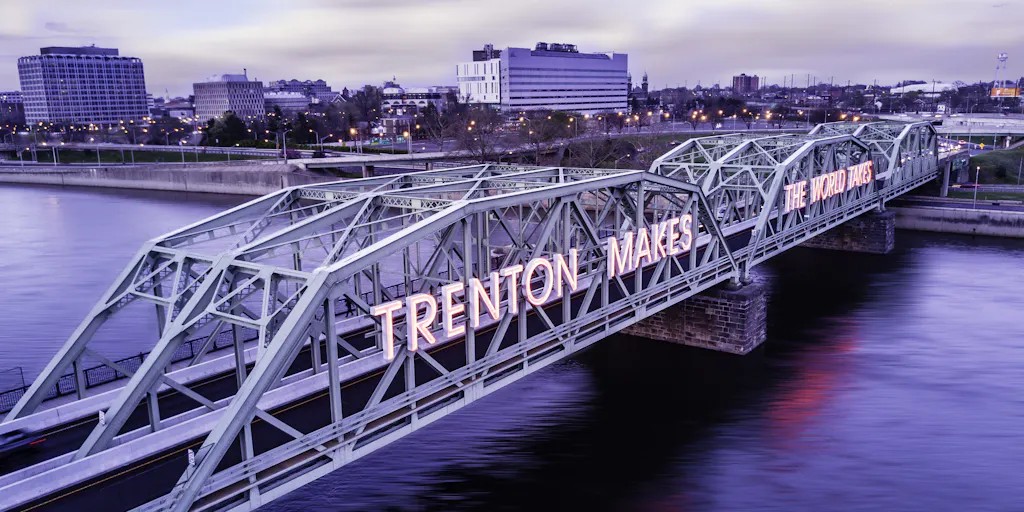
For many parents, the question of where to educate their children is straightforward. For me, as a first-generation graduate of an elite private school, the decision is complex. The memory of crossing the Delaware River as a child—leaving behind my working-class neighborhood for the manicured lawns of a predominantly white institution—remains vivid. It wasn’t just a geographical shift; it was a cultural one.
The Shock of Otherness
Third grade was the first time I truly understood what it meant to be othered. Surrounded by polo shirts and luxury cars, my Timberland boots and Ecko Red hoodie marked me as an outsider. The contrast was stark, and the realization that I was being viewed, not seen, was overwhelming. To navigate this new reality, I made a silent pact: attend, but never assimilate.
This refusal to compromise my identity carried through middle school, where I wrote in the literary magazine about the “privileges…but sometimes, the burden” of attending such an institution. The daily microaggressions and psychological toll were often more damaging than any academic benefit. The experience left a lasting mark, a survivor’s remorse that would shape my future decisions.
The Dilemma of Privilege
Now, as a parent, I face the same question my mother did decades ago: do I subject my children to the same predominantly white spaces that once isolated me? The decision isn’t simply about access to resources; it’s about psychological safety. Can we offset the potential harm with culturally affirming enrichment at home? Or are we destined to repeat a cycle of assimilation and alienation?
The reality is, my own path wasn’t linear. After graduating, I deliberately sought out spaces where my Blackness wasn’t a liability. I rejected prestigious high schools, preferring instead institutions where I could rise without compromising my identity. The private school foundation, while valuable, came at a cost: years of suppressed rage and sadness expressed through poetry and rebellion.
The Broader Systemic Issues
This isn’t just a personal story; it reflects a larger pattern of inequity in American education. While elite private schools may offer advantages, they also perpetuate a system where privilege is often inherited, not earned. The data is clear: access to quality education remains heavily stratified by race and class.
The question of success itself is subjective. Is it defined by income, prestige, or personal fulfillment? For me, success means reclaiming agency and challenging the systems that once sought to define me. It means acknowledging the cost of privilege and making informed choices for my children.
The Path Forward
My children will not follow my path. They will not endure the same psychological toll in the name of “opportunity.” Instead, they will grow in environments where their identities are celebrated, not questioned. The wisdom gained from my own experiences, combined with the resources and insight we now possess, will guide our decisions.
The grind may still be real, but it will be a grind on our own terms. The goal isn’t just to succeed; it’s to build a future where my children can thrive without sacrificing who they are. The knowing—the hard-won wisdom of a parent who has been there—is what makes all the difference.