Concrete is the backbone of modern infrastructure, but its production comes with a heavy environmental price tag. Manufacturing cement, the key binding ingredient in concrete, is responsible for approximately eight percent of global carbon dioxide emissions. As researchers scramble to decarbonize the construction industry, a team of engineers at Purdue University has turned to an unlikely source of inspiration: the oyster.
The Secret of Natural Adhesion
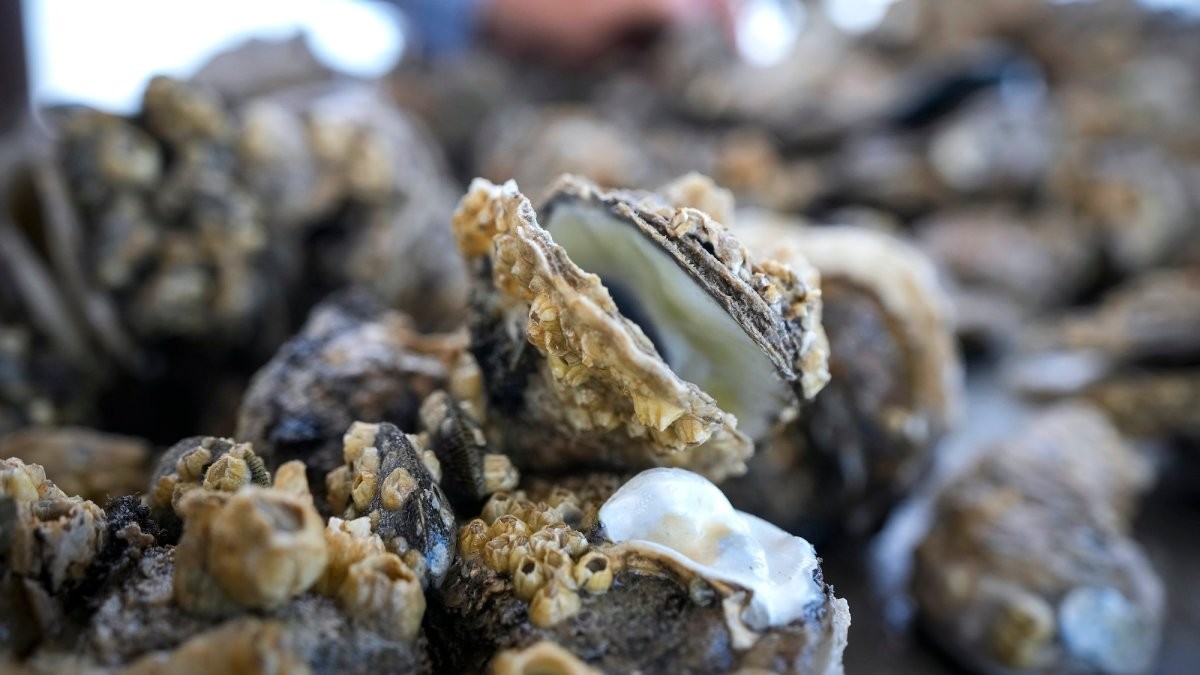
Oysters are master builders. They create robust reef structures by secreting a natural cement that binds them together, even in the harsh, wet environment of the ocean. This biological adhesive relies on a unique chemical combination that human engineering has struggled to replicate.
According to a study published in the journal Chemistry of Materials, oysters produce calcium carbonate —the same inorganic compound found in chalk and limestone. However, calcium carbonate alone is not particularly sticky. The secret lies in the addition of phosphorylated proteins, organic materials that act as a binder. This combination allows oysters to fuse together firmly, resisting the forces of water and time.
“Oysters generate a natural cement. They use this material for attaching to each other when building reef structures,” explained Jonathan Wilker, a chemist and co-author of the study.
From Lab to Load-Bearing Strength
Wilker’s team sought to mimic this biological process to create a synthetic alternative to traditional cement. The process involved two main steps:
- Deconstructing the Biology: The researchers analyzed the chemical composition of oyster cement to understand how the inorganic and organic components interact.
- Synthesizing the Mimic: They recreated this biomimetic cement in the lab and tested it on limestone bathroom tiles, which share the same calcium carbonate structure as oyster shells.
The initial results were promising. In stress tests, the tiles themselves fractured before the artificial oyster cement bond failed, indicating superior adhesion compared to the material it was holding.
A Leap in Performance and Sustainability
The most significant breakthrough came when the team integrated a polymer derived from their oyster-inspired cement into commercially available concrete mixtures. The results were dramatic:
- Strength: The new concrete was 10 times stronger than standard mixes.
- Durability: It doubled its compressive strength, making it more resistant to heavy loads and pressure.
- Efficiency: The mixture cured faster than traditional concrete, potentially speeding up construction timelines.
Beyond performance, the innovation addresses the environmental crisis head-on. Most commercial adhesives and cement additives are derived from petroleum-based organic compounds. By contrast, the oyster-inspired formula is bio-based and significantly more eco-friendly.
Why This Matters
This development highlights a growing trend in materials science: biomimicry. By observing how nature solves engineering problems—such as adhesion in wet environments—scientists can develop solutions that are not only more effective but also sustainable.
As the construction industry seeks to reduce its carbon footprint, innovations like this offer a path forward. They raise important questions about how far we can go in replacing industrial processes with biological ones, and whether we can scale these laboratory successes to meet global demand for building materials.
Conclusion
The oyster-inspired cement represents a dual victory for engineering and ecology, offering a material that is significantly stronger and faster to produce than traditional concrete while drastically reducing reliance on carbon-intensive manufacturing processes.