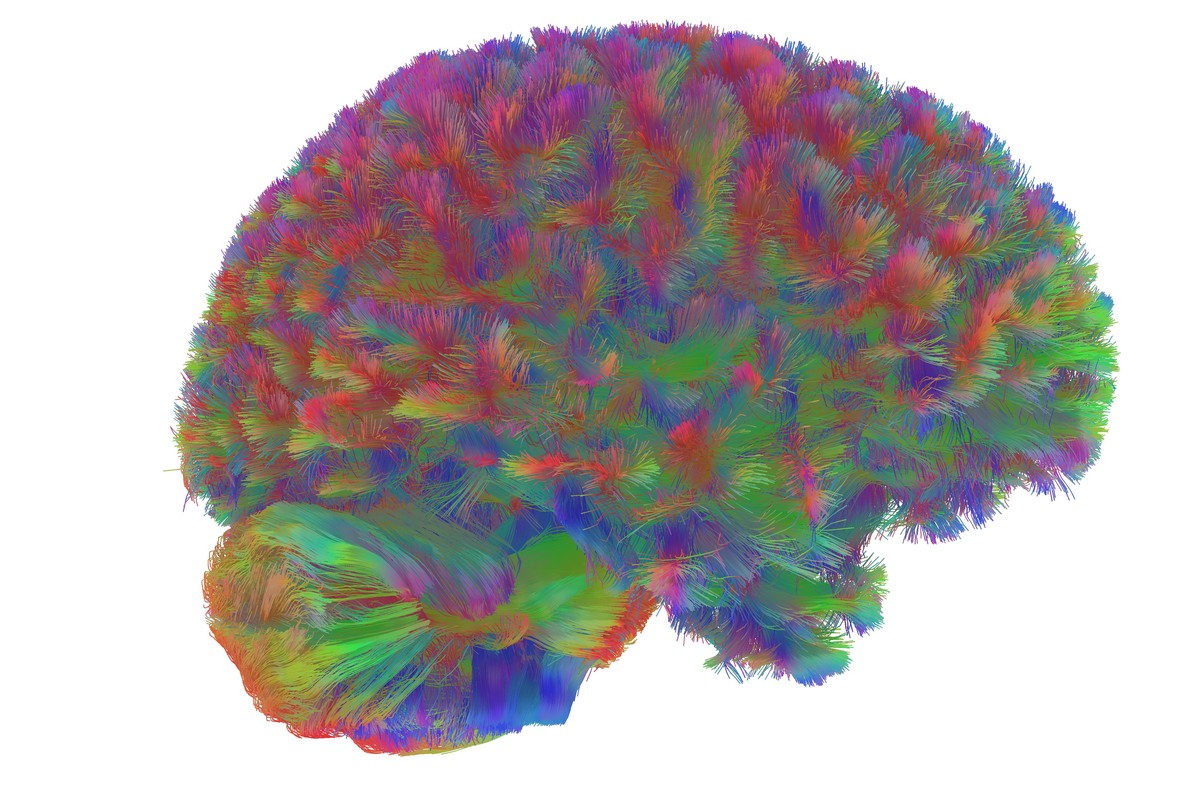
Нове дослідження, опубліковане в журналі Nature Communications, показує, що людський мозок не старіє лінійно, а проходить через п’ять окремих фаз розвитку та занепаду, відзначених ключовими структурними поворотними моментами у віці дев’яти, 32, 66 і 83 років. Ці зміни впливають на те, як ми обробляємо інформацію протягом усього життя.
Ранній розвиток мозку: від народження до дев’яти років
Від народження до дев’яти років нейронні зв’язки мозку швидко розвиваються, формуючи базову архітектуру. Цей період характеризується послідовними моделями росту, тобто мозок формується подібним чином у всіх людей протягом цих важливих років. Ця рання фаза закладає основу для майбутніх когнітивних здібностей.
Підлітковий вік і максимальна продуктивність: від 9 до 32 років
З початком підліткового віку мозок починає перебудовуватися, і цей процес триває до 32 років. У цей період структурний розвиток досягає свого піку, що свідчить про те, що раннє доросле життя є періодом максимальної когнітивної ефективності. Нейроболог Алекса Мауслі, провідний автор дослідження, зазначає, що зміни в цю епоху відрізняються від тих, що відбуваються в інших фазах життя.
Довге плато: через 32 роки
Приблизно в 32 роки мозок вступає в найдовшу фазу перебудови. Хоча зв’язки починають стабілізуватися, згідно з попередніми дослідженнями, цей період збігається з плато в інтелекті та особистості. Ця стабілізація вказує на те, що мозок досягає рівня зрілості, при якому подальший швидкий розвиток сповільнюється.
Занепад і деградація: від 66 до 83 років
Після 65 років зв’язки мозку починають слабшати, а до 83 років – ще більше. Ці зміни знаменують початок когнітивного зниження, пов’язаного зі старінням. Хоча точні механізми залишаються неясними, ці зміни є природною частиною процесу старіння.
Що це означає?
Результати дослідження можуть відображати ширші закономірності людського досвіду, як зазначає професор Кембриджського університету Дункан Естл: «Мозки також рухаються в ці епохи». Однак дослідження залишає відкритими питання про те, що зумовлює ці переходи. Спосіб життя, генетичні фактори та еволюція можуть зіграти певну роль.
Зрештою, хоча дослідження виявляє чіткі фази старіння мозку, основні причини цих зрушень залишаються невідомими. Потрібні подальші дослідження, щоб зрозуміти, як оптимізувати здоров’я мозку протягом усього життя.