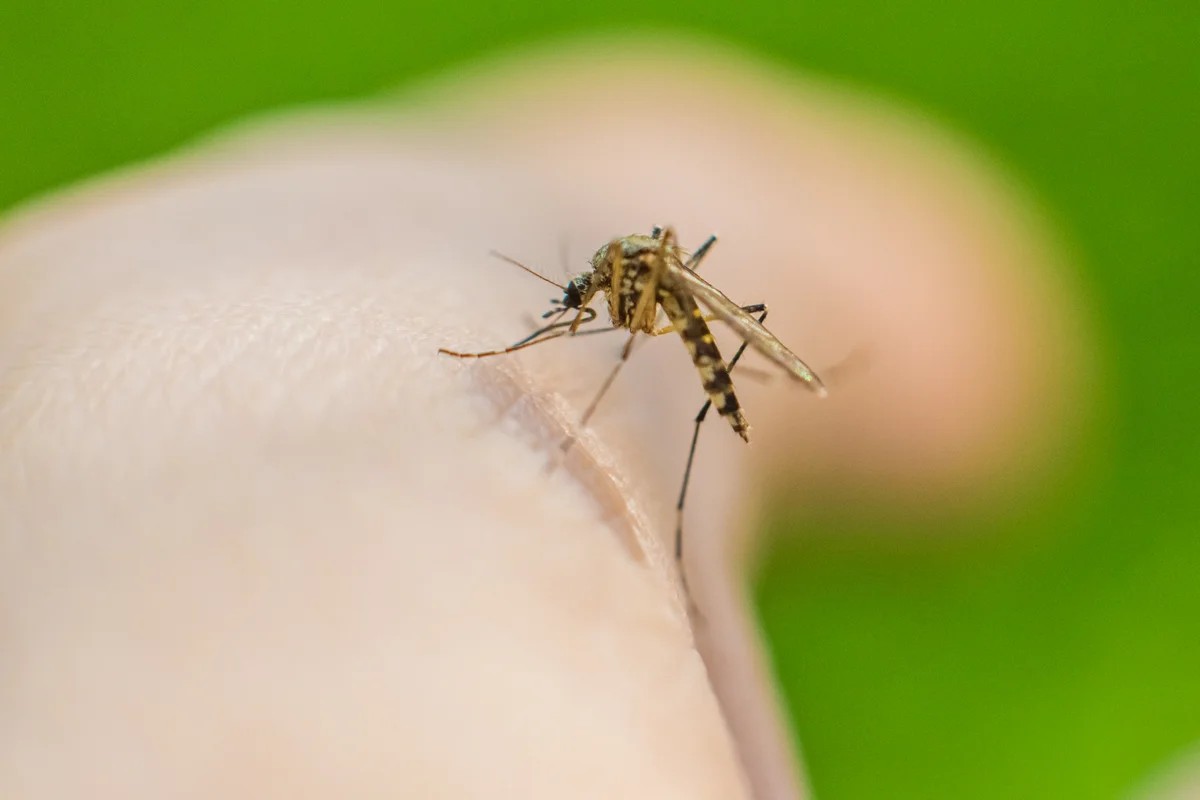
New genetic research suggests mosquitoes’ preference for human blood evolved alongside Homo erectus, potentially as early as 1.8 million years ago. This discovery reshapes our understanding of mosquito evolution and carries implications for the future spread of mosquito-borne diseases.
Ancient Ancestry: When Did Mosquitoes First Target Humans?
For decades, scientists have sought to understand why some mosquito species so aggressively target humans while others prefer animal hosts. A study published in Scientific Reports sheds new light, analyzing the DNA of 40 mosquitoes from 11 species within the Anopheles leucosphyrus group, native to Southeast Asia. The research team, led by Upasana Shyamsunder Singh of Vanderbilt University, found that the genetic shift toward human blood-feeding — termed “anthropophily” — likely occurred between 2.9 and 1.6 million years ago.
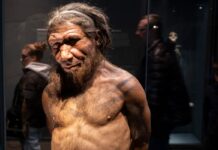
This timeline directly overlaps with the period when Homo erectus, an early human ancestor, first populated the region. Researchers believe this suggests early humans weren’t simply a new food source for mosquitoes, but a driving force behind the shift in their feeding habits.
Why This Matters: Beyond Evolutionary History
The study’s findings are significant for several reasons:
- Evolutionary Insight: It challenges the assumption that human blood-feeding evolved only with the arrival of Homo sapiens. Instead, it indicates a much deeper, more ancient adaptation.
- Epidemiological Implications: Mosquitoes are still evolving, and as humans encroach further into their habitats, the pressure for them to adapt to human blood is increasing. This could accelerate the spread of deadly diseases like malaria, dengue fever, and Zika.
- Human Abundance is Key: For mosquitoes to switch from primate hosts to humans, early Homo erectus populations must have been sizable and readily available. This suggests the first encounters were more than fleeting: early humans were an abundant resource.
“We are effectively creating novel selective pressures, and we should expect mosquitoes to respond to these,” says Catherine Walton, co-author from the University of Manchester.
The Future of Mosquito-Human Interactions
The study’s conclusion is clear: the relationship between mosquitoes and humans has deep roots, and it’s a dynamic one. As long as humans continue to alter ecosystems, mosquitoes will likely continue to adapt, potentially favoring human blood even more strongly. Understanding this evolutionary trajectory is crucial for developing more effective disease control strategies and mitigating the risks of future outbreaks.