


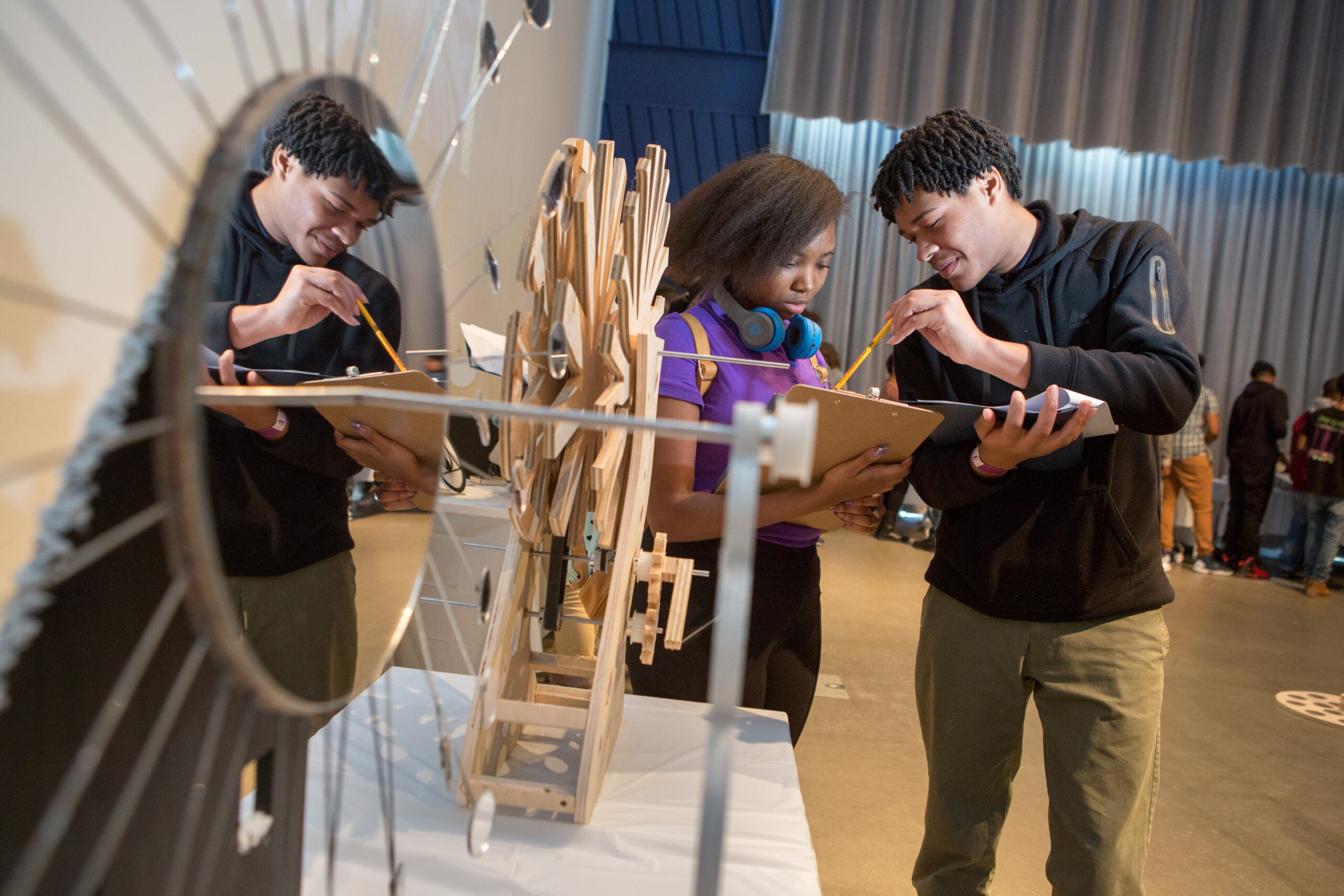
The most effective STEM (Science, Technology, Engineering, and Mathematics) lessons aren’t about effortless success; they’re about embracing the challenge, learning from setbacks, and refining ideas through repeated attempts. This isn’t just anecdotal – educators are increasingly realizing that productive struggle is a critical component of genuine STEM engagement.
The Problem with “Easy” STEM
Many traditional STEM activities are designed for guaranteed outcomes. Teachers meticulously organize materials, provide detailed instructions, and aim for students to complete tasks perfectly. While this approach produces neat results, it often fails to spark lasting curiosity. Students may follow directions flawlessly, but they rarely retain the same energy or depth of understanding as when they grapple with real challenges. The core issue is that removing obstacles also removes opportunities for critical thinking.
Why Failure Is Essential for Innovation
Real-world engineering and scientific discovery aren’t linear processes. Engineers, scientists, and innovators consistently iterate – testing ideas, analyzing failures, and refining designs. This process isn’t just about building something that works ; it’s about developing a mindset that views setbacks as valuable data points. When students experience productive struggle, they internalize this process and begin to see themselves as problem-solvers rather than passive task completers.
Three Key Shifts for Better STEM Engagement
Years of teaching STEM in classrooms and enrichment programs have revealed three simple but powerful adjustments:
- Start with a Challenge, Not Instructions: Instead of outlining how to build something, present a problem. For example, ask students: “How can you design a wind-powered vehicle that travels the farthest distance?” This open-ended approach immediately encourages brainstorming and fosters creativity, leading to diverse solutions.
- Normalize Failure as a Learning Opportunity: In the real world, failure isn’t a setback; it’s feedback. When designs collapse or prototypes malfunction, guide students to ask: “What went wrong?” and “How can we improve?” A classroom that treats failure as part of the process empowers students to experiment and take intellectual risks.
- Shift from Instructor to Coach: Instead of providing answers, teachers should facilitate learning through thoughtful questioning. Ask: “What do you notice about your design?”, “What might happen if you change this part?”, or “How could you test your idea differently?” This keeps students in control of their solutions while encouraging self-reflection.
The Benefits of Embracing the Struggle
When productive struggle is integrated into the learning environment, classrooms become more dynamic. Students collaborate organically, debate ideas, test multiple iterations, and celebrate incremental improvements. Instead of asking, “Are we done?”, they ask, “Can we try again?” This shift from task completion to solution-seeking is where true engagement begins.
Ultimately, the most powerful STEM learning happens when students struggle first and discover solutions themselves. This approach doesn’t just teach technical skills; it cultivates resilience, critical thinking, and a genuine passion for exploration.


