Schools possess a powerful, yet often untapped, economic partner right in their communities: the local Chamber of Commerce. Leveraging this connection isn’t just about career fairs or guest speakers; it’s about building systemic pathways to economic mobility that traditional education alone cannot provide.
Why This Matters: Students often lack awareness of opportunities beyond their immediate surroundings. Chambers represent a dense network of local businesses, mentorship opportunities, and real-world experience—access to which can dramatically alter a student’s trajectory. The current model leaves many students disconnected from the very economies they will soon enter.
Arizona’s Systems-Level Approach
The Phoenix Chamber Foundation has pioneered a three-pronged approach to maximize impact: embedding career coaches in schools, driving district-wide systems change, and advocating for supportive state policies. Their ElevateEdAZ initiative operates across 20 high schools, but its effectiveness stems from direct collaboration with teachers, students, and families.
The Key Insight: Arizona leads in manufacturing job growth, especially in semiconductors, yet lacks sufficient training programs. This disparity—60,000 projected jobs versus only one manufacturing program serving 24 students—highlights the urgency of bridging the gap between skills and opportunity. The Chamber’s approach involves bringing competing employers together to address workforce challenges collectively.
Exposure in Growing Communities
In areas undergoing rapid change or facing geographic isolation, students suffer from a lack of exposure, not a skills deficit. This is particularly evident in towns like Fredericksburg, Texas, which has transformed into a tourism and entrepreneurship hub.
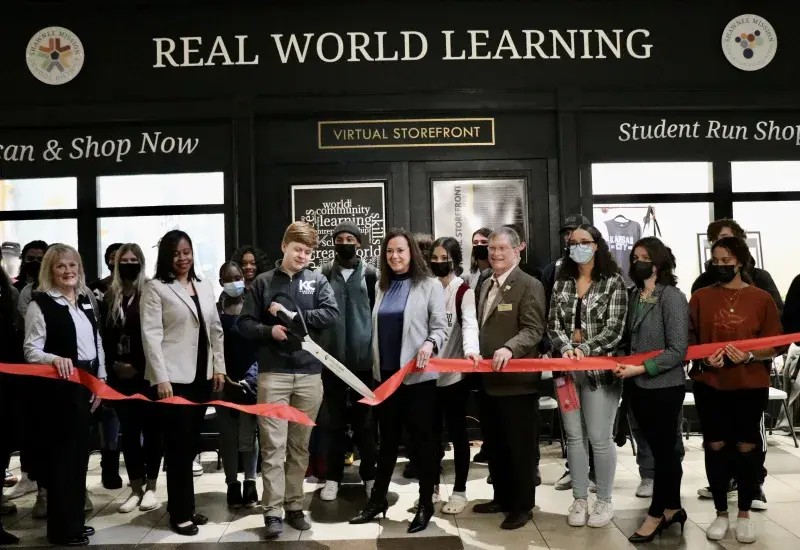
The Solution: Structured programs like INCubatoredu activate the Chamber, Economic Development Council, and local businesses. A simple chamber ribbon-cutting can signal strong community support, while weekly mentor sessions provide invaluable connections. These partnerships aren’t just about business skills; they’re about building confidence and access for students who might otherwise miss out.
Student-Led Chambers: A New Model
The Shawnee Mission School District in Kansas has taken this concept further by launching the Shawnee Mission Student Chamber of Commerce—a first-of-its-kind initiative that treats student-run businesses as legitimate economic contributors.
The Impact: By giving students the same platform, credibility, and support as established entrepreneurs, this model reframes their role from “future participants” to current contributors. It’s a shift in mindset that chambers need to embrace if they want to build relevant talent pipelines.
How Schools Can Act Now
The Chamber of Commerce isn’t just a networking organization; it’s a living map of the local economy. Schools looking to leverage this partnership should:
- Start with a conversation: Engage the chamber’s executive director with a clear vision for collaboration.
- Create structured touchpoints: Establish regular mentorship sessions, networking events, or project-based partnerships.
- Make it reciprocal: Frame partnerships as mutually beneficial, recognizing the value students bring to local businesses.
- Showcase the work publicly: Public recognition amplifies impact and attracts further support.
- Focus on access, not just achievement: Ensure all students, especially those from underserved communities, gain exposure to local opportunities.
At its core, these partnerships address a fundamental gap in education: the disconnect between what students learn and where opportunity actually exists. By grounding students in the economic reality of their community, schools can ensure they are prepared not just for college, but for the workforce that awaits them.