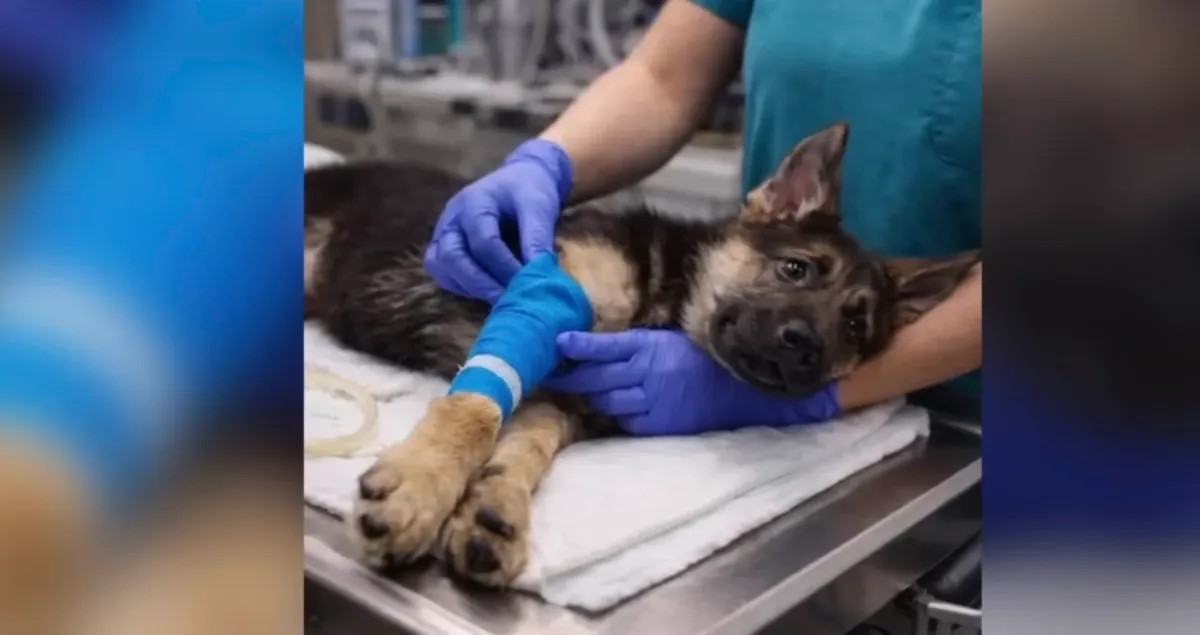
Increasingly sophisticated artificial intelligence (AI) is being weaponized by scammers to prey on the emotional vulnerability of pet owners. Attackers generate realistic images of supposedly injured or missing animals, then demand money for fake veterinary bills or recovery costs. This tactic exploits the desperation of owners who have lost their pets, leveraging their willingness to do anything to bring them home.
The Scam in Action
The scheme unfolds rapidly. Owners posting “lost pet” notices online are quickly contacted by scammers presenting what appears to be photographic evidence of their animal in distress. In one case in Florida, a dog owner received a call from someone posing as police, claiming his German shepherd had been hit by a car and needed urgent surgery. The caller sent an AI-generated image of the dog on an operating table, demanding $1,900 via mobile payment. Though the owner complied, his bank flagged the transaction as suspicious. Eventually, he sent a smaller amount before discovering his dog was safe at home all along.
Similar incidents have been reported in California, with scammers contacting veterinary offices to corroborate their false claims. One elderly man was told his service dog was recovering from surgery and pressured to send money for its “care.” The Animal Compassion Team in Fresno receives approximately 20 such reports daily.
AI’s Role in Escalation
Scam protection expert Tomas Sinicki explains that this trend represents a dangerous evolution of social engineering. AI image generators now allow criminals to create highly personalized scams that bypass skepticism. The emotional weight of a lost pet makes victims especially vulnerable. Sinicki notes that AI-generated images and voice clips are often considered “proof” enough to extract money.
Fake Euthanasia Threats
The deception extends beyond injury claims. Scammers are using AI to fabricate images of shelter animals supposedly facing euthanasia, prompting desperate donations to “save” them. Monica Wylie, director of San Jose Animal Care and Services, reported her organization received hundreds of calls following the spread of these fake posts, many featuring exaggerated, tearful depictions of animals. The reality: these animals were never at risk of euthanasia.
Social Media Amplification
The Facebook group “Saving Shelter Dogs from Euthanasia,” with over 126,000 followers, has been a major vector for these scams, posting a mix of real and AI-generated content. Though Meta’s AI Terms of Service prohibit deceptive use of AI, the page remained active for months before becoming inaccessible after inquiries from Popular Science.
The Future of Cybercrime
Sinicki warns that AI is streamlining cybercrime in unprecedented ways. Just as the assembly line revolutionized manufacturing, AI allows criminals to mass-produce sophisticated, customized attacks at scale. The implications are clear: in the age of deepfakes, trust in digital evidence is rapidly eroding.
Protecting Yourself
Pet owners can mitigate their risk by remaining skeptical of unsolicited messages, especially those demanding urgent payment. Verify information through official channels (e.g., calling a shelter directly) and treat all images or videos from unknown contacts as potentially fake. In today’s environment, visual or auditory “proof” is no longer reliable.