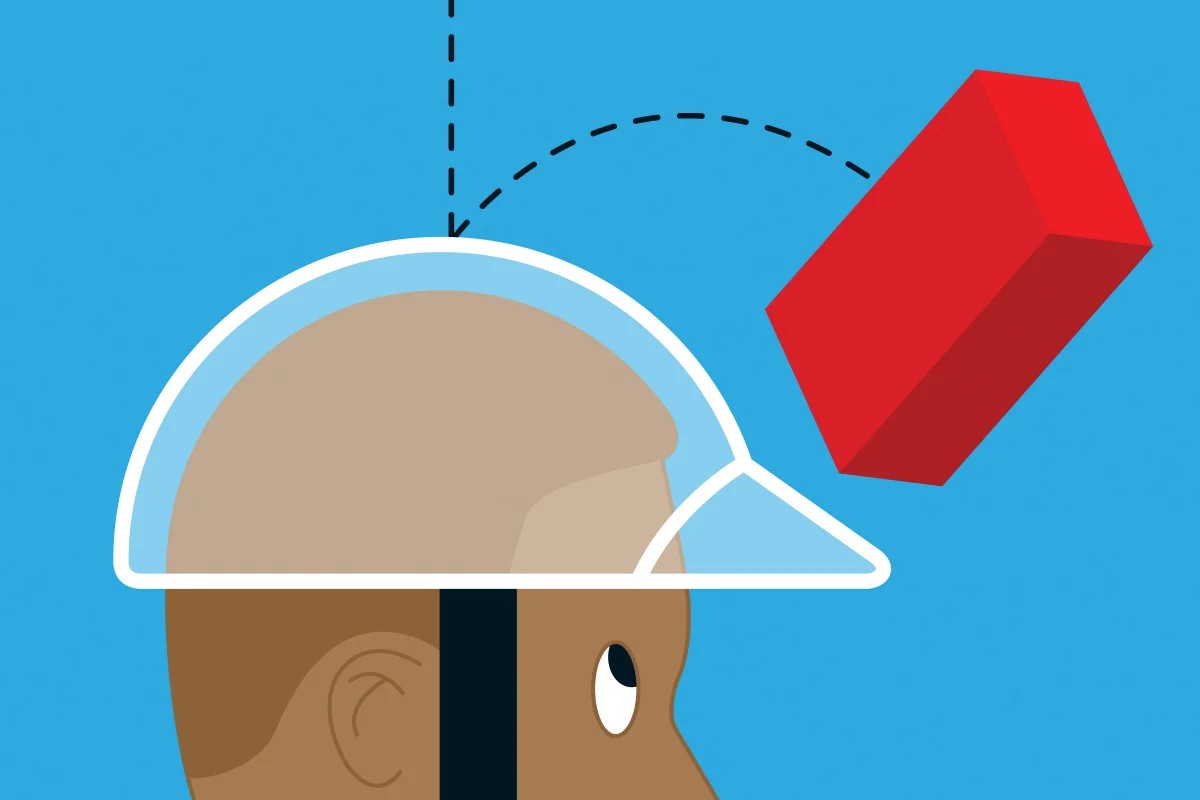
Researchers have discovered a new category of matter that breaks long-standing rules of material science. Dubbed “compleximers,” these substances possess a paradoxical combination of traits: they can be molded with the ease of window glass, yet they resist impact with the toughness of plastic.
Breaking the Traditional Rules of Glass and Plastic
To understand why this discovery is significant, one must first understand the nature of “glassy” materials. Both window glass (silica) and most plastics are amorphous ; unlike ice, which forms a neat crystalline structure when it freezes, these materials solidify into a random, disorganized mass of atoms.
For decades, a fundamental rule in physics suggested a direct trade-off between how a material melts and how much impact it can withstand:
– Slow-melting materials (like window glass) tend to be brittle and shatter easily upon impact.
– Fast-melting materials (like most plastics) tend to be more durable and impact-resistant.
The team at Wageningen University, led by physical chemist Jasper van der Gucht, has developed a material that ignores this correlation entirely, maintaining high impact resistance despite a slow melting process.
How Compleximers Work: The Power of Ionic Bonds
The secret to this material lies in its molecular architecture. While traditional plastics use various types of chemical bonds to hold their long molecular chains (polymers) together, the researchers took a different approach to create an eco-friendly alternative to thermosets.
Thermosets are highly stable plastics, but they are notoriously difficult to recycle because their chemical bonds are so permanent. To solve this, the researchers engineered compleximers using:
1. Charged molecules: These create “ionic bonds” based on the principle that opposites attract.
2. Long-range interactions: Unlike standard chemical bonds, these ionic interactions reach across greater distances, helping the material stay compact and stable even as it heats up.
3. Water-repelling compounds: These ensure the molecular chains do not disintegrate when exposed to moisture.
By using these long-range ionic interactions, the material avoids the rapid expansion typically seen during melting, allowing it to remain structurally sound even as it transitions from a solid to a moldable state.
Potential Applications and Scientific Impact
The ability to manipulate these materials offers several practical advantages for both industry and consumers:
- Sustainable Manufacturing: Because compleximers are meltable, they offer a much more recyclable alternative to the permanent, “one-and-done” nature of thermoset plastics.
- Easy Repairs: Unlike many hard plastics that require total replacement if damaged, compleximer-based objects can be repaired simply by using a heat gun to “heal” scratches or cracks.
- Advanced Protective Gear: This technology could eventually lead to the creation of high-strength, easily customizable helmets and safety equipment.
Beyond practical uses, the discovery provides a vital clue for theoretical physicists. By observing how these long-range interactions affect the glass transition —the process by which a liquid becomes a solid—scientists may finally be able to develop a more universal theory of how glass forms.
“The slow melting also means compleximer-based objects are easier to fix… just by heating it with a heat gun, you can repair a scratch or a crack.” — Jasper van der Gucht
Conclusion: By leveraging long-range ionic bonds, compleximers bridge the gap between the workability of glass and the durability of plastic, offering a new frontier for both sustainable manufacturing and fundamental physics.