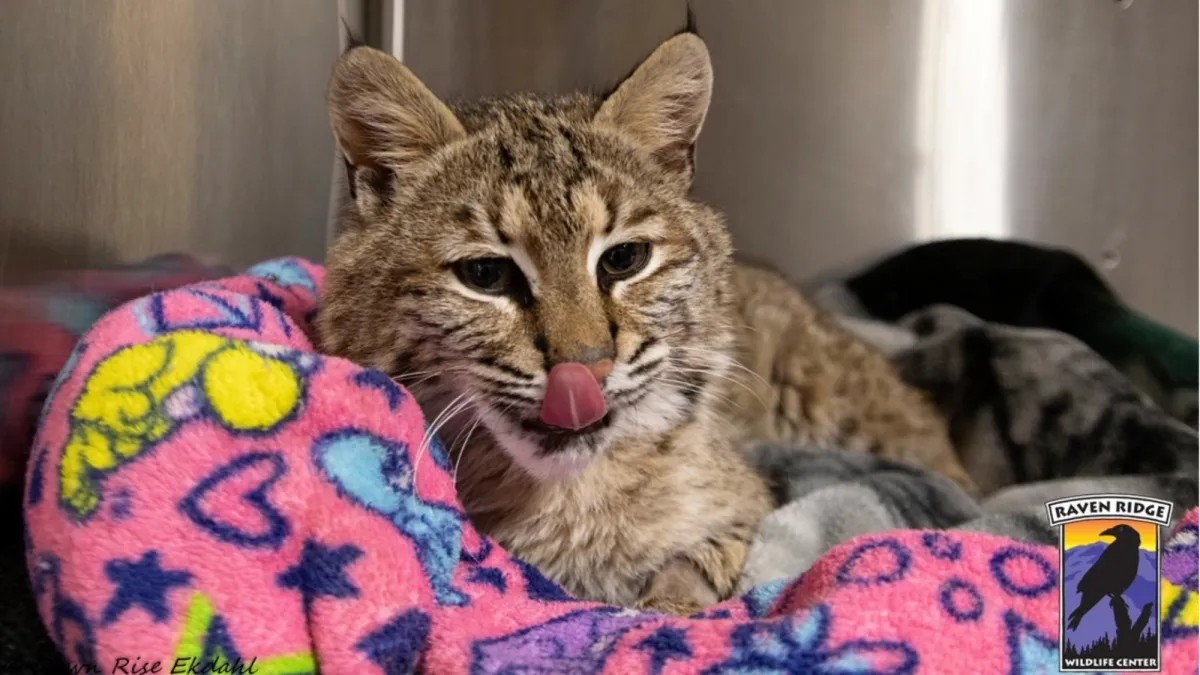
A wild bobcat in Pennsylvania is making a remarkable recovery after being struck and dragged by a car in February. The incident, documented in graphic photos circulating online, left the feline with severe injuries, but an unlikely series of events and dedicated veterinary care have given the animal a fighting chance.
Initial Trauma and Rapid Response
Tracie Young, director of the Raven Ridge Wildlife Center, received a call from a game warden about the injured bobcat. Despite grim expectations, the cat survived the transport to the center, though its condition was critical. Immediate X-rays were needed, but due to the timing (Sunday, with nearby veterinary practices closed), a mobile X-ray unit was secured through an equestrian veterinarian.
The scans revealed fractures in both the front and back right legs, consistent with a high-impact collision. Consultation with wildlife experts and orthopedic surgeons was crucial to determine the feasibility of surgery.
The Decision to Operate
The team faced a difficult ethical question: was intervention worthwhile? Wild animal rehabilitation is inherently uncertain. Shattered bones often heal poorly, leading to chronic pain or disability. In many cases, euthanasia is the most humane option. However, this bobcat’s fractures were clean, not involving joints, offering a rare opportunity for successful surgical repair.
“I’m really shocked that there wasn’t more facial trauma… if she had lost an eye, we wouldn’t be able to release her back into the wild.” — Tracie Young
Complex Surgery and Recovery
The surgery, performed by two surgeons simultaneously, lasted over four hours and cost over $9,000. The bobcat is now under heavy pain management and requires strict confinement for two months to prevent re-injury. Despite this, its progress is “fantastic,” according to Young. The animal is regaining its natural behavior, hissing, growling, and eating normally – a sign of improving health.
Preventing Future Collisions
The bobcat is scheduled for follow-up X-rays in five weeks, with the ultimate goal of release. This case highlights the importance of driver awareness, particularly during bobcat mating season (January through April). Animals are more active and unpredictable during this time.
If you encounter injured wildlife, contact a rehabilitator or wildlife agency immediately. Drivers should exercise caution and be mindful of their surroundings to avoid collisions.
The bobcat’s survival is a testament to the dedication of wildlife professionals and the resilience of nature.