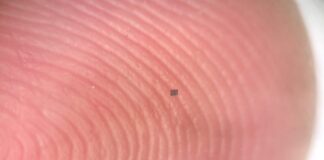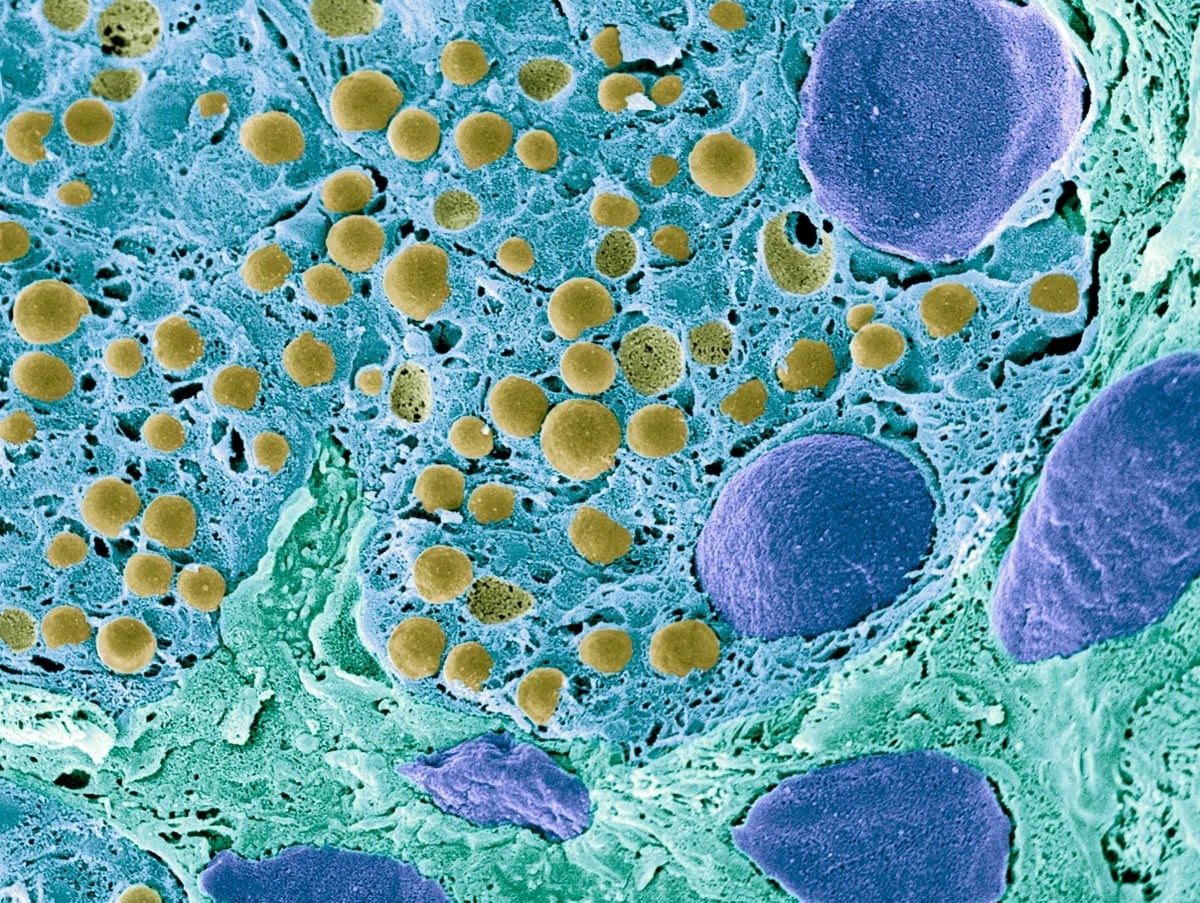
A new cell transplant therapy has demonstrated the ability to restore some insulin production in a patient with Type 1 diabetes, marking a significant step toward potential long-term treatment or even a cure. For the first time, lab-engineered insulin-producing cells have been successfully transplanted into a human without triggering the typical immune rejection response.
The Challenge of Type 1 Diabetes
Type 1 diabetes affects roughly two million people in the U.S. and is an autoimmune disease where the body destroys the insulin-producing cells in the pancreas. This forces patients to rely on daily insulin injections or pumps to manage their blood sugar levels, a lifelong burden with potential complications if not carefully maintained. Previous attempts to replace these cells through transplants failed because the body’s immune system inevitably attacked them, requiring patients to take immunosuppressant drugs indefinitely.
The New Approach: Gene-Edited Cells
Researchers overcame this hurdle by using the CRISPR gene-editing tool. They modified donor cells to deactivate the genes that signal the immune system to attack foreign tissue, while simultaneously enhancing a gene that discourages immune attacks. This resulted in cells that could evade detection and survive within the patient’s body.
Results and Future Outlook
Twelve weeks after receiving 80 million of these modified cells, the patient showed sustained insulin production, although at a modest level – approximately 7% of their total daily requirement. Crucially, this was achieved without the need for immunosuppressant drugs, eliminating the associated side effects.
Scientists will continue monitoring the patient and testing higher doses of the edited cells in future trials. If successful, this approach could eventually lead to a functional cure for Type 1 diabetes, liberating patients from lifelong dependence on external insulin sources. This breakthrough also holds promise for treating other autoimmune diseases where immune rejection is a major obstacle.
“This is a major milestone,” says one expert, “for the body to be producing even a little bit of insulin on its own without immunosuppressants.”
The research represents a tangible advancement in cellular therapy, pushing the boundaries of what’s possible in treating autoimmune conditions.