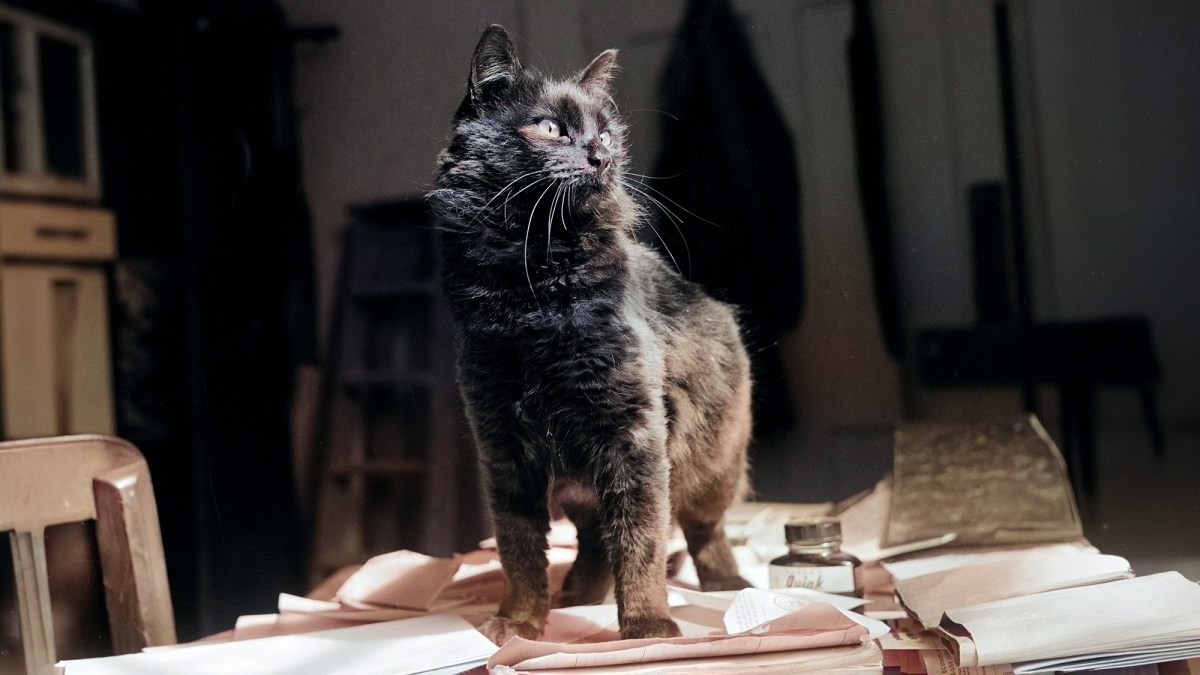
During the height of the Cold War, the Central Intelligence Agency (CIA) pursued a bizarre and ultimately unsuccessful project known as “Acoustic Kitty.” The goal: to transform domestic cats into covert espionage agents. This initiative, while seemingly absurd, reveals a period of extreme experimentation within the agency and highlights the challenges of controlling animal behavior for intelligence purposes.
The Acoustic Kitty Project: A Brief History
In the 1960s, the CIA explored unconventional methods for gathering intelligence, including using animals. The idea behind Acoustic Kitty was to implant a microphone and transmitter into a cat’s body, allowing it to eavesdrop on conversations near Soviet embassies. The agency believed a cat could infiltrate secure locations unnoticed due to its small size and unassuming nature.
Why It Failed: Cats Will Be Cats
The project quickly ran into problems. The primary issue wasn’t technical feasibility but the cats themselves. According to both former CIA agent Victor Marchetti and animal trainer Bob Bailey, the cats proved impossible to control. One cat was reportedly hit by a car before reaching its target, while others simply refused to cooperate. Cats, unlike dogs bred for obedience, operate on their own terms, prioritizing personal comfort over human commands. As Stephen Quandt, a cat behaviorist, explains, cats “want to do exactly what they enjoy, without respect to whether we want them to do it or not.”
The Science Behind Cat Behavior
The failure of Acoustic Kitty underscores a fundamental difference between domestic cats and dogs. Dogs have been selectively bred for millennia to please humans, while cats largely self-domesticated by associating with humans only when it benefited them (e.g., pest control). This evolutionary divergence explains why training a cat to spy is significantly harder than training a dog to perform tasks.
The CIA’s Assessment and Legacy
Despite the setbacks, the CIA continued to document the project, with redacted documents acknowledging the possibility of training cats but ultimately concluding it was impractical. The Acoustic Kitty program serves as a cautionary tale about the limits of animal-based espionage and the importance of understanding species-specific behaviors.
Today, more effective surveillance technologies exist, rendering the idea of spy cats obsolete. However, the story remains a strange footnote in Cold War history, demonstrating the lengths to which intelligence agencies went in pursuit of unconventional methods.