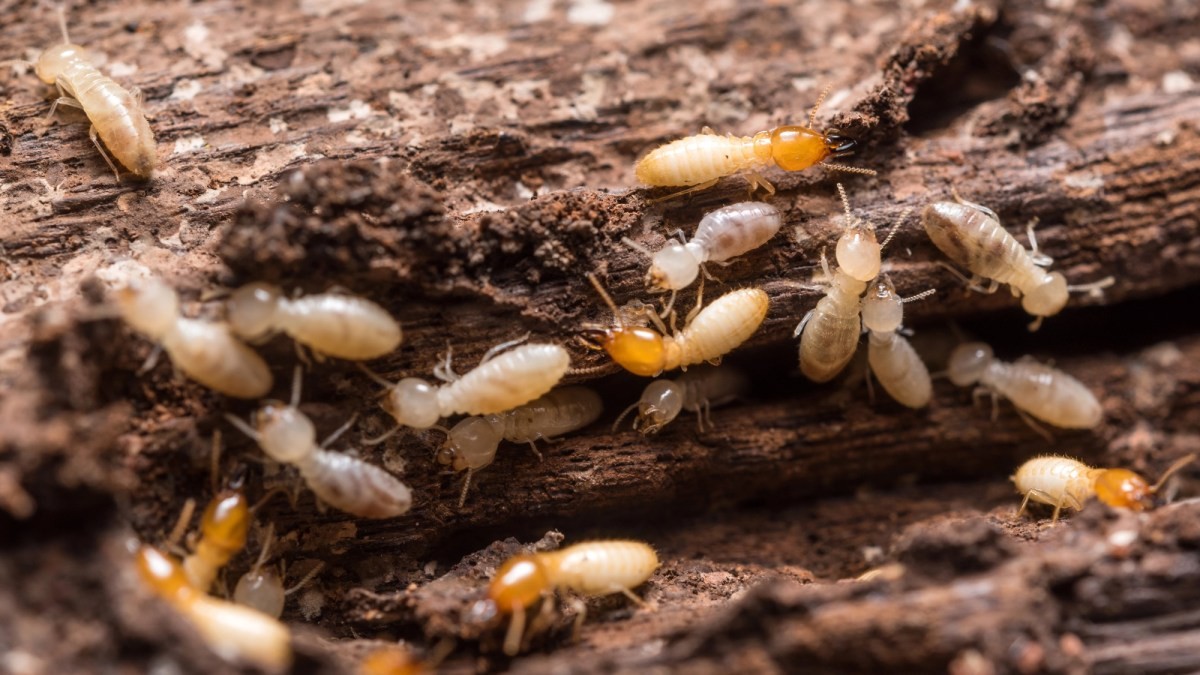
Termite populations in Florida are spreading more rapidly than previously estimated, according to a new study by entomologists at the University of Florida (UF). The invasive Formosan and Asian subterranean termites (Coptotermes formosanus and Coptotermes gestroi ) are expanding their range of destruction, with the latter species proving particularly resilient. This trend is linked to warming temperatures caused by climate change, which allows the insects to colonize previously uninhabitable regions.
Accelerated Spread and Economic Impact
These termites have been a problem in southern states for decades, but the latest research, based on over 30 years of monitoring data, shows they are progressing faster than initial predictions. Formosan termites, introduced to the U.S. mid-century, now infest at least 11 states. The Asian subterranean termite, identified in Florida in 1996, is rapidly closing the gap, and in some areas surpassing expectations.
The economic toll is significant: termites cause an estimated $1–7 billion in structural damages annually in the United States. The cryptic nature of these pests makes tracking difficult, as they spend most of their lives hidden within colonies, only emerging to swarm for mating and migration during spring and summer. Detection often occurs after substantial damage has already been done.
Projections for the Future
The UF study, published in the Journal of Economic Entomology, confirms that Formosan termites are now well-established across most of Florida’s coast and major urban centers. Projections indicate they will be present statewide by 2050.
Asian termites are spreading even more aggressively. Previously thought to be limited to South Florida due to climate preferences, they have now been found as far north as Brevard and Hillsborough counties. Researchers predict these termites will inhabit all 24 southernmost counties by 2040. This expansion has severe implications for property owners and infrastructure.
Efforts to Combat and Track the Invasion
Despite the grim forecast, some projections remain accurate. A 2016 analysis estimating that half of structures in South Florida will be at risk by 2040 still holds true, aiding urban planners in anticipating damage. Researchers encourage broader participation in open-source termite distribution mapping and integration with the North American Termite Survey to improve data collection. Increased collaboration with pest control companies is also helping to refine understanding of where and when new infestations occur.
The increasing spread of invasive termites highlights the growing need for proactive monitoring, improved detection methods, and long-term mitigation strategies. This is not just a Florida issue; it’s a continental challenge that requires coordinated action.
The North American Termite Survey and the Environmental Protection Agency offer resources for identifying, managing, and documenting these pests. The situation demands vigilance and continued research to prevent further economic and structural damage.