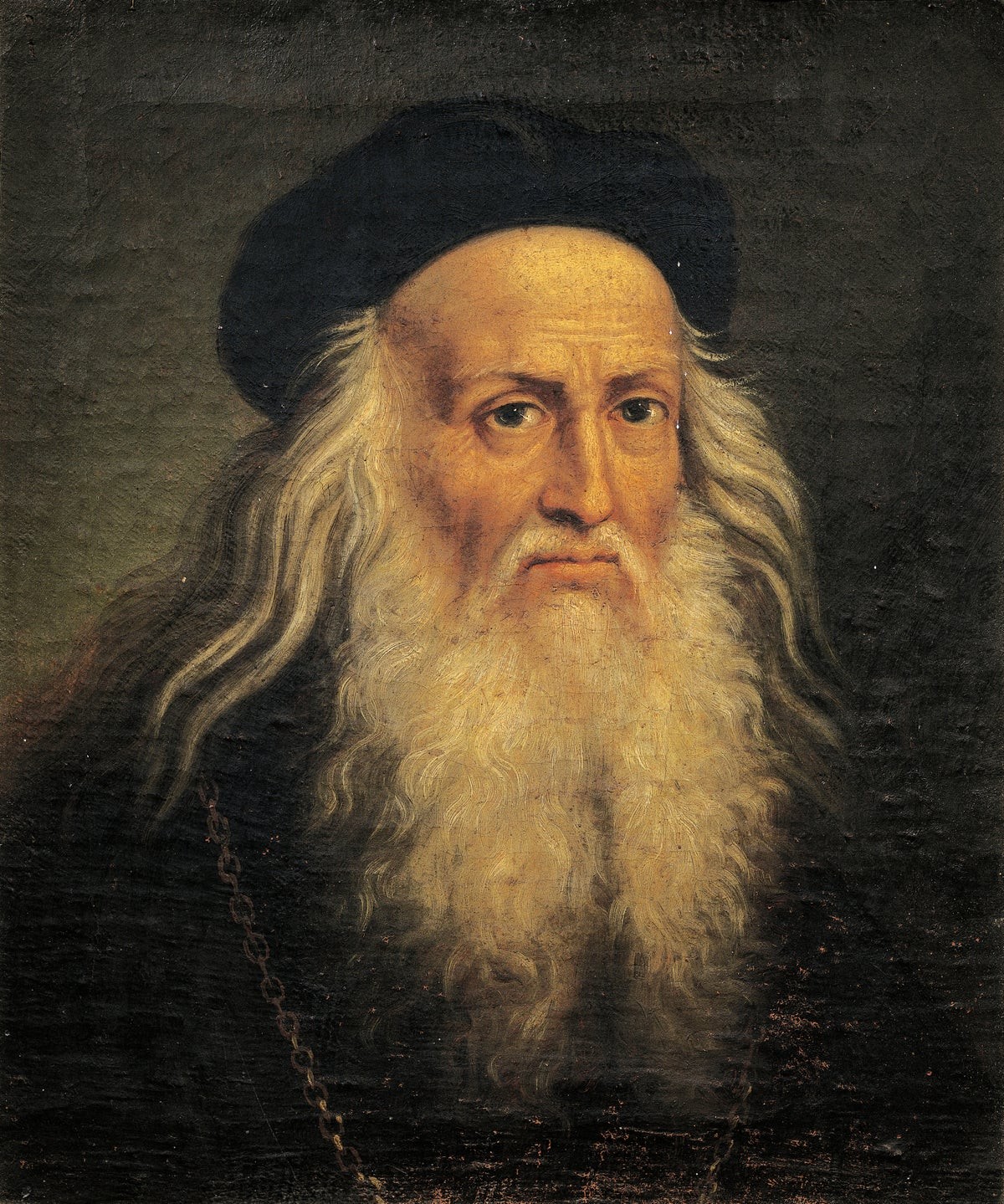
Scientists pursuing the genetic signature of Renaissance master Leonardo da Vinci believe they’ve made a significant, though not definitive, breakthrough. Researchers at the Leonardo da Vinci DNA Project have identified male DNA in samples taken from works attributed to him, including the chalk drawing Holy Child and other artifacts. The findings, posted on the preprint server bioRxiv, suggest a possible Tuscan lineage for the DNA – a tantalizing clue, but far from conclusive.
The Challenge of Ancient DNA
Recovering da Vinci’s genome is an extraordinary challenge. His remains were lost during the French Revolution, and he left no confirmed direct descendants. This makes traditional genealogical methods impossible. Instead, researchers are relying on trace DNA found on his artwork and associated objects. The approach is akin to forensic science: finding matching genetic material across multiple sources to build a case.
How the Research Works
The team analyzed samples for environmental markers (like plant traces) consistent with da Vinci’s known movements and lifestyle. They then identified male DNA with potential Tuscan origins. While the technical work is considered “spectacular” and “robust” by outside experts, the study is still in its preliminary stages, awaiting peer review. The key issue remains: proving the DNA actually belongs to da Vinci and not someone else who handled his works.
Why This Matters
The quest for da Vinci’s DNA isn’t just about curiosity. It pushes the boundaries of ancient DNA research, demonstrating that genetic traces can be extracted from historical artifacts. This opens new avenues for studying the past, even when traditional methods fail. Moreover, the effort highlights the complex interplay between art, science, and history. The very objects da Vinci created now hold biological clues about his life.
The Caveats
The study faces significant limitations. Da Vinci’s artwork has been touched by countless people over centuries, contaminating the samples with modern DNA. Determining the age of the DNA is also difficult, meaning the traces could belong to anyone who interacted with the art after da Vinci’s death. Even if the Tuscan lineage holds true, dozens or hundreds of people from the region could have left similar traces.
Looking Ahead
Researchers acknowledge the current findings aren’t definitive. Further validation will require either discovering verified da Vinci remains or identifying living descendants with matching DNA. In the meantime, the project serves as a model for future investigations: every historical object carries a genetic fingerprint, waiting to be deciphered. The true value may lie not just in identifying da Vinci’s genome, but in reconstructing the network of people connected to his life and work through the traces they left behind.
The hunt continues, driven by the allure of unlocking a biological secret from the past.