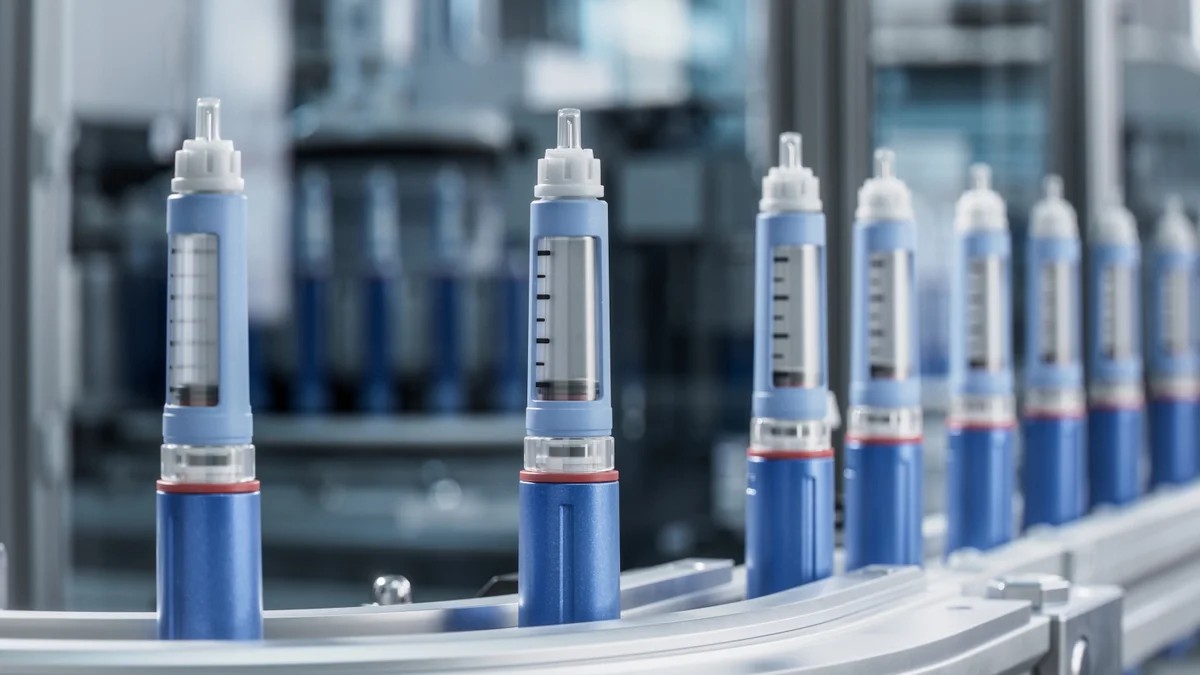
The latest generation of weight-loss drugs is poised to surpass the effectiveness of existing medications like Wegovy and Zepbound, offering potentially dramatic results for individuals struggling with obesity and related health issues. These new compounds aren’t simply incremental improvements; they’re fundamentally different, targeting multiple pathways in the brain that regulate appetite and metabolism.
The Evolution of GLP-1 Drugs
The first wave of these medications, including semaglutide (Wegovy), focused on activating the glucagon-like peptide 1 (GLP-1) receptor. This hormone naturally signals fullness after eating, reducing appetite and promoting insulin secretion. While effective, many users eventually experience weight-loss plateaus, with some seeing no benefits at all. This limitation has spurred pharmaceutical companies to develop drugs that target more than one pathway.
Eli Lilly’s Zepbound (tirzepatide) already represents a step forward by activating both GLP-1 and gastric inhibitory polypeptide (GIP) receptors, leading to roughly six percent greater weight loss compared to semaglutide in clinical trials. But the next leap is even more ambitious: triple-agonist drugs.
The Rise of Triple Agonists
Eli Lilly’s retatrutide is currently in late-stage trials and activates GLP-1, GIP, and glucagon receptors. While the latter might seem counterintuitive for metabolic disorders, it can actually boost insulin secretion and drive down weight. Preliminary results are staggering: participants lost nearly 30 percent of their body weight in 68 weeks. This contrasts sharply with the 14 percent weight loss observed in semaglutide trials.
Novo Nordisk is also pursuing combination therapies, applying for FDA approval of CagriSema, which pairs semaglutide with cagrilintide, a peptide that targets amylin receptors. The goal is to enhance satiety while potentially mitigating the common gastrointestinal side effects of GLP-1 drugs. Trials show participants lost 23 percent of their body weight in 68 weeks.
Risks and Considerations
The pharmaceutical industry stands to profit immensely from these innovations, with Eli Lilly recently reaching a $1-trillion stock valuation partly due to retatrutide’s promising results. However, experts caution that such drastic weight loss isn’t without risks. Rapid weight reduction can lead to gallstones, muscle loss, and in some cases, dangerous underweight conditions. Older adults are particularly vulnerable to side effects like low blood pressure and dizziness.
Despite the potential downsides, many patients who have plateaued on existing drugs are eager for the next generation of treatments. For individuals like Terra Field, who has lost over 100 pounds with these medications, the prospect of even greater efficacy is appealing. Field, while embracing the benefits, also emphasizes the importance of body positivity and informed decision-making in a society still grappling with weight stigma.
Ultimately, these drugs represent a significant advancement in obesity treatment, but their use must be carefully monitored and tailored to individual needs to maximize benefits while minimizing harm.