NASA astronaut Christina Koch has achieved a historic milestone, becoming the first woman to travel around the moon. Her journey with the Artemis II mission is not just a technical feat for space exploration, but a profound moment of reflection on the nature of our home planet.
A Trailblazer in Space Exploration
Koch is no stranger to breaking barriers in the aerospace industry. Her recent lunar flyby adds to a distinguished career marked by several “firsts”:
– The first woman to orbit the moon.
– The record holder for the longest single spaceflight by a woman.
– A participant in the first-ever all-female spacewalk.
These achievements signal a significant shift in space exploration, moving toward a more diverse representation of humanity in the most extreme environments known to man.
The “Overview Effect” and Human Unity
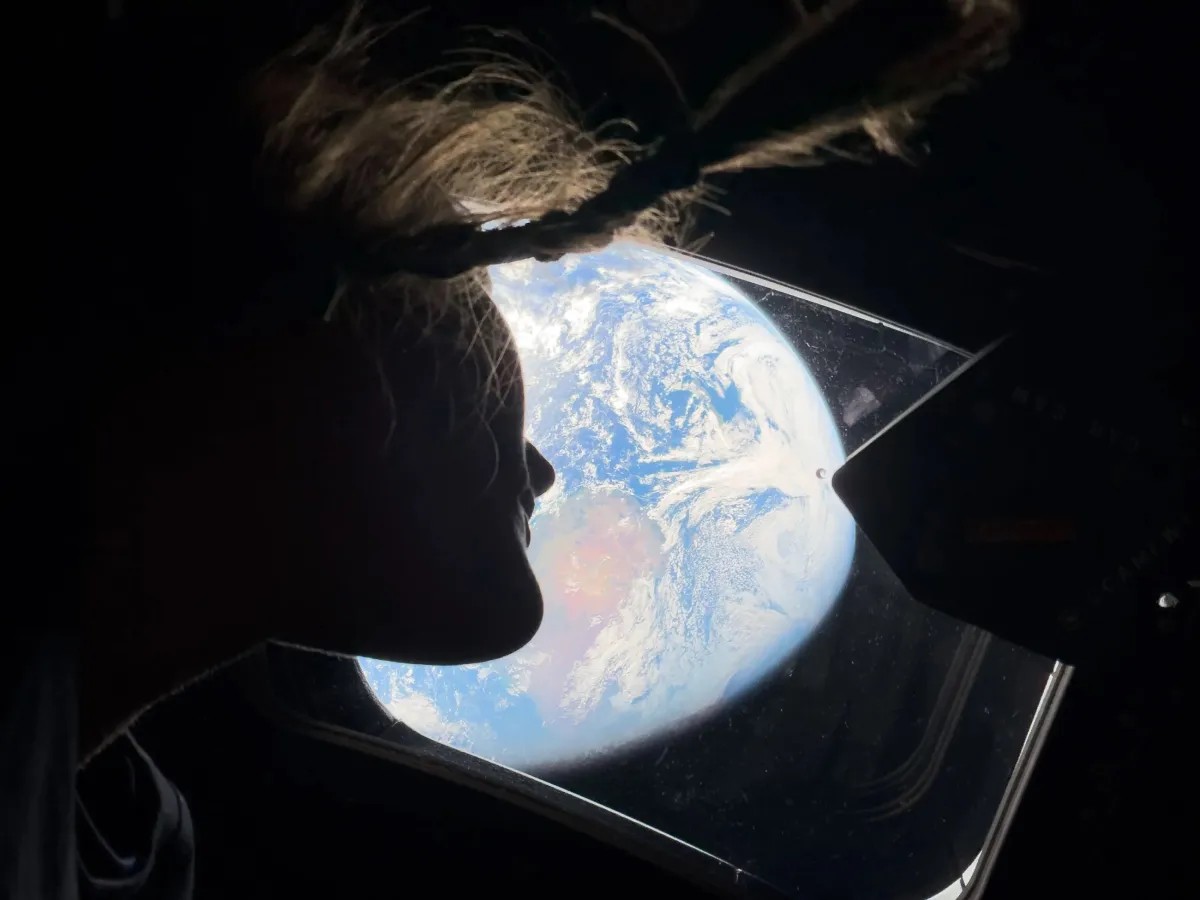
While the mission was a triumph of engineering, Koch’s personal takeaway was deeply philosophical. In reflections shared via NASA, she described the overwhelming sensation of seeing Earth from the lunar vantage point—a phenomenon often referred to by astronauts as the “Overview Effect.”
“The thing that changed for me, looking back at Earth, was that I found myself noticing not only the beauty of Earth, but how much blackness there was around it and how it just made it even more special.”
For Koch, the vast, empty void of space served as a backdrop that highlighted two critical truths:
1. The Fragility of Life: The isolation of Earth within the “blackness” emphasizes how precious and vulnerable our environment is.
2. Universal Connection: Seeing the planet as a single, unified entity reinforced the idea that despite our differences, all humans share the same biological roots and universal experiences of life and love.
Why This Perspective Matters
This shift in perspective is more than just poetic; it is a vital component of modern space science. As humanity prepares for long-term lunar habitation and eventual Mars missions, the psychological impact of seeing Earth as a “small dot” becomes a central study. Understanding how astronauts process the isolation and the sudden realization of Earth’s singularity is crucial for designing future missions and for how we view our responsibility to protect our home planet.
Looking Ahead
The Artemis II crew is scheduled to complete their mission and return to Earth on April 10. Their journey marks a pivotal step in NASA’s Artemis program, transitioning from orbital testing to the deeper exploration of the lunar environment.
Conclusion
Christina Koch’s mission serves as a powerful reminder that space exploration is as much about understanding ourselves as it is about exploring the cosmos. Her experience highlights the profound interconnectedness of