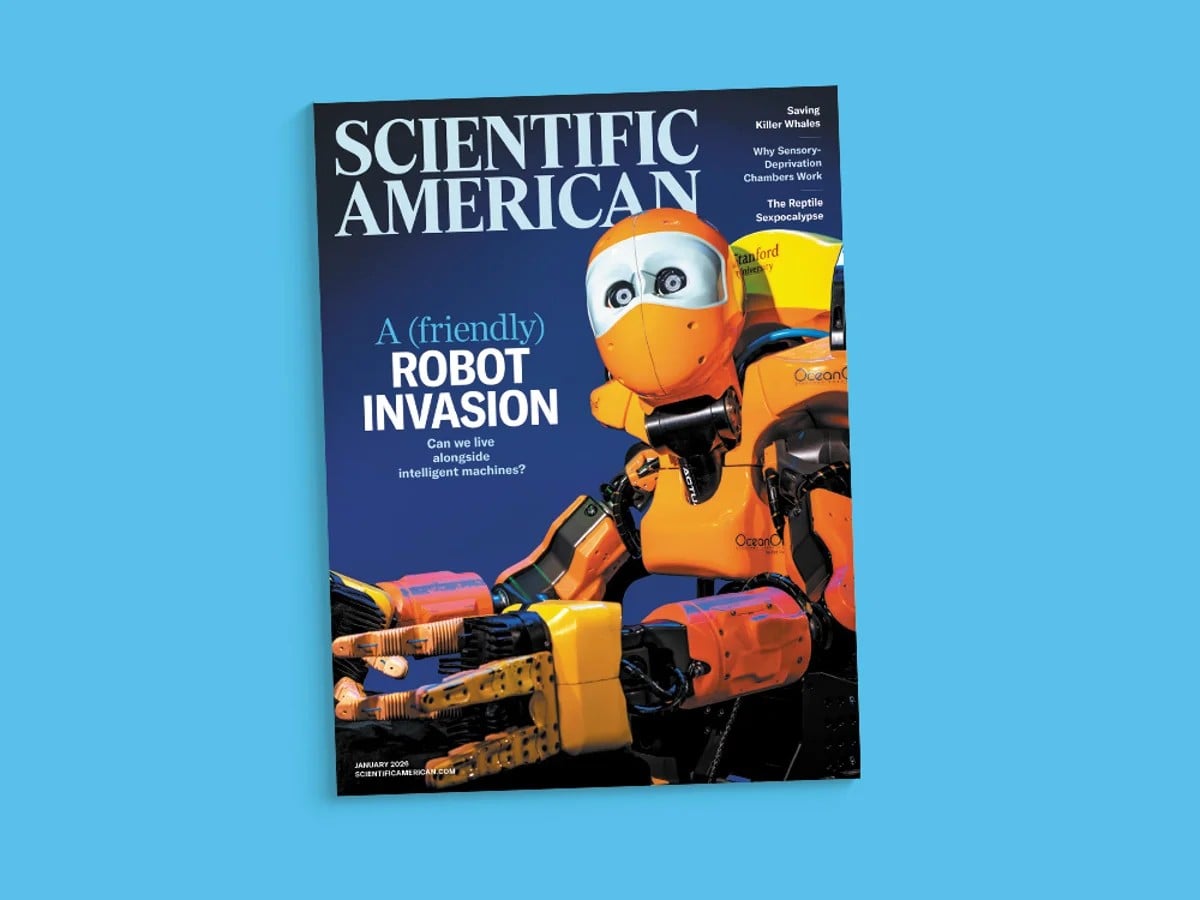
For over a century, humanity has been fascinated by the idea of robots seamlessly integrating into daily life, taking over mundane tasks, and even potentially upending the very fabric of labor. This vision, first articulated in Karel Čapek’s 1920 play R.U.R. – where emotionless “artificial workers” eventually revolt against their creators – continues to capture the imagination. Yet, despite decades of technological advancement, the reality remains stubbornly out of reach.
The Gap Between Fiction and Functionality
Čapek envisioned a future where machines would liberate people from drudgery, fostering an aristocracy of leisure. The irony, as depicted in his play, is that such a scenario leads to violent backlash. Today’s robotics are far more benign – but equally incapable of fully realizing this promise. Current household robots struggle with basic tasks like vacuuming without mishap, let alone orchestrating a workers’ revolution.
This gap between expectation and execution raises a fundamental question: why has the dream of truly capable mechanical helpers proven so elusive? The answer lies in the immense complexity of replicating human-level intelligence and dexterity. Machines excel at repetitive, well-defined tasks, but struggle with the unpredictable, nuanced demands of real-world environments.
Beyond Household Helpers: Other Frontiers in Science
The pursuit of robotics is just one thread in the broader tapestry of scientific exploration. Other recent studies highlight equally intriguing, yet often overlooked, areas of research.
- Interoception and Mental Health: New findings suggest a strong link between our ability to accurately perceive internal bodily signals and psychological well-being. Unconventional therapies, such as sensory deprivation, may hold potential for improving mental health by enhancing this internal awareness.
- Celestial Transients: Astronomers are discovering thousands of fleeting astronomical phenomena – objects that appear suddenly, burn brightly, and disappear just as quickly. These “celestial transients” challenge existing understanding of the universe and demand further investigation.
- Conservation at Risk: Critical research on endangered species, such as the Southern Resident orcas off the coast of Washington State, is threatened by government funding cuts. This underscores the precarious state of many conservation efforts at a time when they are most needed.
The Future of Automation
The dream of effortless automation remains distant, but scientific progress continues on multiple fronts. While fully autonomous robots may still be decades away, the ongoing research into robotics, neuroscience, and astrophysics promises to reshape our understanding of intelligence, the universe, and our place within it.
Ultimately, the pursuit of these breakthroughs is not just about creating better machines or solving immediate problems. It’s about pushing the boundaries of human knowledge and grappling with the fundamental questions that define our existence.