Summer is coming. AC season is back. So are the energy bills. 🌡️
Everyone wants to save cash. You see tips everywhere. Change your bulbs. Get a heat pump. Most advice is solid. Some of it? Pure nonsense. Some tips actually waste power. We checked the science. Here is what works, and what doesn’t.
Closing Vents Costs More Money
Let’s say you have a guest room. Or a basement you rarely visit. It feels smart to shut the vents there. Why pay to cool air into an empty box? The intuition is seductive. Don’t throw money into the void.
It backfires.
A 2003 Lawrence Berkeley National Laboratory study put this to the test. They found closing vents increases energy usage. The house isn’t sealed. Ducts leak.
When you close a vent, the system fights back. Pressure builds. Air doesn’t vanish; it escapes through cracks in your attic, crawlspace, or walls. You are conditioning the outdoors for free. As the researchers noted, thermal savings from unconditioned spaces were offset by “increased duct system losses.” Mostly due to leaks.
You might close vents for comfort. Sure. But do not expect it to lower the bill. It likely raises it.
Fans Are for Humans, Not Walls
Hot day. You leave the ceiling fan spinning as you leave for work. You feel good about saving AC runtime.
Wrong.
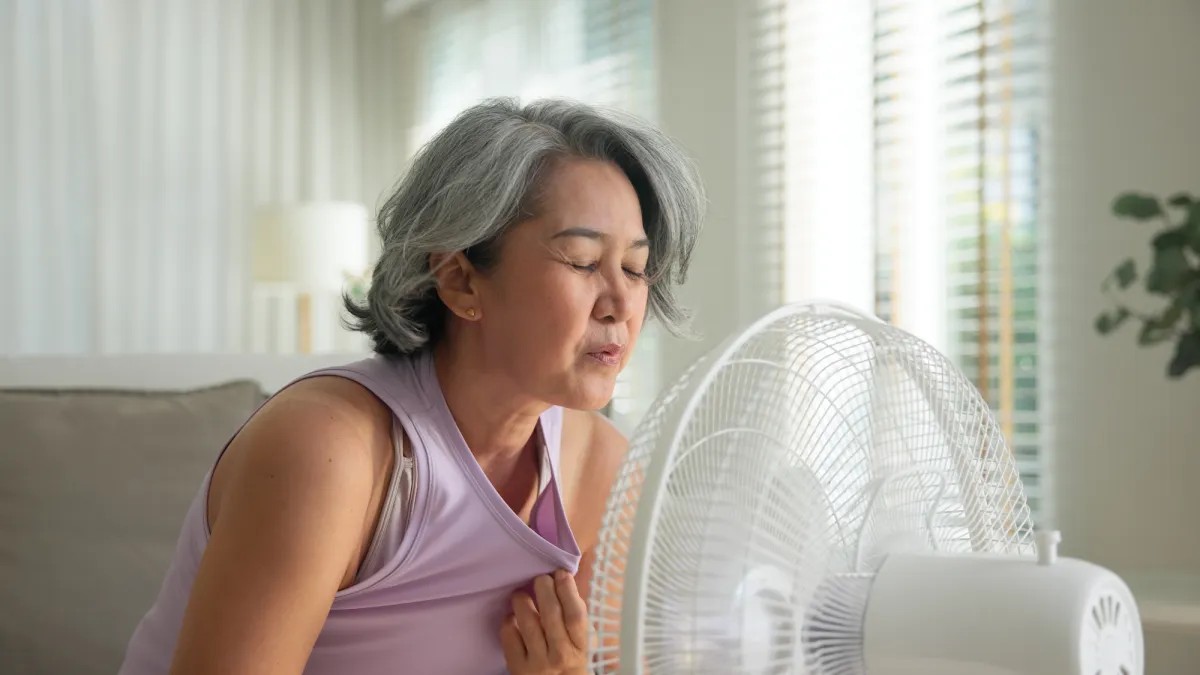
Fans don’t cool air. They cool skin. Try this: put a thermometer on the desk. Turn the fan on high. Watch the temperature. It won’t budge. You’ll feel colder though. That is wind chill. Moving air accelerates heat transfer off your body. It creates the sensation of cooling. It does not lower the room temp.
So an empty fan is a useless fan. It spins blades in hot air for nothing.
Turning on a ceiling fan allows you to raise the thermostat by 4 degrees without losing comfort. (US Department of Energy)
A 2013 UC Berkeley study suggests you could push that to 6 degrees. Big savings if you use it right. Right means turning it on when you are there. Off when you’re not. Simple math.
Cranking the Thermostat Does Nothing
We have all done it. We want the house cold now. So we set the dial to 50. Surely, if we demand 50 degrees, it will chill faster than setting it to 70?
No. HVAC systems have no gas pedal. They have an on-off switch (usually).
Trane, a major HVAC manufacturer, says it plainly: “Setting it higher won’t make your your home heat up any faster.” BC Hydro agrees. The system runs at one speed until it hits the set point. Cranking it up just makes the AC run longer. It overshoots. It wastes juice. Then you wait for it to reverse and cool back down to 70 anyway.
Just set the target. Wait. Impatience doesn’t speed up thermodynamics.
Your LEDs Are Fine
Remember the CFL tubes in offices? The fluorescent spirals? People used to say: never flicker them. The surge of power wearing them out. If you’re in and out for two minutes? Leave them on. The DOE said keep them lit unless you’re gone 15 minutes.
That was the 2000 logic. We live in 2024 now.
Most lighting is LED. The physics is different. The DOE confirms that “the operating life of a LED [is] unaffected by turning it on off.” There is no startup surge damage.
Turn it off when you leave. The bathroom. The hall. Every time. It costs nothing in wear. It saves every penny of electricity used while the room is empty.
The hardest part is not knowing. It’s believing the old hacks. Vents stay open. Fans die with the person. Thermostats ignore your panic. Lights go out.
Which of these did you used to believe? 👇