


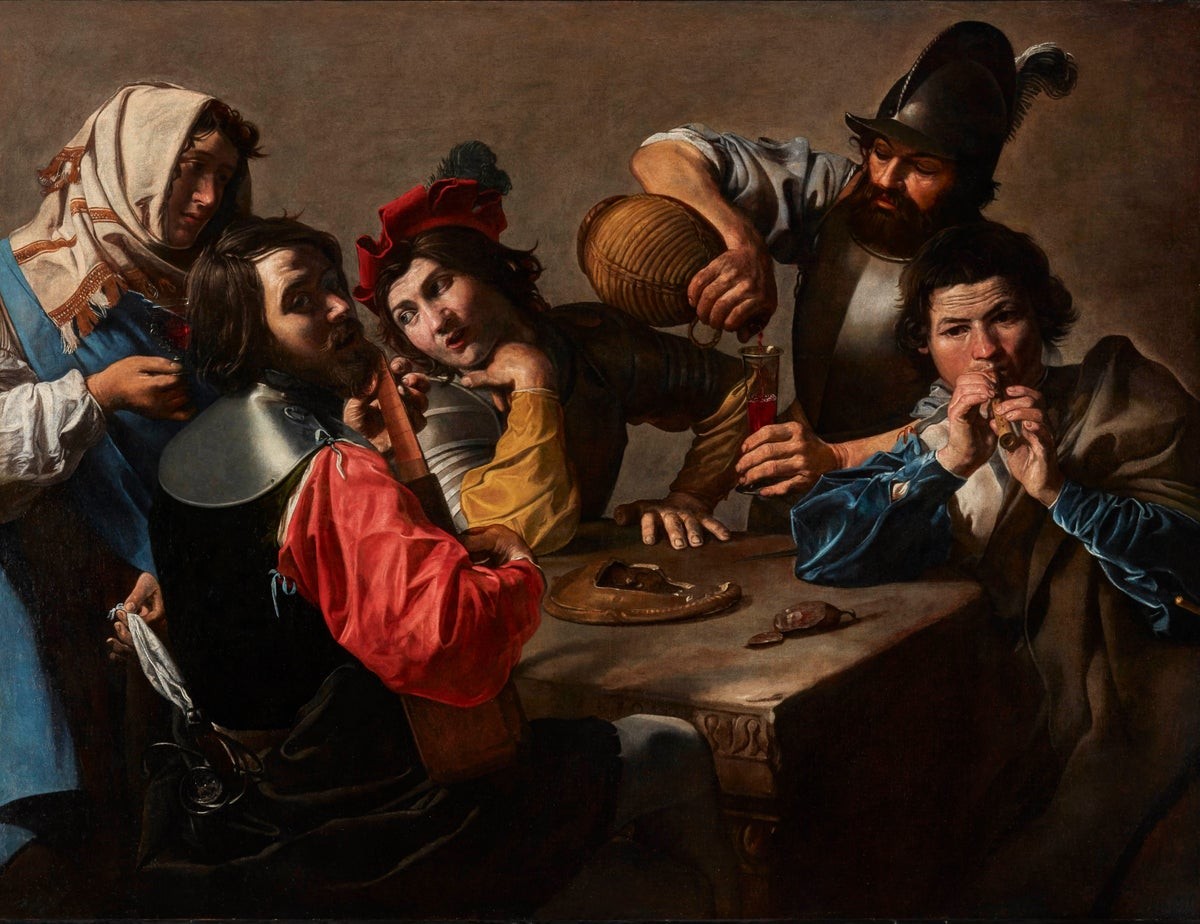
For millennia, wine has been intertwined with human civilization – depicted in ancient art, celebrated in literature, and even entombed with pharaohs. Despite its deep history, pinpointing the origins of modern winemaking has remained elusive. Now, a new study published in Nature Communications reveals that humans have been cultivating specific grape varieties, including the beloved Pinot Noir, through cloning for at least 600 years.
The Grape Genome Project
Researchers analyzed the DNA of nearly 50 ancient grape seeds, recovered from archaeological sites across France, dating back to 2300 B.C.E. through 1500 C.E. This span – from the Bronze Age to the late Middle Ages – provides an unprecedented glimpse into the evolution of viticulture. The findings show a pivotal shift occurred around 500 B.C.E., when winemakers began propagating grapes through cloning instead of relying solely on wild domestication.
This means they started taking cuttings from existing vines to grow new ones, effectively creating genetic copies. While this practice wasn’t entirely unexpected, the study confirms its widespread use centuries earlier than previously thought.
Pinot Noir: A Medieval Favorite
What’s particularly striking is the discovery of a grape sample from the 15th century – the era of Joan of Arc – that is genetically identical to modern Pinot Noir. This suggests that this specific variety was already highly valued and unchanged for centuries. As Ludovic Orlando, the study’s senior author, explains, “They kept it as it was, propagated as a clone—as a photocopy—for centuries, literally.”
This isn’t just about genetics; it speaks to enduring human preference. Pinot Noir wasn’t just popular in medieval France; its appeal has remained remarkably consistent for hundreds of years.
Beyond DNA: Flavor and Culture
While the study identifies the genetic lineage of Pinot Noir, it doesn’t reveal whether the wine tasted the same in the 15th century as it does today. Wine flavor is complex, influenced by fermentation, terroir, and additives. However, DNA can provide clues about grape characteristics like sugar content and size.
Ultimately, the study underscores wine’s dual nature: a biological product shaped by genetics, and a cultural artifact reflecting human taste and tradition.
The history of wine, as Pliny the Elder noted long ago, is also a history of ourselves. Our preferences reveal something about our cultures, and the fact that Pinot Noir has remained virtually unchanged for centuries is a testament to its enduring appeal.


